
When it comes to the performance and longevity of a tractor's engine, one crucial component that often goes unnoticed is the piston ring. Tractor piston rings play a vital role in ensuring the efficient operation of an engine. In this blog, we will delve into what piston rings are, their functions, types, and maintenance tips to help you keep your tractor running smoothly.
1. What Are Tractor Piston Rings?
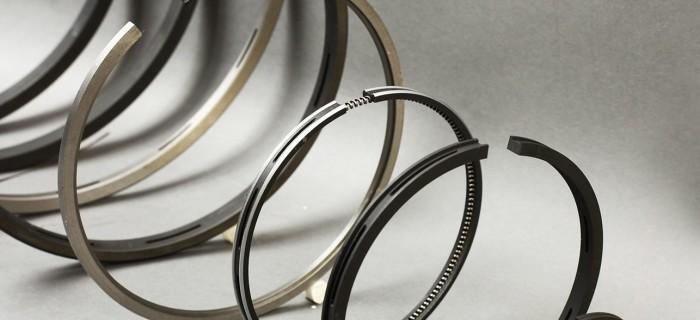
Farm Vehicle piston rings are circular metal bands that fit into grooves around the piston. These rings serve multiple essential functions that contribute to the overall performance of the engine. They create a seal between the piston and the cylinder wall, preventing the escape of combustion gases and maintaining pressure within the cylinder.
2. Functions of Tractor Piston Rings
Understanding the functions of piston rings is crucial for recognizing their importance in engine performance:
-
Sealing: The primary function of piston rings is to seal the combustion chamber, preventing gases from leaking into the crankcase. This seal helps maintain the engine’s power and efficiency.
-
Oil Control: Piston rings also control the amount of oil that reaches the combustion chamber. This prevents excessive oil consumption and minimizes emissions.
-
Heat Transfer: These rings help dissipate heat from the piston to the cylinder wall, which is essential for maintaining optimal engine temperature.
-
Support: Piston rings provide structural support to the piston, ensuring that it remains stable during its movement within the cylinder.
3. Types of Tractor Piston Rings
Tractor piston rings come in various types, each designed for specific functions:
-
Compression Rings: These rings are located at the top of the piston and are primarily responsible for sealing the combustion chamber. They prevent gas leakage and help maintain compression.
-
Oil Control Rings: Positioned below the compression rings, oil control rings regulate oil consumption by scraping excess oil from the cylinder walls back into the crankcase.
-
Two-Piece Rings: Some tractors use two-piece rings, which consist of a top and a bottom section. These are designed to improve sealing and reduce wear.
4. Signs of Worn Piston Rings
Identifying issues with farm vehicle piston rings early can save you from costly repairs. Here are some common signs of wear:
-
Increased Oil Consumption: If your tractor is using more oil than usual, it could indicate worn piston rings allowing oil to enter the combustion chamber.
-
Loss of Power: A noticeable decrease in engine power can signal problems with the piston rings and loss of compression.
-
Excessive Smoke: Blue or gray smoke from the exhaust may indicate that oil is burning due to poor sealing.
-
Rough Idling: If the engine is idling roughly, it could be a sign of worn rings affecting compression.
5. Maintenance Tips for Piston Rings
Proper maintenance can prolong the life of your tractor's piston rings and ensure optimal performance. Here are some tips to keep in mind:
-
Regular Oil Changes: Change your engine oil regularly to prevent sludge buildup, which can wear down piston rings over time.
-
Use Quality Fuel: Opt for high-quality fuel to minimize deposits that can lead to ring wear.
-
Monitor Engine Temperature: Overheating can damage piston rings. Regularly check the engine temperature and coolant levels.
-
Inspect Regularly: Schedule regular inspections of your tractor’s engine components, including the piston rings, to catch any issues early.
6. Replacing Tractor Piston Rings
If you find that your tractor's piston rings are worn out, replacing them is essential for restoring performance. Here’s a brief overview of the replacement process:
-
Disassemble the Engine: To access the piston rings, you’ll need to disassemble parts of the engine, including the cylinder head.
-
Remove the Old Rings: Carefully remove the old piston rings from the piston grooves.
-
Install New Rings: Install the new piston rings, ensuring they fit snugly in their grooves and are correctly oriented.
-
Reassemble the Engine: Once the new rings are in place, reassemble the engine components and perform necessary checks.
7. Conclusion
Tractor piston rings may be small components, but their role in engine performance is significant. Understanding their functions, types, and maintenance can help you ensure the longevity of your tractor's engine. Regular checks and timely replacements will keep your tractor running efficiently, helping you get the most out of your investment. With proper care, you can ensure your tractor remains a reliable workhorse for years to come