
Have you ever wondered what sets a Thai and Swedish massage service apart, even though both are popular spa treatments? The differences go beyond the names and become clearer when you look at what happens during a session.
From standard techniques and benefits to how you participate in the treatment, each style takes a distinct approach. A closer look at their key differences reveals what makes each experience unique and what you want to consider before booking your next massage.
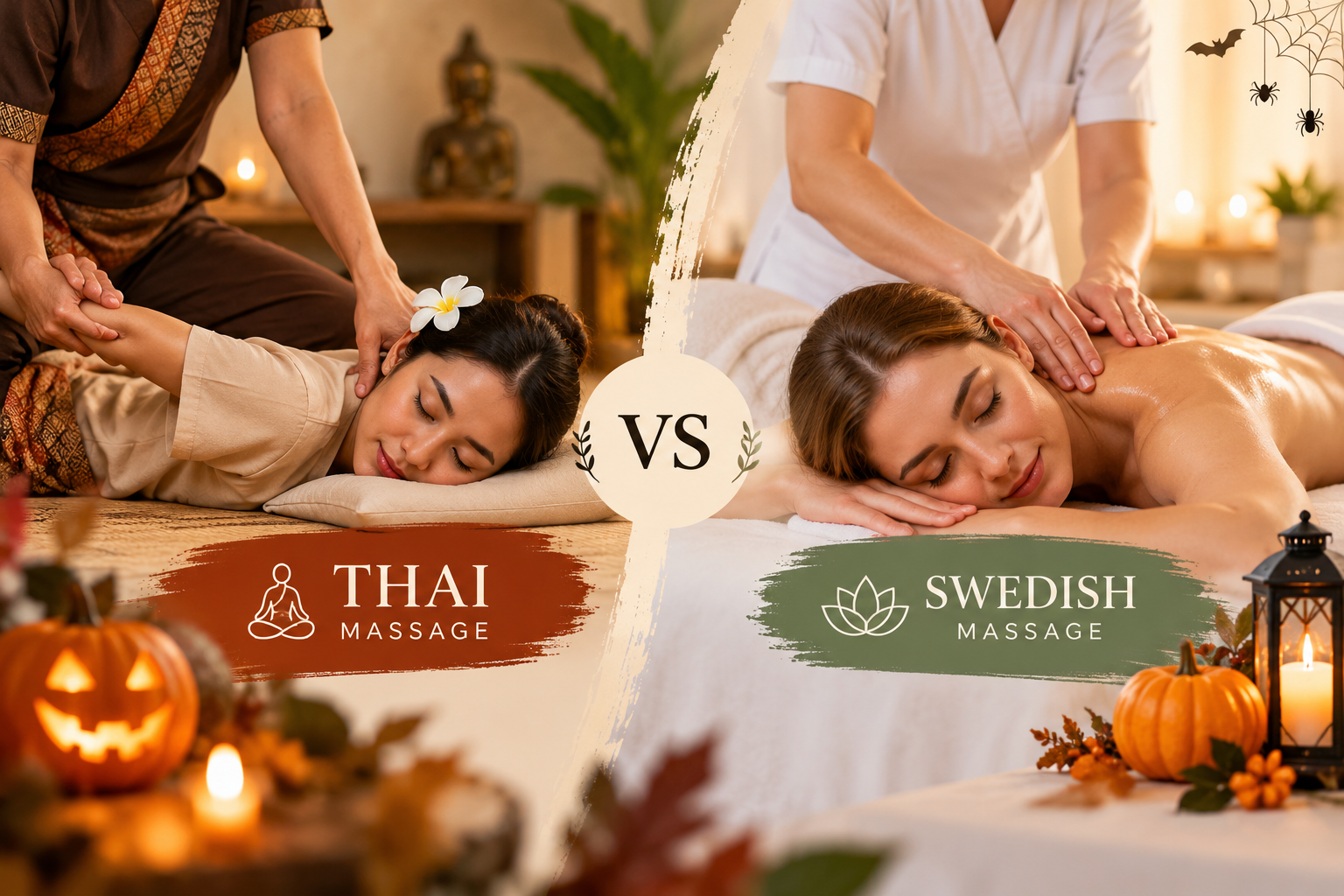
How Thai and Swedish Massage Services Differ in Overall Experience
Technique and Setup
Traditional Thai massage typically takes place on a floor mat, with you wearing comfortable clothing that allows movement. The therapist uses hands, elbows, knees, or feet to apply rhythmic pressure and guide stretches. Swedish massage generally takes place on a massage table, with oil or lotion helping the therapist to perform smooth strokes over the skin. These different setups shape how each treatment feels and unfolds.
Primary Focus and Treatment Approach
Thai massage combines compression, acupressure, and assisted movements to create an active bodywork experience. The therapist may guide your limbs through different positions while applying pressure to selected areas. Swedish massage uses techniques such as gliding, kneading, and circular movements to work with soft tissues. Its flowing approach lets you remain mostly still throughout the session, making the treatment styles distinct in both method and experience.
Your Engagement Level
Thai massage involves more active participation, as the therapist guides your body through assisted stretches and different positions. You may need to adjust your posture or follow gentle movement instructions throughout the session. Swedish massage, by contrast, generally involves less movement on your part, allowing you to relax on the massage table while the therapist uses flowing strokes and kneading techniques. With both Thai and Swedish massage services, you can communicate your comfort level and pressure preferences at any time.
Post-Treatment Energy Outcomes
You may notice differences in how you feel after each treatment. Swedish massage often leaves you feeling calm, relaxed, and ready to rest, while some people feel sleepy afterward. Traditional Thai massage combines rhythmic pressure with assisted stretching, which may leave you feeling more mobile, refreshed, or energized. Your response can vary depending on your physical condition, the techniques used, and how your body responds to the session.
Which One Should You Choose?
Consider the experience you enjoy most when deciding between these treatments. If you prefer flowing strokes, oil-based techniques, and a table-based session, Swedish massage may suit your preferences. If you enjoy guided stretching, rhythmic pressure, and assisted movement, Thai massage may appeal to you. Think about your comfort, mobility, and preferred pressure, and share any relevant limitations with your therapist before the session.
Knowing how Thai and Swedish massage services differ can help you decide which one suits you better. If you are unsure which treatment suits you or want to experience both in Farmers Branch, contact Allwetchai THAI MASSAGE & SPA. Their skilled therapists provide professional and authentic services in a welcoming setting. Visit allwetchai.com for more details.