
Solar charge controllers play a crucial role in the efficient and safe operation of solar power systems. However, there are various myths and misconceptions surrounding these devices that can lead to confusion among solar enthusiasts and system owners. In this article, we will debunk common myths and present the facts behind solar charge controllers to help you better understand their importance and functionality.
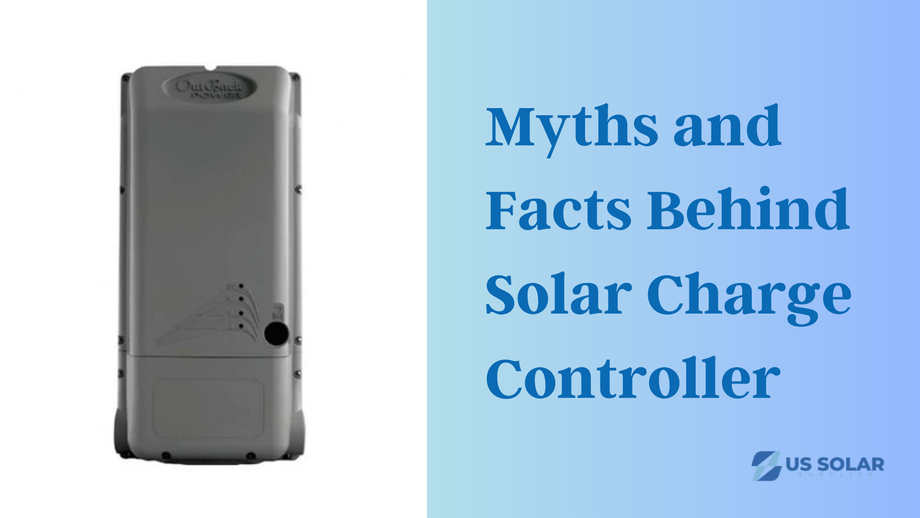
Myth: Solar Charge Controllers Are Optional
Fact: Solar charge controllers are an essential component of any solar power system, especially those utilizing battery storage. Their primary function is to regulate the charging and discharging of batteries, preventing overcharging and over-discharging. Without a charge controller, batteries can be damaged, leading to reduced performance, shortened lifespan, and potential safety hazards. Therefore, installing a solar charge controller is not optional but a critical requirement for the proper functioning and longevity of your solar system.
Myth: Charge Controllers Only Serve to Prevent Overcharging
Fact: While preventing overcharging is one of the key functions of a solar charge controller, it is not their sole purpose. Charge controllers also protect batteries from over-discharging, which can cause irreversible damage. They monitor battery voltage levels and automatically disconnect the battery from the solar panels when it reaches a predetermined low voltage threshold. By regulating the charging and discharging processes, solar charge controllers ensure the optimal health and performance of the battery bank.
Myth: All Solar Charge Controllers Are the Same
Fact: Solar charge controllers come in different types and have varying features to accommodate different system sizes, battery chemistries, and environmental conditions. The two main types are PWM (Pulse Width Modulation) and MPPT (Maximum Power Point Tracking) charge controllers. PWM controllers are suitable for smaller systems, while MPPT controllers are more efficient for larger installations, especially in areas with low temperatures or shading. It is essential to select the right type and size of charge controller based on the specific requirements of your solar system.
Myth: Charge Controllers Waste Energy
Fact: Some people believe that solar charge controllers waste energy during the charging process. However, this is not entirely accurate. While it is true that charge controllers consume a small amount of energy for their operation, the benefits they provide far outweigh the minimal losses. Charge controllers ensure that the solar panels operate at their maximum power point, optimizing the energy harvested from the sun. Additionally, by preventing overcharging and over-discharging, charge controllers extend the lifespan of the batteries, saving energy in the long run.
Myth: Solar Charge Controllers Do Not Require Maintenance
Fact: Solar charge controllers, like any other electronic device, require regular maintenance to ensure optimal performance and longevity. Periodic inspections should be conducted to check for loose connections, clean any accumulated dust or debris, and ensure proper ventilation around the charge controller. Additionally, some charge controllers may have firmware or software updates available, which should be installed to benefit from the latest enhancements and bug fixes. Proper maintenance will help maximize the efficiency and lifespan of your charge controller.
Conclusion
Solar charge controllers are indispensable components of solar power systems, serving crucial functions such as preventing overcharging and over-discharging batteries. Debunking common myths surrounding charge controllers is essential for understanding their significance and ensuring the reliable and efficient operation of your solar system. Remember that charge controllers are not optional, but rather vital for battery health and system longevity. By selecting the appropriate type, maintaining the controller, and dispelling misconceptions, you can optimize the performance of your solar power system and enjoy its long-term benefits.