
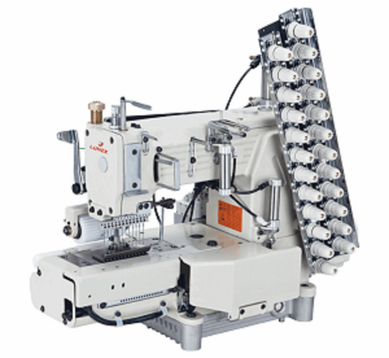
Garment manufacturing involves several sewing operations, and each operation has its own requirements. A machine used for joining fabric panels may not be suitable for decorative stitching, hemming, reinforcement, or handling multiple layers of material. Selecting equipment according to the actual production process is therefore important for maintaining stitch quality, reducing production interruptions, and achieving consistent results.
For manufacturers looking for an Industrial Sewing Machine Supplier in Delhi NCR, understanding the relationship between sewing machines and garment operations can make the purchasing process much easier.
Understanding the Main Sewing Operations
The first step in selecting a machine is identifying what the garment actually requires. Basic garment assembly commonly involves joining two or more fabric panels. Industrial lockstitch machines are frequently used for these operations because they can produce clean and consistent seams on many woven fabrics.
However, fabric characteristics matter. Lightweight cotton, synthetic fabrics, denim, and heavier materials can require different needle sizes, thread combinations, presser-foot settings, and machine configurations. Using the wrong setup can result in skipped stitches, uneven seams, fabric damage, or unnecessary thread breakage.
Garment manufacturers should therefore consider the fabric being processed rather than choosing a machine only according to its maximum sewing speed.
Machines for Seam Finishing
After fabric pieces are joined, the raw edges often need finishing. Overlock machines are commonly used to trim and secure fabric edges while creating an overlocked seam. They are especially useful in apparel production where neat edges and seam flexibility are required.
For knitted garments, the machine must also accommodate the stretch characteristics of the fabric. Incorrect thread tension or unsuitable machine settings can affect the appearance and durability of the finished seam.
This is one reason production requirements should be discussed with an experienced machinery supplier before purchasing equipment.
Hemming and Specialized Garment Operations
Hemming is another operation where machine selection makes a difference. Coverstitch machines are commonly used for T-shirts, sportswear, innerwear, and other knitted garments because they can create flexible and clean-looking hems.
Some garments also require specialized machines for operations such as buttonholes, button attachment, bartacking, decorative stitching, or reinforcement. When an operation is repeated hundreds or thousands of times during production, a dedicated machine can improve consistency and reduce operator effort.
Factors to Consider Before Buying
Production volume is an important consideration, but it should not be the only one. Manufacturers should also examine:
-
Fabric type and thickness
-
Required stitch type
-
Number of layers being sewn
-
Garment construction
-
Production frequency
-
Required finishing quality
-
Operator skill requirements
-
Maintenance and spare-part availability
-
Available technical support
Modern industrial sewing equipment can also include features such as automatic thread trimming, programmable settings, electronic controls, and other productivity-focused functions. These features can be useful when they address a genuine production requirement rather than simply adding unnecessary complexity.
Choosing Equipment for Long-Term Production
A machine that performs well during a demonstration may not necessarily be the right choice for every factory. Testing the equipment with the actual fabric and garment components can provide more useful information about stitch formation, handling, speed, and finishing.
Manufacturers should also consider servicing requirements and the availability of replacement parts. Regular cleaning, lubrication where applicable, needle replacement, tension checks, and timely servicing can help maintain consistent machine performance.
Lunex Machine provides garment and textile machinery solutions for manufacturers with different production requirements.
Conclusion
Choosing a sewing machine should begin with understanding the garment manufacturing process rather than simply comparing machine specifications. Different operations require different machine types, and fabric characteristics can significantly influence the final choice.
By considering the garment design, material, production volume, stitch requirements, maintenance needs, and desired level of automation, manufacturers can create a more suitable sewing setup. This practical approach can support consistent production quality and better equipment utilization in modern garment manufacturing.