
Owning a car comes with the responsibility of keeping it in good condition, but nature often has other plans. Bird droppings and tree sap are among the most common threats to a car's paintwork. These contaminants may seem harmless at first, but they can cause serious damage if left unchecked. This is where car coating plays a crucial role. A high-quality coating creates a protective layer over your vehicle’s paint, preventing stains, etching, and long-term damage caused by these stubborn substances.
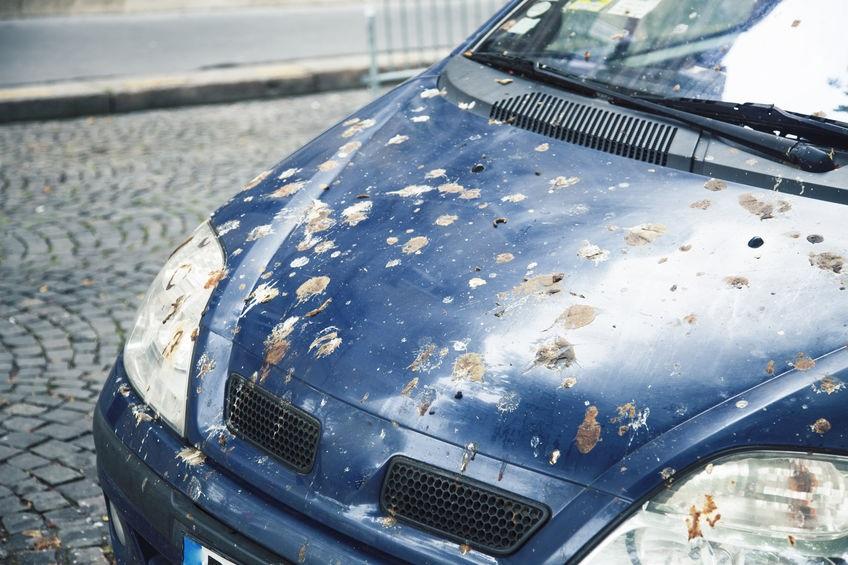
Why Bird Droppings Are Harmful to Your Car’s Paint
Bird droppings are more than just an eyesore; they are highly acidic. The pH level of bird droppings can range from 3 to 4.5, making them strong enough to eat away at a car's clear coat and even the paint itself. If left on the surface for too long, they can cause permanent stains and etching.
During hot weather, the problem worsens. The sun’s heat bakes the droppings onto the car’s surface, making them even harder to remove. The longer they sit, the more they bond with the paint, sometimes requiring professional polishing or even repainting to fix the damage.
How Car Coatings Help Against Bird Droppings
A high-quality coating acts as a protective barrier between the car’s paint and environmental contaminants. Here’s how it helps:
-
Prevents Direct Contact: The coating forms a slick, hydrophobic layer, meaning bird droppings sit on the surface rather than bonding directly with the paint.
-
Makes Cleaning Easier: Since the coating repels water and contaminants, bird droppings can be wiped off easily without scrubbing.
-
Reduces Etching: Even if droppings remain on the car for a while, the coating minimizes the risk of them penetrating the clear coat and damaging the paint underneath.
The Hidden Danger of Tree Sap
Tree sap might not look as damaging as bird droppings, but it can be just as harmful. When sap drips onto your car, it hardens over time, forming a sticky, resin-like layer that clings to the surface. If left untreated, it can lead to:
-
Staining: Sap leaves behind dark spots that become difficult to remove.
-
Paint Softening: Some types of sap contain chemicals that break down the clear coat, making the paint more vulnerable.
-
Scratches During Removal: Without proper care, removing hardened sap can lead to scratches, as people often try to scrape it off forcefully.
How Car Coatings Protect Against Tree Sap
Applying a car coating significantly reduces the impact of tree sap by:
-
Preventing Adhesion: The coating creates a smooth, non-porous surface that makes it harder for sap to stick.
-
Simplifying Removal: With a hydrophobic coating, sap is easier to clean off without using aggressive chemicals or scraping.
-
Maintaining Paint Integrity: The protective layer prevents sap from seeping into the paint, keeping it in good condition.
Best Practices for Keeping Your Car Safe
While car coatings offer excellent protection, regular maintenance is still necessary. Here are some tips to keep your vehicle looking its best:
-
Wash Regularly: Clean your car frequently to remove any contaminants before they cause damage.
-
Park Wisely: Avoid parking under trees or in areas where birds frequently perch.
-
Use a Quick Detailer: If you spot bird droppings or sap, use a quick detailing spray to clean them off immediately.
-
Reapply Coating When Needed: Over time, coatings wear down. Ensure your car is recoated when necessary to maintain protection.
The Long-Term Benefits of Car Coatings
Investing in a professional car coating does more than just protect against bird droppings and tree sap. It also helps maintain your car’s resale value by keeping the paint in top condition. A well-maintained exterior gives your car a fresh, polished look for years, reducing the need for expensive paint corrections or touch-ups.
Also Read: How Long Do Car Coatings Last? Myths vs. Reality
Final Thoughts
Nature can be tough on your car’s paint, but with the right protection, you can keep your vehicle looking its best. Car coatings provide a strong, invisible shield against bird droppings, tree sap, and other environmental threats, making maintenance easier and preventing costly damage. Whether you're dealing with daily city driving or long road trips, a good coating ensures your car stays protected against unexpected hazards.
For more information on maintaining your vehicle’s exterior, you can refer to the official guidelines from the U.S. Environmental Protection Agency (EPA) on vehicle surface protection and eco-friendly cleaning methods.