
Introduction,
Hearing loss can sneak up on you. One day, you're catching every word in a conversation, & the next, you're constantly asking people to repeat themselves. If you're looking for a discreet yet powerful solution, Mini RIC (Receiver-in-Canal) hearing aids might be just what you need! But with so many options out there, how do you choose the right one?
Don't worry—I’ve got you covered. In this guide, we’ll dive into everything you need to know before buying Mini RIC hearing aids, from how they work to their benefits, potential downsides, and key features to consider. Let’s get started!
What Are Mini RIC Hearing Aids?
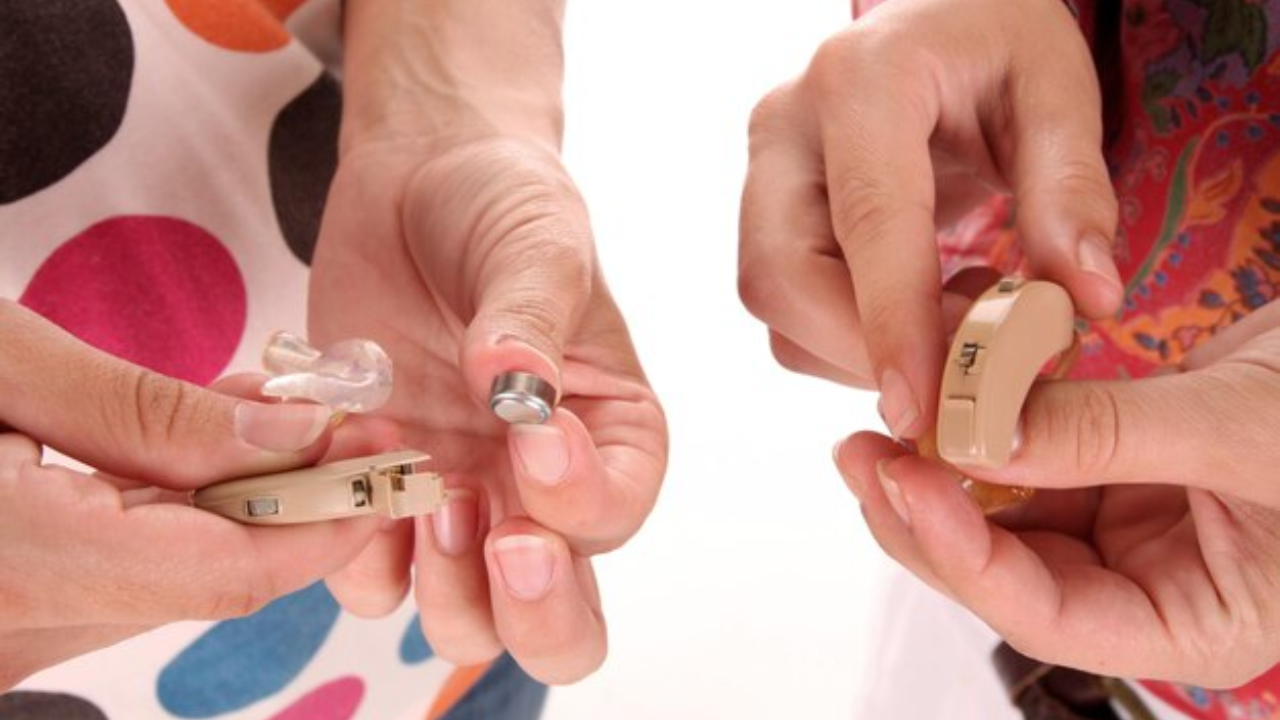
Mini RIC hearing aids are a smaller version of traditional RIC hearing aids, designed to be lightweight, comfortable, and nearly invisible. Unlike behind-the-ear (BTE) models, where the speaker sits inside the device, RIC models have a separate receiver that rests in your ear canal. This design allows for better sound quality and less distortion.
How Do Mini RIC Hearing Aids Work?
These devices work by:
- Capturing Sound: Tiny microphones pick up sound from your environment.
- Processing Audio: The hearing aid processes and amplifies the sound based on your specific hearing loss.
- Delivering Clear Sound: The receiver (or speaker) inside your ear canal transmits the processed sound directly to your ear.
Because the speaker is separate from the main body, Mini RICs often provide clearer, more natural sound than other styles.
Why Choose Mini RIC Hearing Aids?
So, what makes Mini RIC hearing aids stand out? Here are some key advantages:
Discreet and Comfortable
Mini RICs are small and lightweight, making them nearly invisible when worn. If you don’t want others to notice your hearing aid, this is a great option!
Natural Sound Quality
Since the receiver sits closer to your eardrum, you get a more natural, less “mechanical” sound.
Less Feedback and Occlusion
With traditional hearing aids, you might experience that annoying whistling sound (feedback) or a clogged feeling (occlusion). Mini RICs help reduce both of these issues.
Better for High-Frequency Hearing Loss
If you struggle to hear higher-pitched sounds—like birds chirping or voices in noisy places—Mini RIC hearing aids can be a game-changer.
Potential Downsides of Mini RIC Hearing Aids
No hearing aid is perfect. Before you buy, keep these potential downsides in mind:
Not Ideal for Severe Hearing Loss
While Mini RICs work great for mild to moderate hearing loss, they may not provide enough amplification for those with severe or profound hearing loss.
More Maintenance
Because the receiver sits inside your ear canal, it’s more exposed to moisture and earwax buildup. This means you might need to clean it more often or replace the receiver periodically.
Shorter Battery Life
Due to their small size, some Mini RIC hearing aids use smaller batteries, which may need frequent replacements or recharging.
Key Features to Look for in Mini RIC Hearing Aids
Before you invest in a pair, consider these must-have features:
Rechargeable vs. Disposable Batteries
Do you prefer the convenience of rechargeable batteries, or would you rather swap out disposable ones? Rechargeable models save money in the long run but require regular charging.
Bluetooth Connectivity
Want to stream phone calls, music, or TV audio straight to your hearing aids? Many Mini RICs come with Bluetooth, allowing you to connect to your smartphone or other devices.
Noise Reduction and Directional Microphones
If you often struggle in noisy environments, look for a model with advanced noise reduction and directional microphones to help you focus on conversations.
Tinnitus Masking
Do you have ringing in your ears (tinnitus)? Some Mini RIC hearing aids come with built-in tinnitus masking features that provide soothing background sounds to reduce discomfort.
Automatic Volume and Sound Adjustments
Some models adjust the volume automatically based on your surroundings, so you don’t have to keep fiddling with settings.
How to Choose the Right Mini RIC Hearing Aid for You
With so many options, choosing the right Mini RIC hearing aid can feel overwhelming. Follow these steps to make an informed decision:
- Get a Hearing Test – Visit an audiologist to determine your level of hearing loss.
- Set a Budget – Hearing aids range from a few hundred to several thousand dollars, so know what you’re willing to spend.
- Prioritize Features – Do you need Bluetooth? Rechargeable batteries? Tinnitus relief? List your must-haves.
- Try Before You Buy – Many hearing aid providers offer trial periods, so take advantage of them.
- Check the Warranty – Ensure your hearing aid comes with a good warranty in case of defects or repairs.
Final Thoughts: Is a Mini RIC Hearing Aid Right for You?
Mini RIC hearing aids offer an excellent balance of comfort, discreetness, and sound quality, making them a top choice for many people with mild to moderate hearing loss. But like any investment, it’s important to weigh the pros and cons before making a decision.
If you’re unsure, talk to an audiologist, test different models, and see what works best for you. After all, your hearing is priceless—so make sure you choose wisely!