
Wildfire seasons in British Columbia have become more severe and unpredictable in recent years, and few communities feel that as sharply as Kamloops. Every summer, people here prepare for possible evacuations, dangerous smoke and the ever-present risk of losing homes. Fire’s destructive potential in Kamloops is not only an inconvenience of the season — it’s a serious environmental and public safety issue that requires an approach grounded in long-term planning and widespread public support.
It’s particularly at risk given geographic and weather conditions in and near Kamloops. With its dry grasslands, pine forests and mountains, the region is a tinderbox in the hotter months. With changing weather patterns and relentless drought, the likelihood of fire has skyrocketed in Kamloops over the past decade.
The emotional devastation to the community goes beyond property and ecosystem damage. Fire evacuations can come at a moment’s notice, forcing families to flee their homes with their pets. The air quality of people, particularly children, the elderly, and those with preexisting respiratory diseases, is affected for days or even weeks as a result of smoke and ash. Psychological stress is the norm for many as they watch the horizon for smoke.
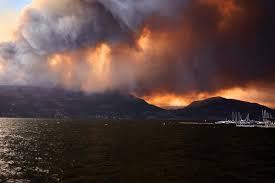
In recent years, emergency response teams and local fire departments have adapted quickly. Strategic fire breaks, prescribed burns, and community awareness programs are in place to reduce the risk. But the size of some wildfires has become so massive that even the best-laid plans are overwhelmed. Local organizations also stress that homeowners need to do their part — clearing flammable debris and having emergency kits ready, and staying on alert for updates from the BC Wildfire Service.
While the impact of repeat fires on the economy of Kamloops is one of those less-theorized and noteworthy outcomes, tourism, a primary source of summer income, often takes a hit as outdoor activities are canceled, and campgrounds shut down. Insurance rates have climbed for residents in fire-prone areas, adding a further financial burden for homeowners.
What is evident is that resilience must be embedded into the future framework. Improved fire detection, smarter zoning regulations and investments in green infrastructure could all help to make such disasters less common and less catastrophic. And, of course, education is crucial: that each resident knows their part in preventing and reacting to the menace.
While fire in Kamloops is a natural process, its growing intensity is a symptom of larger environmental changes. In ensuring a future for generations to come, community-wide action, informed policies, and a dedication to sustainability will be key. The road ahead will be uncertain, but by being prepared and united, we can make Kamloops strong and resilient to meet the challenge.
Joseph is the author of this article. For more details about Kamloops Flooding. please visit our website: totalrestoration.ca.