
Gujarat, known for its vibrant culture, rich history, and architectural marvels, is home to some of the most significant archaeological sites in India. Among them, Dholavira stands out as a testament to the ingenuity and advanced urban planning of the ancient Indus Valley Civilization. Situated in the arid Rann of Kutch, Dholavira is not just an archaeological wonder but a place that tells the story of an ancient civilization that thrived thousands of years ago. Visiting Dholavira is like stepping back in time to witness the grandeur of one of the world's oldest urban centers.
Historical Significance
Dholavira, discovered in 1967 by archaeologist Jagat Pati Joshi, is one of the five largest Harappan sites in the Indian subcontinent. The site, dating back to around 4500 years, provides valuable insights into the life, culture, and advancements of the Indus Valley Civilization. Dholavira is unique because of its well-preserved structures, intricate water conservation system, and the evidence of a highly organized society.
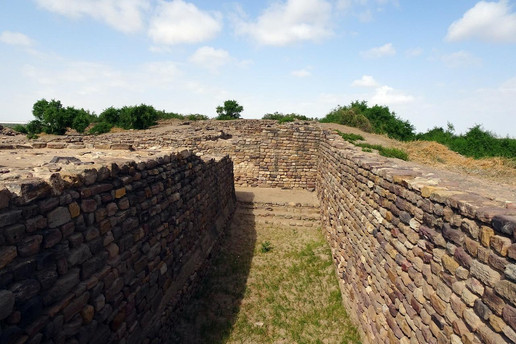
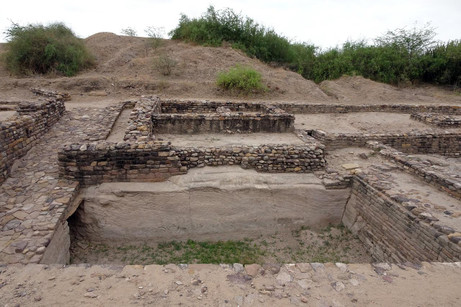
The city of Dholavira is believed to have been inhabited for over 1,200 years, from 3000 BCE to 1800 BCE. The site is spread over 100 hectares and is divided into three distinct zones: the citadel, the middle town, and the lower town, each serving different purposes and highlighting the city's hierarchical social structure. The city's layout, with its fortifications, reservoirs, and sophisticated drainage system, reflects the advanced engineering skills of its inhabitants.
Architectural Marvels
One of the most striking features of Dholavira is its water management system. Located in the arid region of Kutch, where water is scarce, the inhabitants of Dholavira devised an intricate system of channels, reservoirs, and wells to collect and store water. The city had 16 reservoirs, which were used for drinking water, bathing, and irrigation. The reservoirs were interconnected and designed to capture rainwater and store it for use during dry periods. This advanced water management system is a testament to the ingenuity and foresight of the people of Dholavira.
The city's architecture also includes well-planned streets, houses, and public buildings. The citadel, located at the highest point, was the city's administrative and religious center. It housed the ruling elite and had massive fortifications, with walls made of stone and mud bricks. The middle town, situated at a lower level, was home to the city's merchants, traders, and craftsmen. The lower town, located at the base, was the residential area for the common people.
One of the most fascinating structures in Dholavira is the large stadium-like structure, believed to have been used for public gatherings, ceremonies, or sports. The site also has evidence of a marketplace, where goods such as pottery, beads, and tools were traded. The city's layout and architecture indicate a highly organized society with a well-defined social hierarchy.
Cultural Significance
Dholavira is not just an archaeological site; it is a cultural treasure trove that provides a glimpse into the life and culture of the Harappan people. The site has yielded a wealth of artifacts, including pottery, jewelry, tools, and seals, which offer valuable insights into the daily life, trade, and religious practices of the inhabitants.
One of the most significant discoveries at Dholavira is a large inscription made of ten large signs, possibly representing an early form of writing. This inscription, found near the northern gate of the city, is the longest Harappan inscription discovered so far. Although the script remains undeciphered, it suggests that the people of Dholavira had a system of writing and record-keeping.
The discovery of various types of pottery, including fine ware and painted pottery, indicates that the people of Dholavira had a developed sense of aesthetics and craftsmanship. The site has also yielded evidence of bead-making, a craft for which the Harappans were famous. The beads made of semi-precious stones such as carnelian, agate, and lapis lazuli were likely traded with other civilizations, highlighting Dholavira's role as a major trade center.
Visiting Dholavira
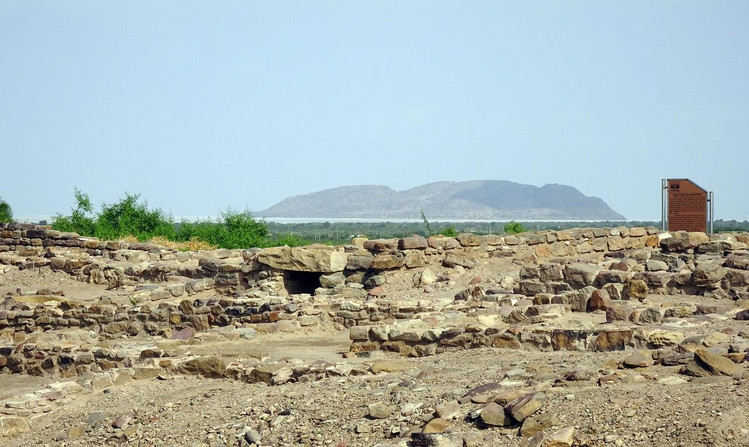
A visit to Dholavira is a journey into the past, where history comes alive through the ruins and artifacts. The site is located on the Khadir Bet island in the Rann of Kutch, surrounded by the salt flats of the Great Rann. The best time to visit Dholavira is between October and March, when the weather is pleasant.
To reach Dholavira, one can take a flight to Bhuj, the nearest airport, and then travel by road. The site is approximately 220 kilometers from Bhuj and can be reached by car or bus. There are also options for guided tours, which provide valuable insights into the history and significance of the site.
Apart from the archaeological site, visitors can also explore the nearby Fossil Park, which houses fossilized trees believed to be millions of years old. The Rann of Kutch, with its vast white salt desert, is another must-visit attraction, especially during the Rann Utsav, a cultural festival celebrating the region's rich heritage.
Conclusion
Dholavira is more than just a historical site; it is a testament to the ingenuity, resilience, and advanced thinking of the ancient Harappan civilization. The city's well-planned layout, sophisticated water management system, and rich cultural heritage make it one of the best places to visit in Gujarat. Whether you are a history enthusiast, an archaeology buff, or a traveler seeking to explore the lesser-known gems of India, Dholavira is a destination that will leave you awe-inspired. The echoes of a bygone era resonate through its ruins, reminding us of a civilization that, despite the passage of millennia, continues to captivate our imagination.