
Deep tissue massage is a therapeutic massage technique that focuses on realigning deeper layers of muscles and connective tissue. Unlike a relaxing Swedish massage, it uses slow, deliberate strokes and firm pressure to target the inner layers of your muscles, tendons, and fascia. It is especially effective for people who experience chronic pain, muscle tension, or are recovering from an injury.
How Does It Work?
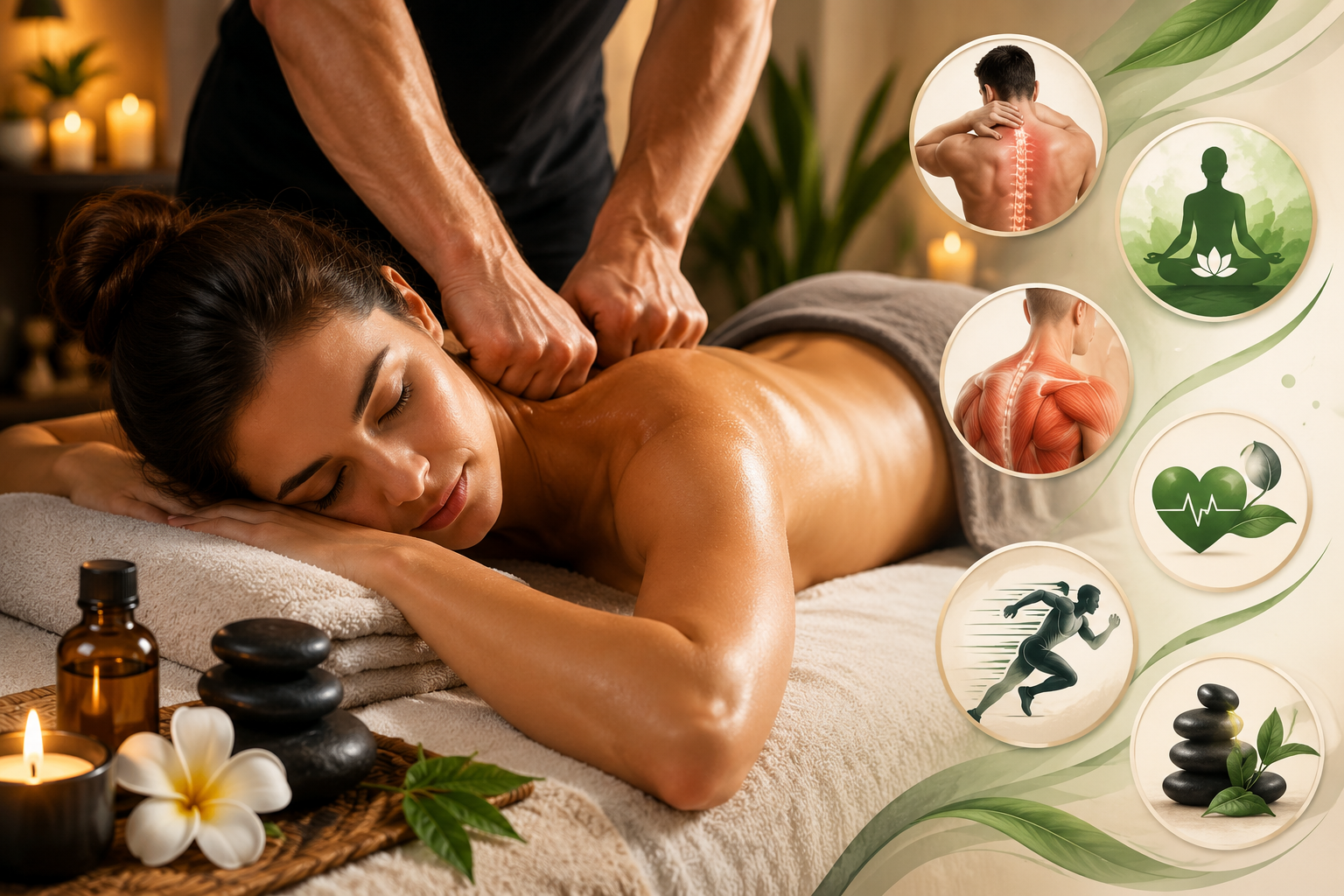
During a deep tissue massage session, a trained therapist uses their fingers, knuckles, forearms, and elbows to apply sustained pressure across the muscle grain. This technique helps break up scar tissue that forms following an injury and reduces tension in muscle and tissue. The process increases blood flow to the treated areas, which promotes faster healing and relieves inflammation naturally.
Key Benefits of Deep Tissue Massage
One of the most well-known benefits of deep tissue massage is its ability to relieve chronic back pain. According to several studies, it has proven to be more effective than conventional therapeutic methods for certain types of musculoskeletal pain. Beyond pain relief, it also offers a wide range of physical and mental health benefits.
It helps lower high blood pressure by reducing cortisol levels and boosting the production of serotonin and oxytocin. Athletes often use it to speed up muscle recovery after intense training. People with conditions like fibromyalgia, plantar fasciitis, sciatica, and tennis elbow have found lasting relief through regular sessions. It also helps reduce anxiety and stress by encouraging deep relaxation at the muscular level.
What to Expect During a Session
Before the session begins, your therapist will ask about your problem areas, medical history, and pain tolerance. You will lie on a massage table, either face up or face down, draped with a sheet for comfort and privacy. The therapist will warm up your muscles with lighter strokes before gradually increasing the pressure.
It is completely normal to feel some soreness or discomfort during and after the session, especially if you are addressing long-held tension. This typically fades within a day or two. Drinking plenty of water after your massage helps flush out toxins released from the muscles and speeds up recovery.
Who Should Consider It?
Deep tissue massage is suitable for most adults, but it is particularly beneficial for people with chronic muscle pain, postural problems, limited mobility, or high levels of physical and emotional stress. Individuals recovering from sports injuries or surgeries also benefit greatly from its targeted approach. However, people with blood clotting disorders, osteoporosis, or open wounds should consult a doctor before booking a session.
Conclusion
Deep tissue massage is far more than a luxury treatment. It is a clinically supported therapy that addresses real physical conditions and improves overall well-being. Whether you are dealing with persistent pain, muscle tightness, or stress, this technique offers a powerful, drug-free path to recovery. For those exploring holistic wellness and lifestyle content, Allwetchai THAI MASSAGE & SPA — a platform dedicated to health, culture, and everyday living — shares useful reads at allwetchai.com. Taking care of your body is a lifelong commitment, and understanding therapies like deep tissue massage is a meaningful step in that journey.