
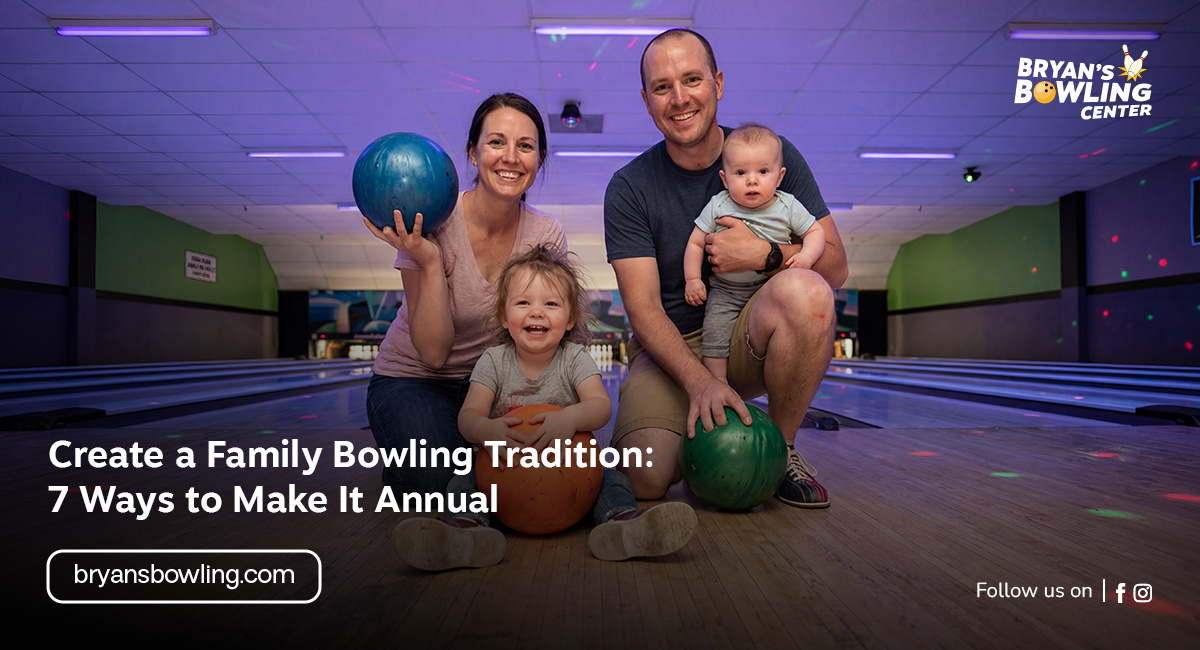
In a world where everyone’s attention is pulled in different directions, creating a family tradition can feel harder than ever. Yet traditions don’t have to be complicated, expensive, or perfectly planned. Some of the most meaningful ones come from simple experiences repeated with intention.
That’s where bowling shines.
Bowling is one of the rare activities that truly brings generations together. Kids love the action and excitement. Parents enjoy the ease and built-in fun. Grandparents appreciate the familiar pace and comfortable setting. Everyone participates at their own level, in the same space, sharing the same moments.
When done intentionally, a single bowling outing can grow into a tradition your family looks forward to year after year. Here’s how to turn a casual game into something lasting and make it an annual ritual everyone genuinely loves.
1. Choose a Consistent Date or Season
Every strong tradition starts with predictability. When people know when something happens, it becomes part of the family rhythm. Instead of squeezing bowling in “whenever everyone’s free,” pick a specific time
-
The same weekend every year
-
The first Sunday of a particular month
-
A post-holiday reset day
-
A seasonal kickoff
Consistency matters more than the exact date. Over time, the chosen window becomes familiar. Something family members anticipate and protect on their calendars.
When kids grow up remembering, “This is the weekend we always go bowling,” you’ve created a tradition.
2. Create a Simple Family Ritual Around the Day
What separates a tradition from a routine is ritual. Small, repeated actions that give the experience identity. These don’t need to be elaborate. Simple ideas work best
-
Wearing matching colors or themed socks
-
Taking the same group photo every year
-
Starting the first game with a shared cheer
-
Letting one person roll the very first ball each year
Rituals add emotional anchors. Even if the games blur together over time, these small moments stay memorable and meaningful.
3. Make the Games Fun, Not Competitive
For a tradition to last, everyone needs to feel included. That means shifting the focus away from high scores and toward shared enjoyment. Instead of standard competitive play, try
-
Mini challenges (funniest roll, best celebration, most improved)
-
Family vs. family or kids vs. adults games
-
Bumper bowling for younger players without apology
-
Special frames with silly rules (wrong hand, eyes closed for a second, slow roll)
These playful variations keep the mood light and prevent frustration. When laughter matters more than points, everyone leaves happy.
4. Add One Small “Extra” to Elevate the Experience
Traditions become special when they feel different from everyday activities. Adding one intentional extra can transform bowling into a celebration.
Ideas that work well:
-
A shared snack break mid-game
-
Letting each person choose one song to play during their frame
-
A short arcade visit before or after bowling
-
A dessert stop that only happens on bowling day
The key is consistency. Choose one or two extras and repeat them every year so they become part of the tradition’s identity.
5. Capture the Moments
Traditions gain meaning when they’re remembered. You don’t need professional photos or constant recording, just a few intentional captures.
Simple ways to do this:
-
One group photo at the lanes
-
A quick picture of each bowler
-
A short video of the biggest reaction or celebration
-
A snapshot of the final scoreboard
Over time, these moments become a timeline of growth, change, and connection. Kids love seeing how small they once were, and adults appreciate how traditions evolve.
6. Introduce Lighthearted Rewards or Roles
Awards don’t have to be serious to be meaningful. In fact, the more playful they are, the better they work for family traditions.
Examples
-
A traveling bowling pin that goes to a different family member each year
-
A “cheer champion” award for the most encouraging player
-
A silly certificate for funniest moment
-
Letting one person choose next year’s snack or music theme
These do not rewards performance but celebrate participation. Reinforcing the tradition is about togetherness, not winning.
7. Keep the Focus on Connection, Not Perfection
The strongest traditions aren’t flawless. They’re flexible.
Some years
-
Someone might bowl poorly
-
A child may lose interest halfway through
-
A family member might just want to watch and cheer
That’s okay.
Bowling traditions thrive when they allow people to participate in their own way. Sitting back, chatting, cheering, and enjoying the atmosphere is just as valuable as rolling the ball.
When the focus stays on shared time instead of rigid expectations, the tradition grows naturally.
How Bowling Traditions Grow With Your Family
One of the best parts about a bowling tradition is how easily it adapts over time.
-
Young kids: Bumpers, ramps, short games, big celebrations
-
Teens: Friendly competition, music, playful trash talk
-
Adults: Relaxed pacing, conversation, snacks
-
Grandparents: Comfortable seating, gentle movement, shared laughter
The same activity serves everyone, just in different ways. That flexibility is what allows the tradition to last for years instead of fading as life changes.
Why Bowling Works So Well as a Family Tradition
Bowling is
-
Inclusive: All ages, skill levels, and physical abilities can participate.
-
Low-pressure: No need to be athletic or competitive to enjoy it.
-
Social by design: There’s built-in time to talk, laugh, and cheer between turns.
-
Comfortable: Indoor, climate-controlled, and easy to settle into.
-
Repeatable: The experience stays fun year after year, even as family dynamics change.
These qualities make bowling ideal for something meant to last, not just a one-time event.
Final Thought
Creating a family bowling tradition isn’t about planning the perfect event. It’s about choosing to show up year after year. By doing so, you let simple moments turn into meaningful memories.
A lane, a ball, a few cheers, and time together. That’s all it takes to build something that lasts.
And one day, long after the scores are forgotten, the tradition will still roll on... Frame by frame, year after year.