
Charge controllers are an essential component of solar photovoltaic (PV) systems, responsible for managing the charging and discharging of batteries to ensure their longevity and efficient operation. While solar PV systems have become increasingly popular as a renewable energy source, it is essential to understand the importance of maintaining the efficiency of the charge controller for the long term.
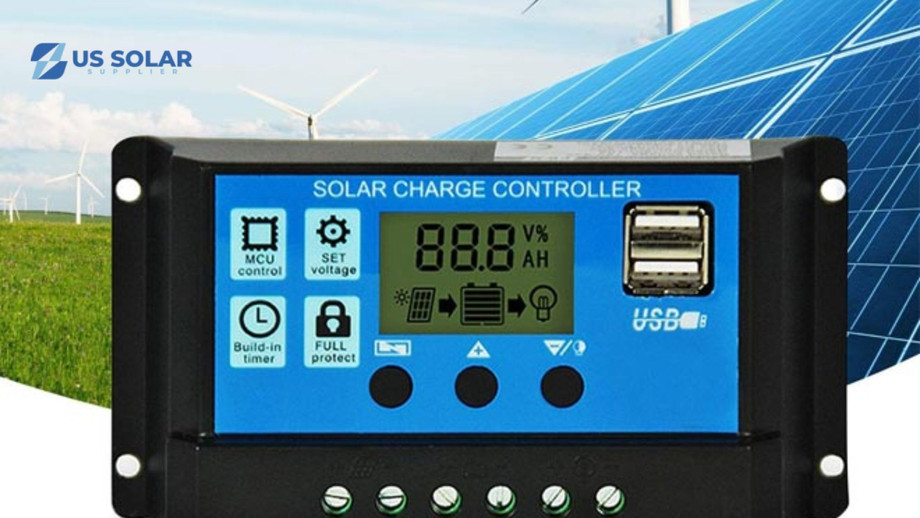
What is a Charge Controller?
A charge controller is an electronic device that regulates the flow of electrical energy from solar panels to batteries in a solar PV system. Its primary function is to prevent overcharging and deep discharging of batteries, which can lead to a decrease in their lifespan and overall efficiency. Charge controllers also protect short circuits, overloads, and reverse currents, ensuring the safety and reliability of the system.
Types of Charge Controllers
There are three main types of charge controllers: PWM (Pulse-Width Modulation), MPPT (Maximum Power Point Tracking), and basic on-off controllers.
PWM charge controllers are the most basic and affordable type of charge controller, regulating the charging of batteries by adjusting the duty cycle of the incoming power. MPPT charge controllers, on the other hand, are more advanced and efficient, tracking the maximum power point of the solar panel array and optimizing the charging current for maximum efficiency. Basic on-off controllers are the simplest type of controller, switching the charging process on and off when certain voltage thresholds are met.
Why is Maintaining Charge Controller Efficiency Important?
Maintaining the efficiency of the charge controller is crucial for ensuring the long-term performance and lifespan of the entire solar PV system. Poorly maintained charge controllers can result in overcharging or deep discharging of batteries, which can lead to permanent damage and decrease their overall efficiency.
Overcharging can lead to the formation of dendrites on the surface of the lead-acid batteries, which can cause a short circuit and permanently damage the battery. Similarly, deep discharging can lead to a decrease in the battery's capacity and cause irreversible damage.
In addition, poorly maintained charge controllers can also lead to system failure and increased maintenance costs. It is, therefore, important to ensure that the charge controller is functioning correctly and efficiently at all times.
Tips for Maintaining Charge Controller Efficiency
Regularly Check and Clean the Controller: The charge controller should be checked and cleaned regularly to ensure that it is functioning correctly. Dust and debris can accumulate on the controller's surface, affecting its performance and efficiency.
Monitor Battery Charge Levels: Regularly monitoring battery charge levels can help prevent overcharging or deep discharging of batteries. Charge controllers should be programmed to disconnect the battery from the solar panel array when the battery is fully charged or when it reaches a low voltage threshold.
Perform Regular Maintenance: Regular maintenance of the solar PV system, including the charge controller, can help prevent system failure and increase its lifespan. This includes checking wiring connections, ensuring that all components are functioning correctly, and replacing any faulty parts.
Conclusion
Charge controllers are an essential component of solar PV systems, ensuring the efficient charging and discharging of batteries and protecting the system from damage. Maintaining the efficiency of the charge controller is crucial for ensuring the long-term performance and lifespan of the entire solar PV system. By regularly checking and cleaning the controller, monitoring battery charge levels, and performing regular maintenance, you can ensure that your solar PV system is functioning efficiently for years to come.