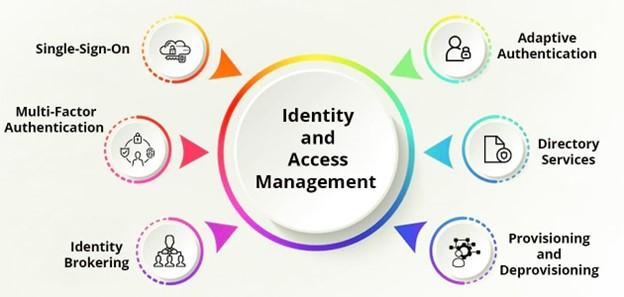
Managing access to critical systems, data, and applications has become increasingly complex in today's rapidly evolving digital landscape. This is particularly true for privileged accounts—those that grant users high-level access to sensitive resources. With cyberattacks becoming more sophisticated, organizations must proactively safeguard these privileged accounts. One of the most effective ways to achieve this is through Privileged Access Management (PAM), a crucial component of Identity and Access Management services. PAM helps ensure that users with elevated access privileges are properly monitored, managed, and secured to reduce the risk of breaches, misuse, or unauthorised access.
Understanding PAM and Its Role in IAM
Privileged Access Management (PAM) involves practices, tools, and policies to control, monitor, and secure privileged accounts, such as system administrators or database managers, which have elevated access to critical systems and sensitive data. While necessary for IT management, these accounts pose significant security risks if compromised, potentially leading to data breaches or financial loss. PAM is a crucial component of Identity and Access Management (IAM), which oversees digital identities and access control, focusing specifically on safeguarding highly privileged accounts within an organization
The Benefits of PAM in Securing Privileged Accounts
1. Enhanced Security for Critical Accounts
One of the primary benefits of PAM is its ability to enhance security by providing strict controls over privileged accounts. PAM ensures that sensitive data or high-level systems are only accessible by authorized users. Through techniques like least privilege access, organizations can limit the permissions granted to users, ensuring that they only have access to the resources they need to perform their tasks. This lowers the possibility of inadvertent privileged account misuse or illegal access.
2. Real-Time Monitoring and Auditing
With PAM in place, privileged accounts are continuously monitored in real time. This means that all activities performed using privileged credentials are logged and can be audited for suspicious or unauthorized actions. By maintaining an audit trail of who accessed what, when, and why, organizations can quickly detect and respond to any anomalies or potential security threats. The visibility provided by PAM allows IT teams to enforce accountability and ensure compliance with regulatory standards, such as GDPR, HIPAA, or PCI-DSS.
3. Reduced Attack Surface and Insider Threats
Privileged accounts are prime targets for cybercriminals, and if compromised, they can serve as a gateway to infiltrate an organization’s entire network. PAM helps minimize this risk by securing privileged credentials and implementing strong authentication methods, such as multi-factor authentication (MFA). Additionally, PAM can isolate critical systems by using techniques like session recording and automatic session termination, ensuring that even if an account is compromised, the impact is contained. PAM also mitigates insider threats by providing granular control over who has access to sensitive data and systems, making it harder for malicious insiders to exploit their elevated privileges.
4. Compliance and Risk Management
Many industries are subject to strict compliance requirements regarding the protection of sensitive data. PAM ensures that organizations comply with these regulations by enforcing strong access controls and providing detailed audit trails. By continuously monitoring privileged account activity, PAM helps organizations demonstrate compliance during audits and reduces the risk of non-compliance penalties. Additionally, PAM helps identify and address potential vulnerabilities, contributing to overall risk management efforts.
5. Automation and Efficiency
PAM solutions often include automated features that simplify the management of privileged accounts. For instance, PAM tools can automatically rotate passwords, eliminating the need for manual updates and reducing the risk of password reuse. Automation also enables quicker response times in the event of a security incident, reducing the time and effort required to manage privileged access while maintaining a strong security posture.
Why PAM Should Be Part of Your IAM Strategy
As organizations continue to embrace digital transformation, implementing a robust Identity and Access Management (IAM) service strategy is more important than ever. PAM is a critical component of IAM, especially when it comes to managing privileged accounts. By combining PAM with other IAM practices, such as identity governance, authentication, and access control, organizations can establish a comprehensive security framework that ensures their digital assets are protected from all angles.
As a vital element of Identity and Access Management (IAM), Privileged Access Management (PAM) plays a key role in protecting critical systems and high-level access from potential threats. Implementing PAM helps organizations reduce risk, improve compliance, and bolster their IT security posture. CloudIBN provides comprehensive Identity and Access Management services customized to meet the unique needs of your business. We’ll ensure your privileged accounts and sensitive data are securely managed and continuously monitored. Strengthen your security infrastructure and gain control over your privileged access today with CloudIBN.
Contact Information:
Website: www.cloudibn.com
Call: 020-711-79584