
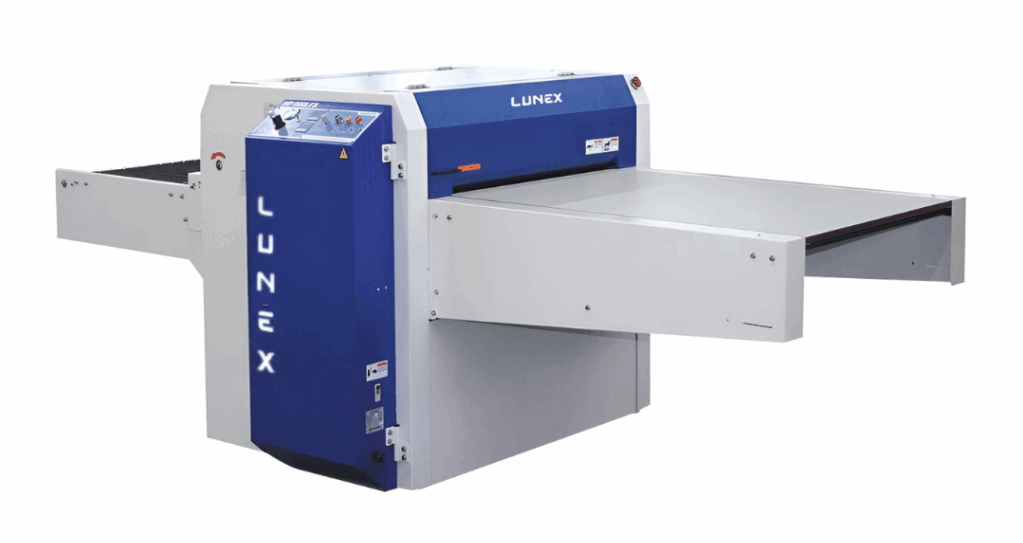
Garment quality depends on more than accurate stitching and fabric selection. The way different fabric layers are bonded also influences the structure, appearance, and durability of finished garments. In manufacturing processes involving collars, cuffs, waistbands, plackets, and other reinforced sections, fusing technology helps create a consistent bond between the outer fabric and interlining.
An Advanced Fusing Machine supports this process by applying controlled heat and pressure for bonding compatible materials. Selecting suitable equipment helps garment manufacturers manage fusing consistency and maintain repeatable production standards.
Why Fusing Consistency Matters in Garment Manufacturing
Fusing involves bonding an interlining to a fabric using heat-activated adhesive. The process helps provide structure and support to selected garment components without requiring additional stitching throughout the bonded area.
Inconsistent fusing can create several production issues, including bubbling, poor adhesion, uneven bonding, and changes in fabric appearance.
These problems may affect the final garment's presentation and require additional inspection or rework. Maintaining consistent processing conditions is therefore important for manufacturers handling large production volumes.
How Advanced Fusing Machines Support the Bonding Process
An advanced fusing system helps manufacturers control the conditions required for effective bonding. Depending on the machine configuration, important operating parameters may include temperature, pressure, and processing time.
Each parameter influences the bonding result:
-
Temperature: The adhesive requires an appropriate heat level to activate and bond with the fabric.
-
Pressure: Consistent pressure helps maintain contact between the fabric and interlining.
-
Processing time: The material needs sufficient exposure to the required temperature and pressure.
-
Material compatibility: Fabric type, interlining construction, and adhesive characteristics influence the required settings.
Manufacturers should follow material and equipment recommendations when establishing operating conditions. Incorrect settings can result in weak bonding or damage to heat-sensitive fabrics.
Choosing the Right Fusing Machine for Production Requirements
Different garment manufacturing operations have different fusing requirements. A factory producing formal shirts may use different interlining combinations from one manufacturing jackets, uniforms, or structured garments.
Before selecting equipment, manufacturers should evaluate:
-
Production volume: The machine should accommodate the factory's expected workload.
-
Fabric compatibility: Processing requirements should match the materials used in production.
-
Working width: The available processing area should accommodate the components being fused.
-
Temperature control: Operators should be able to establish and maintain suitable operating conditions.
-
Pressure consistency: The equipment should provide appropriate and repeatable pressure.
-
Maintenance requirements: Routine servicing and component availability should be considered before purchasing.
Evaluating these factors helps businesses avoid choosing equipment based only on its advertised capacity or purchase price.
Understanding Pneumatic Linear Fusing Machines
Pneumatic linear fusing machines are designed for fusing applications involving linear processing arrangements. Their suitability depends on the construction, operating mechanism, and material requirements of the particular model.
Manufacturers considering this equipment should evaluate how its working arrangement fits their production workflow and the garment components being processed.
Explore the Pneumatic Linear Fusing Machine from Lunex Machine to understand the equipment option available for specialised garment fusing requirements.
The selection should ultimately depend on the factory's material specifications, production capacity, and required bonding results.
Common Fusing Problems and How Manufacturers Can Address Them
Even when suitable machinery is installed, inconsistent results can occur if operating conditions are not properly maintained.
Bubbling and wrinkling: These issues may occur when temperature, pressure, processing time, or material combinations are unsuitable. Manufacturers should review the complete fusing setup rather than adjusting only one parameter.
Weak adhesion: Insufficient heat activation, unsuitable pressure, or incompatible adhesive and fabric combinations can affect bonding strength. Testing material combinations before full-scale production can help identify problems.
Fabric discolouration: Excessive heat or unsuitable processing conditions may affect sensitive fabrics. Manufacturers should follow recommended temperature limits and conduct material trials.
Uneven bonding: Variations in pressure, material placement, or machine operation can lead to inconsistent results. Regular equipment checks and standardised operating procedures help reduce variation.
Documenting successful machine settings for different fabric and interlining combinations can also help operators maintain repeatable results.
The Role of Fusing Equipment in Production Efficiency
Fusing is an important operation in garment manufacturing because it influences both component preparation and final product quality.
When the equipment matches production requirements, manufacturers can establish more consistent processing routines and reduce avoidable rework associated with poor bonding.
However, machine selection alone does not guarantee better results. Material quality, operator knowledge, maintenance, and process control remain important parts of the overall operation.
Exploring Garment Manufacturing Machinery from Lunex Machine
Manufacturers evaluating fusing equipment should consider the machine's intended application, operating requirements, and compatibility with their production processes.
Lunex Machine provides industrial sewing and garment manufacturing machinery solutions for businesses looking to assess equipment for their factory operations. Manufacturers searching for an Advanced Fusing Machine can explore the Lunex Machine website to review available machinery and identify suitable options.
Understanding the relationship between fabric properties, adhesive requirements, and machine settings helps businesses make more informed equipment decisions.
Building More Consistent Garment Production Processes
Consistent fusing depends on selecting suitable machinery, using compatible materials, and maintaining appropriate processing conditions. Manufacturers that evaluate these factors can establish more reliable bonding procedures across different garment components.
An advanced fusing system should therefore be selected according to actual production requirements rather than specifications alone. This approach helps garment factories manage bonding quality while supporting their wider manufacturing objectives.