
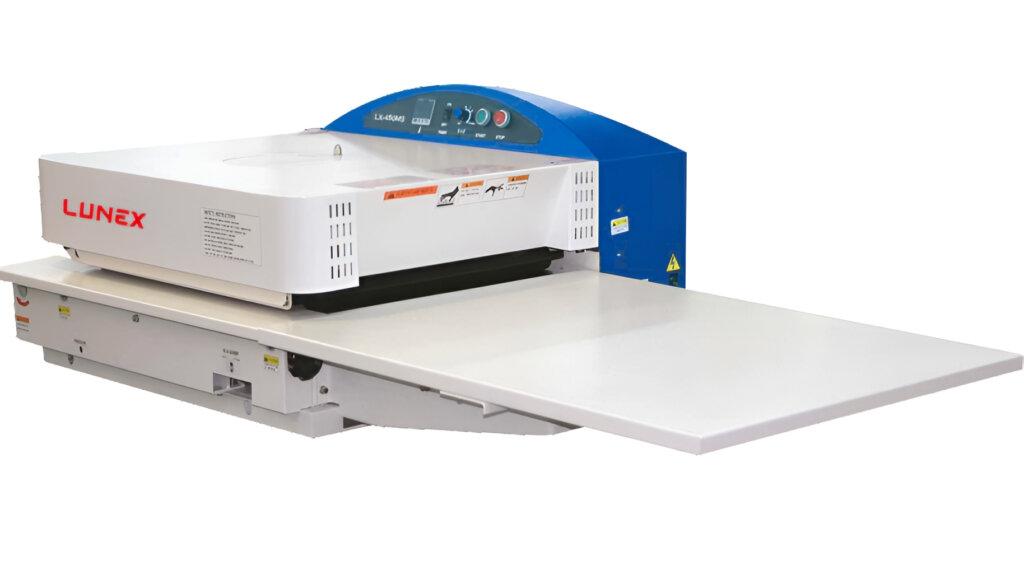
Consistent fabric bonding is essential for producing garments with a professional finish, stable shape, and reliable construction. An Advanced Fusing Machine helps garment manufacturers apply controlled heat and pressure to bond fusible interlining with fabric. When the process is correctly matched to the materials, it can support consistent garment quality, reduce bonding defects, and improve production workflow.
Understanding the Fusing Process
Fusing is commonly used to attach fusible interlining to garment components such as collars, cuffs, waistbands, and front panels. The process relies on a combination of temperature, pressure, and processing time to activate the adhesive and create a bond between the fabric and interlining.
The correct settings depend on the fabric, interlining adhesive, and machine configuration. A process that works well for one material combination may not produce the same result with another. Manufacturers should therefore establish suitable settings through material trials before beginning bulk production.
Why Process Control Matters
Inconsistent fusing can lead to defects that affect both appearance and garment durability. Common problems include peeling, bubbling, uneven bonding, strike-through, and unwanted changes in fabric appearance.
An advanced fusing setup can help operators maintain more consistent processing conditions when the equipment is properly configured and maintained. However, machine capability alone cannot eliminate defects. Correct material selection, preparation, operating procedures, and quality checks remain essential.
Key Factors to Evaluate in an Advanced Fusing Machine
1. Temperature Control
Temperature influences how the adhesive on fusible interlining activates. If the temperature is too low, the bond may be inadequate. Excessive heat can damage sensitive fabrics or affect the adhesive and surface appearance.
Manufacturers should check the machine's temperature-control features and verify actual process conditions using the recommended testing procedure. Always follow the fabric and interlining supplier's technical guidance.
2. Pressure Consistency
Pressure helps bring the fabric and interlining into contact during bonding. Uneven or unsuitable pressure can contribute to inconsistent results across the material.
When evaluating an Advanced Fusing Machine, review its pressure-adjustment mechanism and determine whether the settings can be maintained consistently for your intended applications.
3. Processing Time and Belt Speed
The duration of heat and pressure exposure affects adhesive activation. On continuous fusing equipment, belt speed influences how long the material remains in the heated zone.
The appropriate processing time depends on the materials and equipment. Operators should test combinations of temperature, pressure, and speed rather than changing one setting without assessing its effect on the final bond.
4. Machine Capacity and Working Width
Production requirements should guide machine selection. Consider the size of garment components, the volume of material processed, available factory space, and the desired production rate.
The working width and feeding arrangement should accommodate your usual materials without unnecessary handling or repeated repositioning. Confirm the machine's actual specifications with the supplier before purchasing.
How to Reduce Common Fusing Defects
A structured quality-control process helps manufacturers identify problems before they affect a large production batch.
-
Peeling: Check material compatibility and verify the recommended fusing settings.
-
Bubbling: Review moisture, fabric preparation, and the temperature-pressure-time combination.
-
Uneven bonding: Inspect pressure consistency, feeding alignment, and the condition of the machine.
-
Fabric damage: Reassess heat exposure and confirm that the selected materials are suitable for the process.
-
Inconsistent results between batches: Document approved settings and repeat the prescribed quality checks.
The precise cause of a defect can vary, so manufacturers should investigate the material combination and process conditions before making adjustments.
Establish a Repeatable Fusing Quality Check
Before starting bulk production, prepare samples using the selected fabric and interlining. Inspect the bonded components for surface appearance, bubbles, peeling, distortion, and other material-specific defects.
Where required, carry out bond-strength or wash-performance testing according to the relevant supplier recommendations and product specifications. Record the approved settings and inspection results so operators can reproduce the process across production runs.
This approach helps turn fusing from an operator-dependent activity into a more controlled manufacturing operation.
Explore Advanced Fusing Equipment From Lunex Machine
Garment manufacturers looking to evaluate fusing equipment can explore the Compact Fusing Machine range from Lunex Machine.
Before choosing a model, discuss your fabric types, interlining requirements, production volume, working-width needs, and available factory space with the supplier. Reviewing verified machine specifications and conducting material trials can help determine whether the equipment suits your production process.
Conclusion
An advanced fusing machine can support consistent bonding when its operating capabilities are matched to the materials and the process is properly controlled. Temperature, pressure, processing time, machine capacity, and routine quality checks all influence the final result.
By testing materials before bulk production, documenting approved settings, and selecting equipment according to actual manufacturing needs, garment manufacturers can improve process consistency and make more informed machinery investments.