
Plates, the humble yet essential dining utensil, often go unnoticed in our daily lives. They serve as the foundation for presenting our meals, offering a canvas for culinary creations. But have you ever stopped to appreciate the artistry and significance behind these seemingly simple objects? In this article, we delve into the fascinating world of plates, exploring their history, design, and cultural significance.

A Brief History
The use of plates dates back thousands of years. Early civilizations utilized various materials such as clay, wood, and metal to fashion vessels for serving food. The Ancient Greeks and Romans introduced the idea of individual plates, departing from the communal style of dining. Over time, plates evolved in shape, size, and material, reflecting the cultural influences of different societies.
Design and Functionality
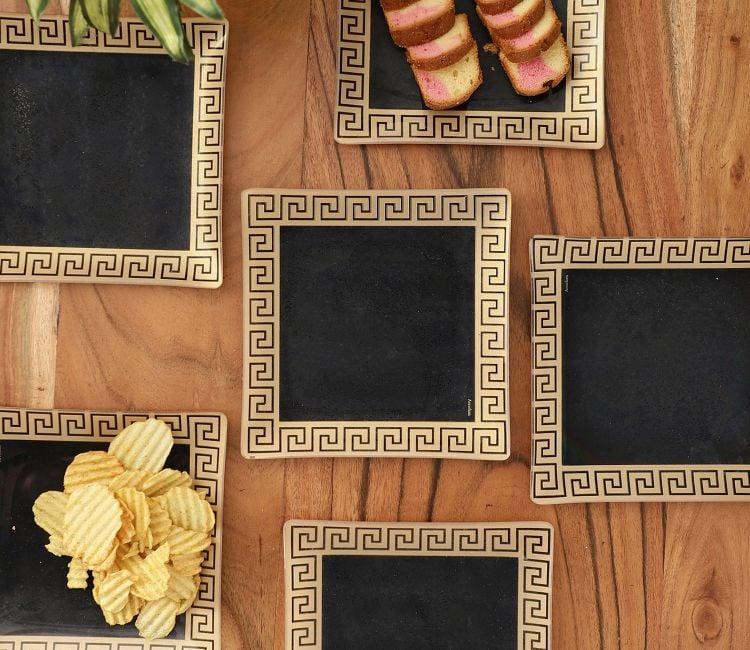
Plates come in an array of designs, shapes, and sizes, each serving a specific purpose. Flat plates, also known as dinner plates, are the most common and versatile. They are typically round or square, providing ample space for arranging different food items. Deep plates, like soup bowls, are designed to hold liquids and prevent spillage. Salad plates are smaller in size, intended for appetizers or side dishes.

Material Matters
The choice of plate material plays a significant role in both aesthetics and functionality. Porcelain and bone china are renowned for their elegance and delicate appearance, often adorned with intricate patterns or designs. Stoneware and earthenware offer a rustic and earthy charm, while glass and melamine plates exude modernity and durability. Each material brings a unique character to the dining experience.
Cultural Significance
Plates have deep cultural roots, symbolizing traditions, customs, and regional cuisines. In many cultures, sharing a meal signifies unity and community. Communal dining plates, such as thalis in Indian cuisine or meze platters in Mediterranean cuisine, bring people together to share various dishes. In contrast, individual plates reflect a more personalized dining experience, emphasizing individual preferences.
Beyond Dining
Plates extend beyond their practical use in dining. They have become objects of art and self-expression. Artists and designers create stunning and unconventional plate designs, turning them into collectible items. Plates adorned with paintings, intricate motifs, or even witty messages add a touch of personality to our dining spaces. Displaying decorative plates on walls or shelves has become a popular way to showcase creativity and add aesthetic appeal to interior decor.
Conclusion
Next time you sit down for a meal, take a moment to appreciate the plates before you. They are not just vessels for food, but the silent storytellers of culinary traditions, cultural heritage, and artistic expression. From the material they are crafted from to the designs that adorn them, plates hold a remarkable significance in our lives. Let us embrace the artistry and thoughtfulness behind these everyday objects and celebrate the beauty they bring to our dining experiences.