
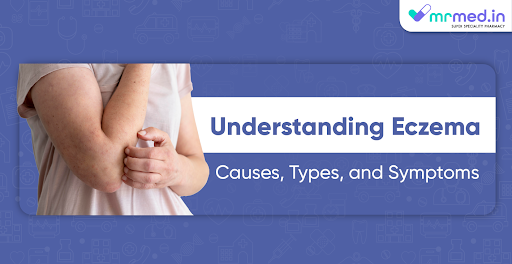
A prevalent skin ailment affecting millions worldwide is eczema, often known as dermatitis. It is distinguished by red, itchy, and inflamed skin and can be painful and occasionally even incapacitating. Understanding eczema's causes, kinds, and the variety of symptoms it exhibits is essential for managing and treating the condition.
Causes of Eczema: A Multifactorial Puzzle
Eczema is a complicated illness with several potential genetic and environmental causes. Even though each experiences triggers differently, the following reasons are frequently connected to the onset of eczema:
- Genetics: Having allergies, asthma, or eczema in the family might make the condition more likely to occur. The inability of the skin to retain moisture and defend against external irritants may be impacted by specific genes.
- Immune System Dysfunction: Eczema sufferers frequently have a hyperactive immune system, which results in inflammation and skin reactivity to outside stressors. The chronic character of the illness is a result of this immune system malfunction.
- Environmental Factors: Eczema symptoms can be brought on or worsened by exposure to irritants, including harsh chemicals, certain materials, and severe temperatures.
- Skin Barrier Dysfunction: Eczema sufferers frequently have a weakened skin barrier, which enables irritants and moisture to pass through. This frail barrier makes The skin more vulnerable to irritation and itching.
Types of Eczema: A Spectrum of Skin Disorders
Eczema comes in various forms, each with its characteristics and causes. The following are a few of the most prevalent eczema types:
- Atopic Dermatitis: The most common kind of eczema, it frequently affects those with a family history of allergies and asthma. It often affects the face, arms, and area below the knees and is characterised by dry, itchy skin.
- Contact Dermatitis: This form of eczema is broken down into two subtypes: irritant contact dermatitis, which is brought on by irritants like chemicals, and allergic contact dermatitis, which is brought on by allergens like nickel or perfumes.
- Nummular Eczema: This kind of eczema is characterised by round, coin-shaped lesions and is frequently brought on by dry skin and external influences like cold weather. It is more frequent in elderly persons and can be quite irritating.
- Dyshidrotic Eczema: This kind of eczema is distinguished by tiny, fluid-filled blisters that mostly affect the palms of the hands and soles of the feet. Its growth may be influenced by stress, allergies, and exposure to metal allergens.
- Seborrheic Dermatitis: Seborrheic dermatitis, popularly known as "cradle cap" in newborns, can also affect adults. It results in red, scaly spots that frequently occur on the chest, face, and scalp.
Symptoms of Eczema: Beyond the Itch
Depending on the kind and severity of the ailment, eczema symptoms can take many forms. Typical signs include:
- Itching: Eczema is characterised by severe itching. Scratching can worsen the disease by causing skin damage and possibly even an infection.
- Redness and Inflammation: The immunological reaction and increased blood flow to the region cause affected skin to become red, puffy frequently, and inflamed.
- Dryness and Scaling: Skin that is prone to eczema is less able to hold onto moisture, which results in dryness, flakiness, and even cracking.
- Blisters and Oozing: Some eczema forms, such as dyshidrotic eczema, can cause the development of tiny blisters that may ooze fluid when they rupture.
- Thickened Skin: Prolonged scratching and irritation can cause afflicted regions to develop thicker, leathery skin.
Eczema Treatment: Strategies for Relief and Management
Eczema can be difficult to treat because of its chronic itching, redness, and inflammation. Although there is no known cure for this skin ailment, many treatments and methods are available to offer comfort, reduce symptoms, and enhance overall skin health. Understanding the alternatives can enable people to take charge of their eczema journey, from medication therapies to lifestyle changes.
1. Moisturization: A Fundamental Step
Keeping the skin properly hydrated is one of the pillars of eczema management. Applying moisturizers often lowers the likelihood of flare-ups by restoring the skin's protective barrier and halting moisture loss. Choose moisturizers that are hypoallergenic, fragrance-free, and include ceramides and hyaluronic acid, two substances proven to enhance skin moisture.
2. Systemic Medications: Reserved for Severe Cases
Eczema caused by Atopic Dermatitis is treated with Picon cream containing pimecrolimus. It prevents T cells, cytokines, interleukins, and interferons from activating, a factor in the inflammatory and immunological responses connected to atopic dermatitis.
3. Topical Corticosteroids: Targeting Inflammation
Dermatologists frequently recommend topical corticosteroids for severe flare-ups. These anti-inflammatory lotions and ointments aid in lowering inflammation, itching, and redness. To avoid negative effects like skin thinning, following recommended guidelines and gradually reducing usage is crucial.
4. Topical Calcineurin Inhibitors: Alternative Anti-Inflammatories
Topical calcineurin inhibitors can be utilised when corticosteroids are inappropriate or if long-term usage is a problem. These medicines reduce inflammation without having the same risk of weakening skin as corticosteroids.
5. Antihistamines: Relieving Itchiness
Antihistamines taken orally can ease the severe itching brought on by eczema. They function by lessening the itching and scratching cycle and encouraging better sleep by easing discomfort.
6. Wet Dressings and Bandages: Soothing Irritated Skin
Moisturisers or prescription creams can be covered with wet dressings or bandages to increase their efficacy and offer quick relief to irritated skin. Additionally, they discourage scratching and aid with healing.
7. Lifestyle Adjustments: Managing Triggers
The management of eczema can be considerably aided by recognising and avoiding causes. Some materials, abrasive detergents, extremely high or low temperatures, stress, and allergies are typical causes. Conscious decisions regarding what to wear, what skincare products to use, and what to do daily may dramatically impact.
8. Natural Remedies: An Ancillary Approach
The effectiveness of natural therapies varies from person to person; however, they could offer some comfort. Aloe vera, coconut oil, and oatmeal baths are among instances. Before including these treatments in a treatment plan, it is important to get the advice of a healthcare provider.
Conclusion
Eczema is a complex skin ailment impacted by a person's genes, immune system, and environment. An individual's quality of life may be greatly impacted by it due to its many forms and symptoms. This will help people find the right therapies and make the lifestyle changes they need to reduce their suffering and improve the condition of their skin. A dermatologist should be seen if you think you have eczema or are experiencing its symptoms to receive an accurate diagnosis and specialised therapy.