
Adobe Aero, an augmented reality (AR) authoring tool, has been making waves in the creative world. With its intuitive interface and robust features, Aero has become a hotbed for innovative projects that push the boundaries of what's possible in AR. In this article, we'll explore some inspiring Adobe Aero examples that showcase the tool's potential.
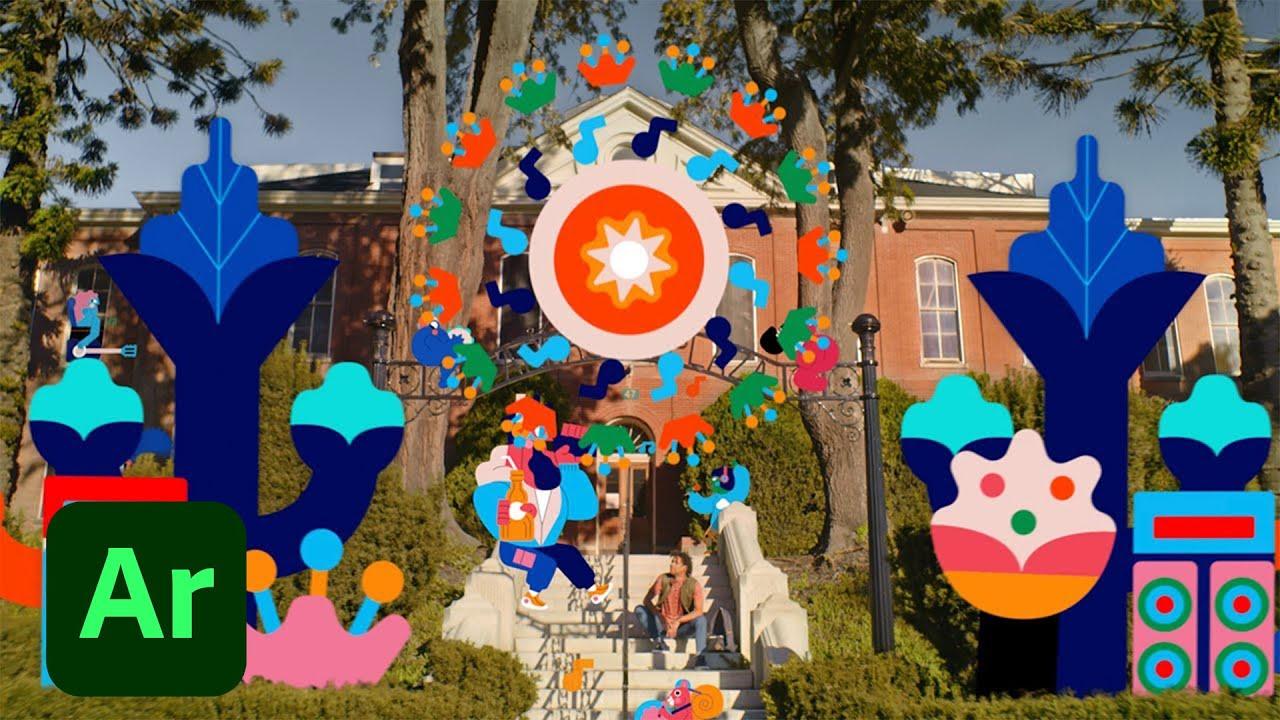
- Virtual Art Galleries:
Artists and curators are using Adobe Aero to create virtual art galleries where visitors can immerse themselves in a world of art from the comfort of their own homes. These galleries offer a unique way to view and interact with artwork, enabling 360-degree exploration of paintings, sculptures, and installations. With Aero, artists can add dynamic elements to their work, such as animations or informational pop-ups, enhancing the viewer's experience.
- Product Prototyping:
Adobe Aero is a game-changer for product designers and developers. It allows them to create interactive prototypes in AR, giving stakeholders a tangible sense of how a product will function in the real world. This has proven invaluable in industries like automotive design, where designers can use Aero to visualize and test out new vehicle concepts.
- Educational Experiences:
Educators are leveraging Adobe Aero to craft engaging educational experiences. For instance, history teachers can recreate historical events in AR, allowing students to step into the past and witness key moments. Biology instructors can use Aero to bring textbook illustrations to life, offering students a deeper understanding of complex biological processes.
- Marketing Campaigns:
Adobe Aero is also finding a place in marketing campaigns. Brands are using AR to create interactive advertisements that captivate their audience. Imagine being able to try on virtual clothing or explore the features of a product from your smartphone. Aero makes this possible, providing a more immersive and memorable way to engage with brands.
- Wayfinding and Navigation:
Aero's capabilities extend to practical uses, such as wayfinding and navigation. Imagine being in a large shopping mall or a sprawling campus and using your AR device to guide you to your destination. Aero can overlay directional arrows, maps, and information about nearby points of interest onto your real-world view, making navigation more intuitive.
- Interactive Storytelling:
Authors and storytellers are using Adobe Aero to create immersive narratives. Whether it's a children's book with animated characters or a multimedia travel journal that takes readers on a virtual adventure, Aero enables storytellers to weave engaging tales in AR.
- Architectural Visualization:
Architects and real estate developers are using Adobe Aero to showcase their projects in an entirely new light. Clients can explore architectural designs in AR, getting a sense of scale, layout, and aesthetics before construction even begins. This not only streamlines the decision-making process but also helps visualize the final result.
- Cultural Preservation:
Museums and cultural institutions are using Aero to preserve and present historical artifacts and heritage sites. By digitizing and recreating objects and locations in AR, they can offer visitors a unique opportunity to explore and learn about cultural treasures that may not be accessible in person.
In conclusion, Adobe Aero has unleashed a wave of creativity across various industries, from art and education to marketing and design. The examples mentioned above represent just a glimpse of the limitless possibilities that Aero offers. As AR technology continues to evolve and become more accessible, we can expect even more groundbreaking and imaginative projects to emerge, further blurring the lines between the digital and physical worlds. Adobe aero examples is not just a tool; it's a gateway to new dimensions of creativity and innovation.