
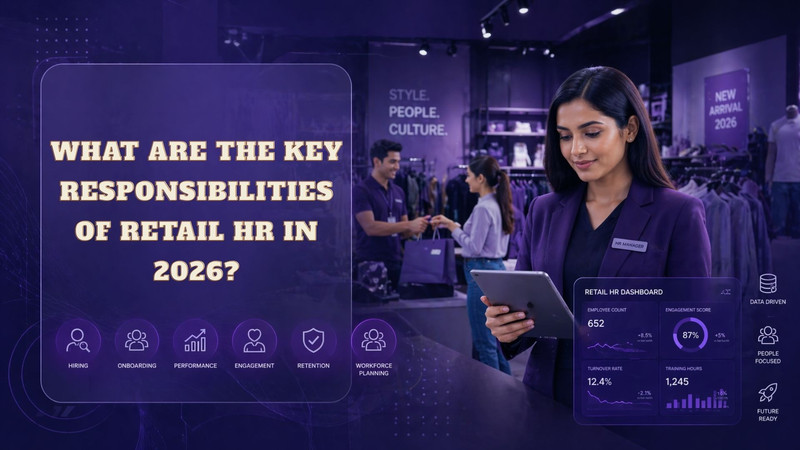
What does it take to manage a fast-paced retail workforce in 2026? The answer goes far beyond hiring and payroll. Today, HR is responsible for creating agile teams, improving employee experience, ensuring compliance, and using data to drive smarter decisions. In a sector defined by high turnover, seasonal demand, and customer-facing roles, HR has become a strategic function that directly impacts business growth.
At its core, retail HR now blends people management with technology, analytics, and culture-building, ensuring stores run efficiently while employees stay motivated and productive.
Talent Acquisition and Workforce Planning
Retail success starts with having the right people in the right roles at the right time. HR teams are now deeply involved in forecasting staffing needs based on sales trends, holidays, and regional demand.
Key responsibilities include:
- Designing fast and scalable hiring processes
- Managing seasonal and part-time workforce needs
- Using AI-driven tools to screen and shortlist candidates
- Building employer branding to attract quality talent
Modern HR teams also focus on reducing time-to-hire while maintaining candidate quality, which is critical in a competitive retail labor market.
Employee Experience and Retention
High turnover has always been a challenge in retail. In 2026, HR focuses heavily on improving the employee journey from onboarding to exit.
Key focus areas:
- Smooth onboarding experiences
- Continuous engagement through feedback loops
- Flexible scheduling for better work-life balance
- Recognition and reward programs
HR teams are now expected to create a workplace where employees feel valued, heard, and motivated to stay longer.
Training, Upskilling, and Development
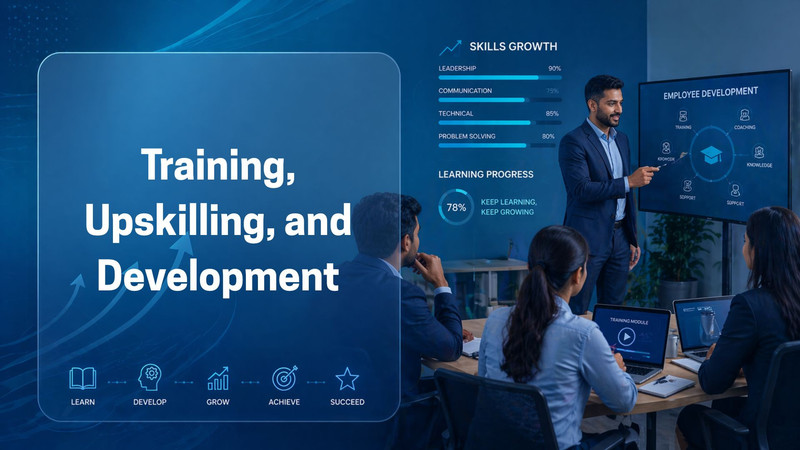
Retail roles are evolving rapidly in response to digital transformation. Employees must adapt to new tools like POS systems, inventory software, and customer engagement platforms.
HR responsibilities include:
- Designing role-specific training programs
- Providing microlearning and mobile-based training
- Upskilling employees in customer service and digital tools
- Preparing staff for leadership roles
Continuous learning is no longer optional; it’s essential for both employee growth and business competitiveness.
Compliance, Policies, and Risk Management
Retail businesses operate across multiple locations, making compliance a complex task. HR ensures adherence to labor laws, safety standards, and company policies.
About midway through operations planning, HR must also address risks such as a data breach, especially as employee and customer data are increasingly stored digitally. This includes:
- Implementing data protection policies
- Training employees on cybersecurity awareness
- Ensuring compliance with privacy regulations
A proactive approach helps prevent legal issues and protects brand reputation.
Performance Tracking and Productivity Optimization
Retail businesses thrive on measurable outcomes, sales targets, customer satisfaction, and operational efficiency. HR plays a key role in aligning employee efforts with business goals.
Core responsibilities:
- Setting clear KPIs for store staff
- Monitoring attendance and productivity
- Conducting regular evaluations
- Providing actionable feedback
A structured approach to performance management helps identify top performers, address gaps, and improve overall store performance. It also ensures employees understand expectations and feel supported in achieving them.
Technology Integration in HR Processes
In 2026, HR is heavily driven by technology. Automation reduces manual work and allows HR professionals to focus on strategy.
Common tools and systems:
- Workforce management platforms
- Attendance and scheduling software
- Payroll automation systems
- Employee self-service portals
Solutions like EmpCloud help retail businesses streamline HR operations, improve transparency, and enhance decision-making through real-time data insights.
Building a Strong Workplace Culture
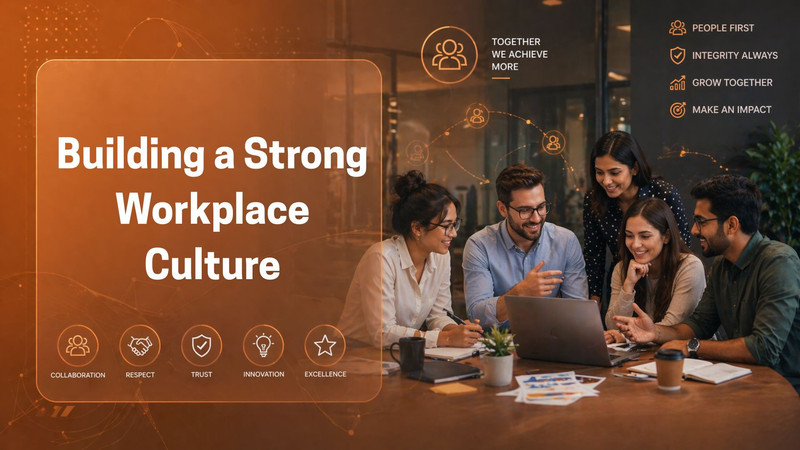
A positive work environment directly impacts customer experience.
HR contributes by:
- Promoting inclusivity and diversity
- Encouraging open communication
- Creating team-driven environments
- Supporting employee well-being initiatives
Happy employees lead to better customer interactions, which ultimately drives sales and brand loyalty.
Data-Driven Decision Making
HR decisions are now backed by analytics rather than intuition. HR teams use data to improve hiring, retention, and productivity.
Examples:
- Analyzing turnover trends
- Measuring employee engagement levels
- Tracking training effectiveness
- Forecasting staffing needs
Data empowers HR to move from reactive problem-solving to proactive strategy building.
Also, watch this video - HR Strategies? LEAKED. ? EmpCloud Podcast: Ep 1 Loading
Conclusion
In 2026, HR retail is no longer limited to administrative tasks; it plays a central role in shaping business success. From hiring the right talent to leveraging analytics and improving employee experience, HR has become a growth driver for retail organizations.
To manage these responsibilities effectively, businesses are increasingly relying on advanced HR software for retail that automates processes, improves accuracy, and enhances workforce visibility.
FAQ Section
Q1. What is the main role of retail HR?
Retail HR focuses on managing employees, improving engagement, ensuring compliance, and supporting business goals through effective workforce strategies.
Q2. Why is employee retention important in retail?
High turnover increases hiring costs and disrupts operations. Retention ensures stability, better customer service, and improved productivity.
Q3. How does technology help retail HR?
Technology automates repetitive tasks, provides real-time data insights, and improves efficiency in hiring, payroll, and performance tracking.
Q4. What skills are essential for retail HR professionals in 2026?
Key skills include data analysis, communication, adaptability, tech proficiency, and strategic thinking.