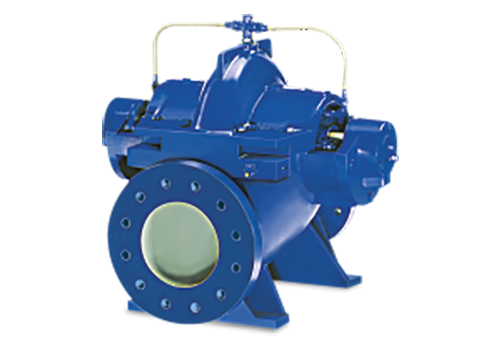
In the world of industries, smooth and efficient fluid handling is essential for operations to run safely and reliably. Whether it is water treatment, power generation, or large manufacturing plants, moving large volumes of liquid efficiently is a challenge. This is where a split casing pump comes into play. Known for its durability, high performance, and ease of maintenance, it has become a key component in many industrial setups.
What is a Split Casing Pump?
A split casing pump is a type of centrifugal pump where the casing is split horizontally. This design makes it easier to access the internal parts of the pump, such as the impeller and bearings, without removing the entire pump from the pipeline. This is especially useful in industries where downtime can cost a lot of money.
Key Features
- Easy Maintenance : The horizontal split design allows maintenance teams to inspect, repair, or replace parts quickly without shutting down the entire system. This saves time and reduces operational disruptions.
- High Efficiency : These pumps are designed to handle large volumes of fluid with minimal energy loss. Their smooth flow design ensures that fluid moves efficiently through the system, reducing wear and tear.
- Durability : Built from high-quality materials, these pumps are designed to withstand heavy-duty industrial operations. They can handle fluids at high pressures and temperatures, making them reliable for demanding applications.
- Smooth Operation : The design of the pump ensures stable operation with minimal vibration or noise. This not only improves performance but also enhances workplace safety and comfort.
Why Industries Prefer These Pumps
Industries rely on split casing pumps for several reasons:
- Large Flow Handling: These pumps are ideal for moving large volumes of water or other fluids.
- Reduced Downtime: Easy access for maintenance minimizes downtime, keeping operations smooth.
- Energy Savings: High efficiency means less electricity consumption, saving costs over time.
- Reliability: Durable design ensures long-lasting performance even under tough conditions.
Common industries that use these pumps include power plants, water treatment facilities, chemical plants, oil and gas industries, and large manufacturing units.
How Split Casing Pumps Work
The operation of the pump is simple yet effective. Fluid enters through the suction side, where the impeller adds energy to it. The centrifugal force pushes the fluid outward into the volute casing, which guides it smoothly to the discharge side. The horizontal split allows technicians to inspect or replace the impeller and other internal parts without disassembling the whole system.
This smooth flow design reduces turbulence and friction, making the pump more efficient and long-lasting.
Benefits of Choosing a High-Quality Split Casing Pump
- Lower Maintenance Costs
Because parts are easily accessible, maintenance is quicker and less expensive. - Energy Efficiency
Advanced designs reduce energy use, saving money and being better for the environment. - Longer Lifespan
Durable materials and smooth operation reduce wear and tear, so the pump lasts longer. - Reliable Performance
High-quality pumps maintain consistent flow and pressure, which is essential for industrial operations. - Versatility
They can handle a variety of liquids, including clean water, chemicals, and cooling fluids.
Trusted for Advanced Pump Solutions
For industries looking for a reliable partner, a benchmark has been set in delivering high-quality pumps. These pumps are designed for maximum efficiency, durability, and ease of maintenance, making them suitable for a wide range of industrial applications.
Whether it is a water treatment facility or a power plant, industries can benefit from smooth performance and minimal downtime with these pump solutions.
Choosing the Right Split Casing Pump
When selecting a pump, consider the following:
- Flow Rate: Determine how much fluid you need to move per hour.
- Pressure Requirements: Check the operating pressure for your system.
- Fluid Type: Some fluids may be corrosive or abrasive, requiring specific materials.
- Maintenance Needs: Ensure the pump design allows easy access for inspection and repair.
- Efficiency Ratings: Higher efficiency reduces energy costs and operational expenses.
By keeping these factors in mind, industries can select a pump that meets their needs and provides long-term reliability.
Tips for Maintaining Your Pump
Proper maintenance is key to ensuring the pump performs well for years:
- Regular Inspections: Check for leaks, unusual noises, and wear.
- Lubrication: Keep bearings and moving parts properly lubricated.
- Clean Fluids: Avoid pumping fluids with debris that can damage the impeller.
- Monitor Performance: Track flow rates and pressure to detect issues early.
Following these simple steps can prevent major problems and extend the life of your pump.
Conclusion
A high-quality pump is essential for industries that require smooth, efficient, and reliable fluid handling. With features like easy maintenance, energy efficiency, and durability, these pumps are an investment that pays off over time.
For industries seeking long-lasting performance and minimal downtime, advanced solutions from trusted Polypropylene Pump Manufacturers are available that meet the highest standards of modern industrial operations.
Upgrade your industrial operations today with a durable, high-performance split casing pump. Contact JEE PUMPS now to find the perfect solution for your fluid handling needs.