

Healthy vision is often compromised among patients suffering from advanced eye diseases, for whom, looking for solutions far & wide also becomes difficult.
Treating such conditions, and importantly, diagnosing them firsthand and earlier, are a few responsibilities that an optician cannot fulfill.
Such conditions namely glaucoma or diabetic retinopathy are severe, and they require intensive care. Thus, you have only one option: visit an eye doctor. Great. But, just where can you find them?
Primary Eye Care Professionals: Optometrists or Ophthalmologists?
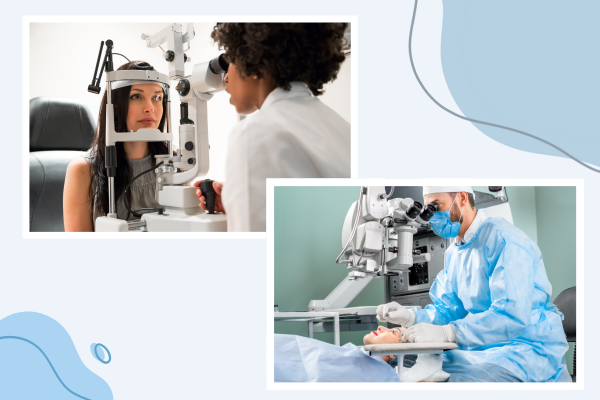
A common misconception is that all eye care professionals are the same or equally qualified to solve or detect all eye conditions. Naturally, this myth has harmed more people who might've instead obtained the right solution on time and saved themselves some hassle.
Still, it's easier now to look for either of these eye care practitioners near you using your smart devices. Just know that an optometrist near you would only help you so far as getting prescription glasses made, checking eye health, and detecting early signs of eye diseases.
The ophthalmologists, on the other hand, have comprehensive knowledge and hands-on experience in performing eye surgeries. Such professionals can also suggest and perform advanced eye treatment options that can solve vision problems. But, you must also check for their credibility.
Often ophthalmologists are usually members of the hospital's medical staff. So, visiting your nearest government or private hospital should provide you with the faculty to diagnose, and detect your eye condition. A general rule of thumb here is to visit for an eye check-up every three months or so.
What if You Don’t Have Healthcare or Insurance?

Typically, people who experience vision problems would initially visit an optician, which is good because they can identify most vision problems. After successful identification, if a disease is caught developing, they could recommend you to either an ophthalmologist or optometrist directly.
Depending on the diagnosis, it's best to ask them questions about your eye condition and its criticalness before you meet up with either professional. Since it won’t cost too much for such a consultation, your next step is mandatorily visiting an ophthalmologist or an optometrist nearby.
Upon visiting them, you can learn from them which medical procedures would be necessary, and what will be the outcomes and or side effects. Simultaneously, they may also instruct you about the healthcare you can take to lessen the immediate cost of eye care medical procedures.
What if You Can't Buy Healthcare or Insurance?
In circumstances where you cannot arrange for funds, the ophthalmologist can help you by discussing your condition with the board. Please note that this is not a guarantee to obtain the treatment free of cost. Based on the eye disease, and of course the patient history, there can be some ways to acquire it in alternate but recognized payment methods.
Lastly, when you are eligible to obtain eye treatment, getting admitted for the duration of the procedure will be inevitable.
Eye Care is Crucial for a Healthier Lifestyle
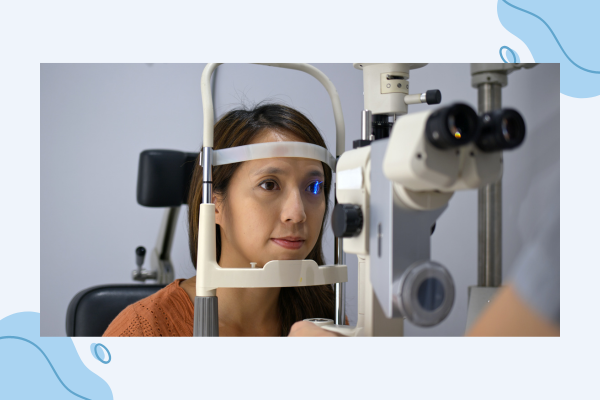
Conditions such as stress, headaches, migraines, etc commonly share the symptoms of having bad eye health. To curb the loss of vision or to prevent your vision from deteriorating, it's best recommended to get eye checkups frequently. Furthermore, you can trust any eye care professional with a valid medical practice license.
So do look out for credentials and practice records before you sign up for packages that offer regular eye checkups at a low cost.