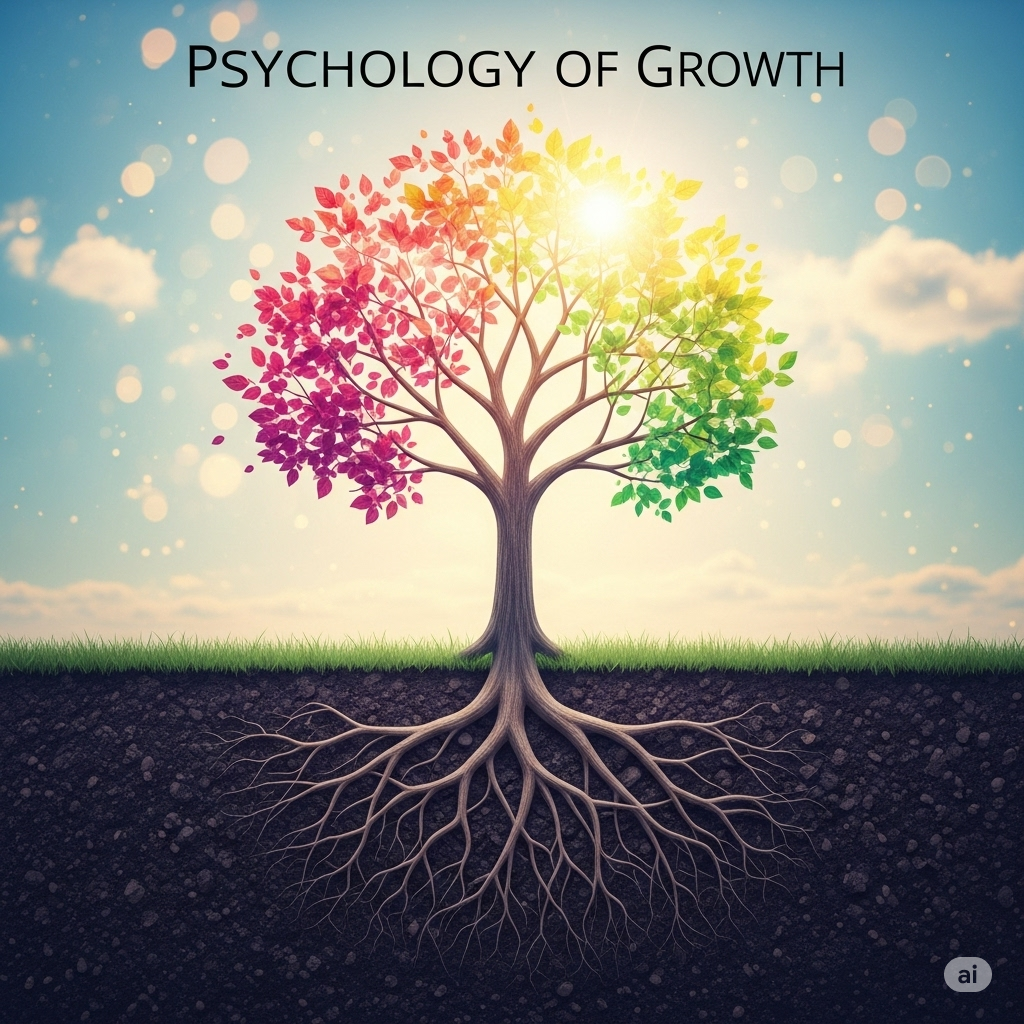
Welcome to Zoechea Academy, where we believe in fostering not just knowledge, but also personal growth and well-being. In this article, we delve into the fascinating realm of the Psychology Of Growth, exploring the principles and practices that empower individuals to reach their full potential.
The Foundations of Growth Psychology
Growth psychology, also known as positive psychology, shifts the focus from mental illness and deficits to understanding and promoting human flourishing, strengths, and well-being. It emphasizes the inherent capacity of individuals to learn, adapt, and grow throughout their lives.
Key Principles of Growth Psychology:
- Human Potential: Individuals possess the innate ability to develop their talents and skills.
- Self-Actualization: The drive to become the best version of oneself is a fundamental human motivation.
- Resilience: The capacity to bounce back from adversity is crucial for continued growth.
- Positive Emotions: Cultivating joy, gratitude, and optimism fuels personal development.
- Meaning and Purpose: Finding significance in life contributes to overall well-being and growth.
Core Concepts in the Psychology Of Growth
Several key concepts underpin the psychology of growth, providing a framework for understanding how individuals evolve and develop.
1. Growth Mindset vs. Fixed Mindset
Popularized by psychologist Carol Dweck, this concept highlights the impact of our beliefs about our abilities:
- Growth Mindset: Believing that intelligence and abilities can be developed through dedication and hard work. Individuals with a growth mindset embrace challenges, persist through obstacles, see effort as the path to mastery, learn from criticism, and find inspiration in the success of others.
- Fixed Mindset: Believing that intelligence and abilities are static traits. Individuals with a fixed mindset avoid challenges, give up easily, see effort as fruitless, ignore useful negative feedback, and feel threatened by the success of others.
Cultivating a growth mindset is fundamental for continuous learning and personal development.
2. Self-Efficacy
Coined by Albert Bandura, self-efficacy refers to an individual's belief in their capacity to execute behaviors necessary to produce specific performance attainments.
- High self-efficacy leads to greater confidence in tackling challenging tasks and persisting in the face of difficulties.
- Low self-efficacy can result in avoidance of challenges and a tendency to give up easily.
Building self-efficacy through mastery experiences, vicarious experiences, verbal persuasion, and managing emotional and physical states is crucial for growth.
3. Resilience
Resilience is the ability to adapt well in the face of adversity, trauma, tragedy, threats, or significant sources of stress. It is not about avoiding hardship, but about navigating through it and emerging stronger.
Factors Contributing to Resilience:
- Strong social support networks
- Positive self-view
- Effective coping mechanisms
- Meaning-making after adversity
- Optimism and hope
Developing resilience is essential for navigating the inevitable challenges on the path of growth.
4. Emotional Intelligence
Emotional intelligence (EI) is the ability to understand and manage your own emotions, and to understand and influence the emotions of others. It encompasses:
- Self-awareness: Recognizing your own emotions and their impact.
- Self-regulation: Managing your emotions effectively.
- Social awareness: Understanding the emotions of others (empathy).
- Relationship management: Building and maintaining healthy relationships.
Higher emotional intelligence facilitates better communication, conflict resolution, and overall personal and professional growth.
5. Goal Setting and Achievement
Setting meaningful and achievable goals provides direction and motivation for growth. Effective goal setting involves:
- Specificity: Clearly defining what you want to achieve.
- Measurability: Establishing criteria for tracking progress.
- Achievability: Setting realistic goals.
- Relevance: Ensuring goals align with your values and aspirations.
- Time-bound: Setting a deadline for achieving your goals.
The process of working towards and achieving goals fosters a sense of accomplishment and fuels further growth.
Fostering Your Psychological Growth with Zoechea Academy
At Zoechea Academy, we believe in providing the resources and support you need to cultivate your psychological growth. Here are some ways to nurture your development:
- Embrace Challenges: View difficulties as opportunities for learning and growth.
- Cultivate a Growth Mindset: Believe in your ability to learn and improve.
- Practice Self-Compassion: Treat yourself with kindness and understanding, especially during setbacks.
- Seek Feedback: Actively solicit constructive criticism to identify areas for improvement.
- Develop Your Emotional Intelligence: Practice self-awareness, self-regulation, empathy, and social skills.
- Set Meaningful Goals: Identify your values and aspirations and set goals that align with them.
- Build Resilience: Develop coping mechanisms and seek support during challenging times.
- Engage in Lifelong Learning: Continuously seek new knowledge and experiences.
- Connect with Others: Build strong and supportive relationships.
- Practice Mindfulness: Pay attention to the present moment without judgment.
Conclusion
The psychology of growth offers a powerful framework for understanding and facilitating personal development. By embracing key principles like growth mindset, self-efficacy, resilience, emotional intelligence, and effective goal setting, individuals can unlock their full potential and lead more fulfilling lives. At Zoechea Academy in Bengaluru, we are committed to guiding you on this transformative journey of psychological growth. Join us as we explore the exciting possibilities of who you can become.