
Lions have more Stamina. Some records of the lung capacity (and heart sizes) of the lion and tiger, with info upon thyroid and adrenal glands and better RBC as well.
Lion and tiger lung and heart size:
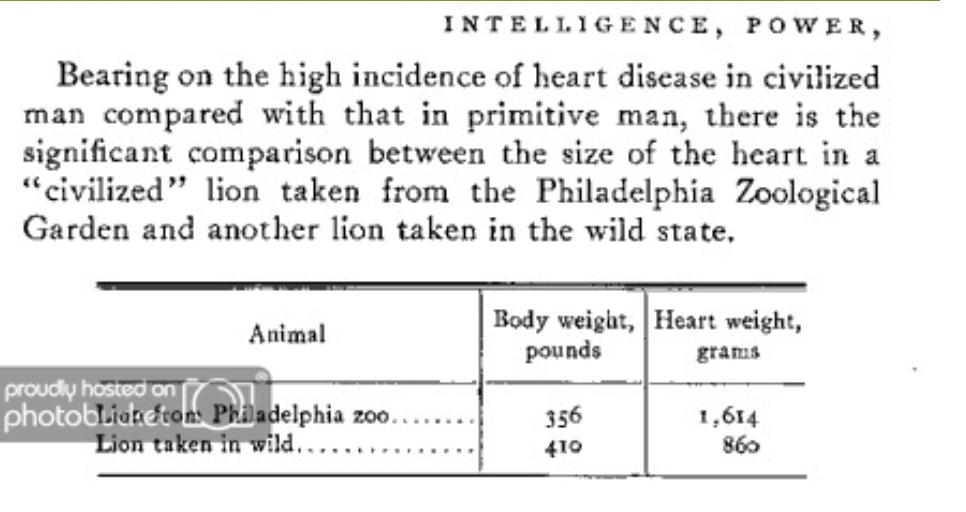
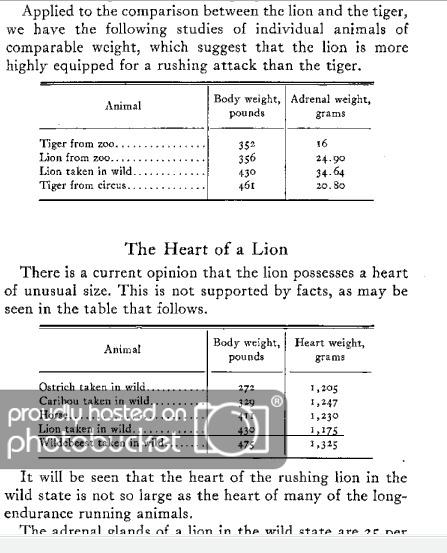
~ Intelligence, power, and personality, by George Washington Crile
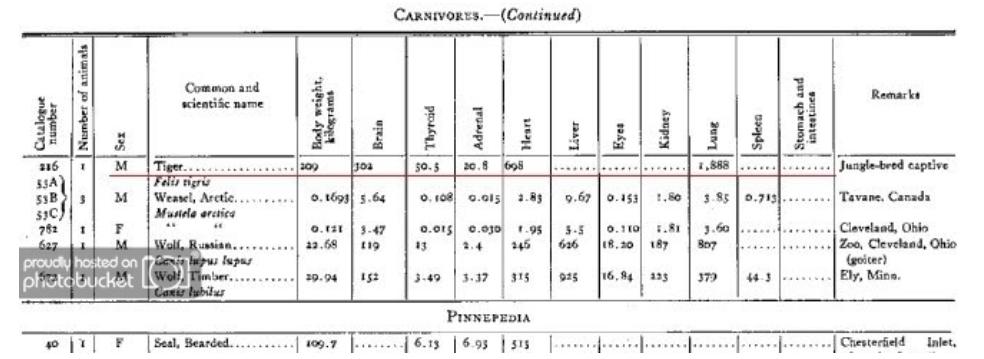
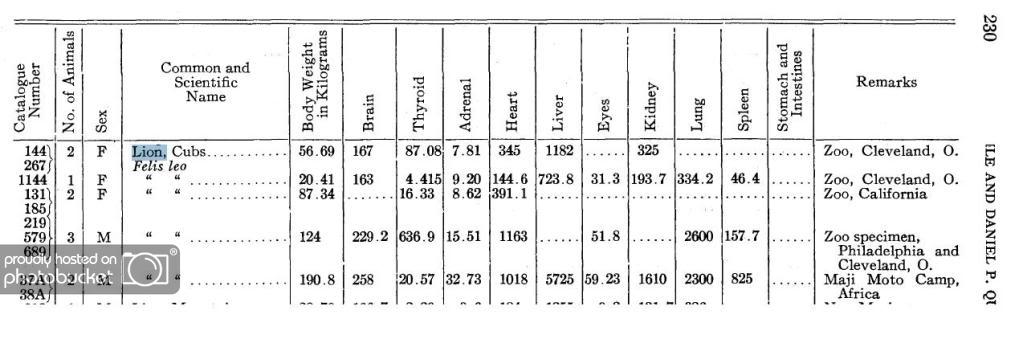
~A RECORD OF THE BODY WEIGHT AND CERTAIN ORGAN AND GLAND WEIGHTS OF 3690 ANIMALS GEORGE CRILE, M. D. (pdf document)
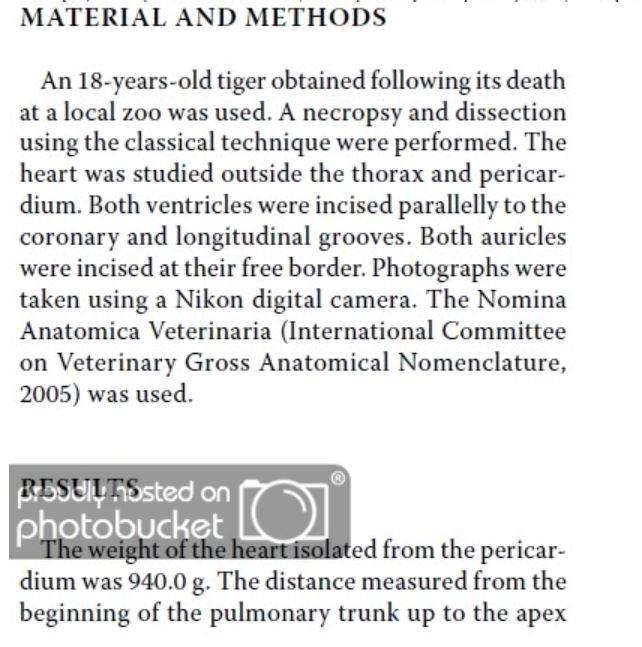
~Brief description of the cardiac anatomy in a tiger (Panthera tigris, Linnaeus, 1758): a case report W. Perez, M. Lima (pdf document)
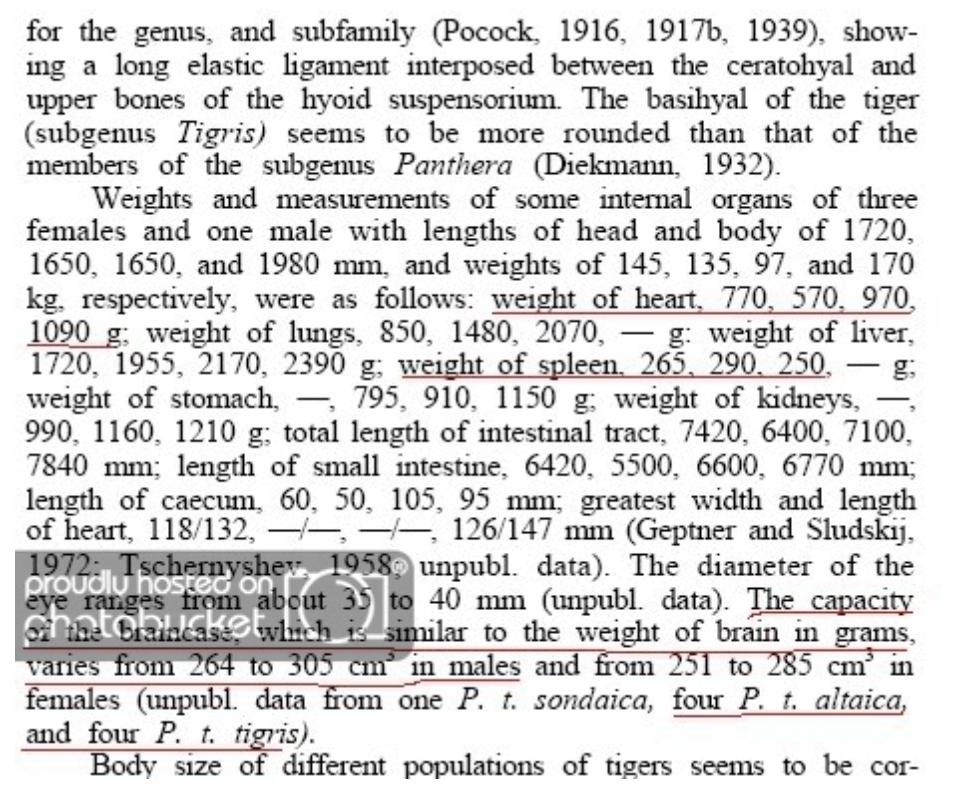
~ Mammals of the soviet union, Vladistav Mazak

~ Philip L. Altman, Dorothy Dittmer Katz, Rudolph M. Grebe, 1958, "Handbook of respiration", Page 22-23
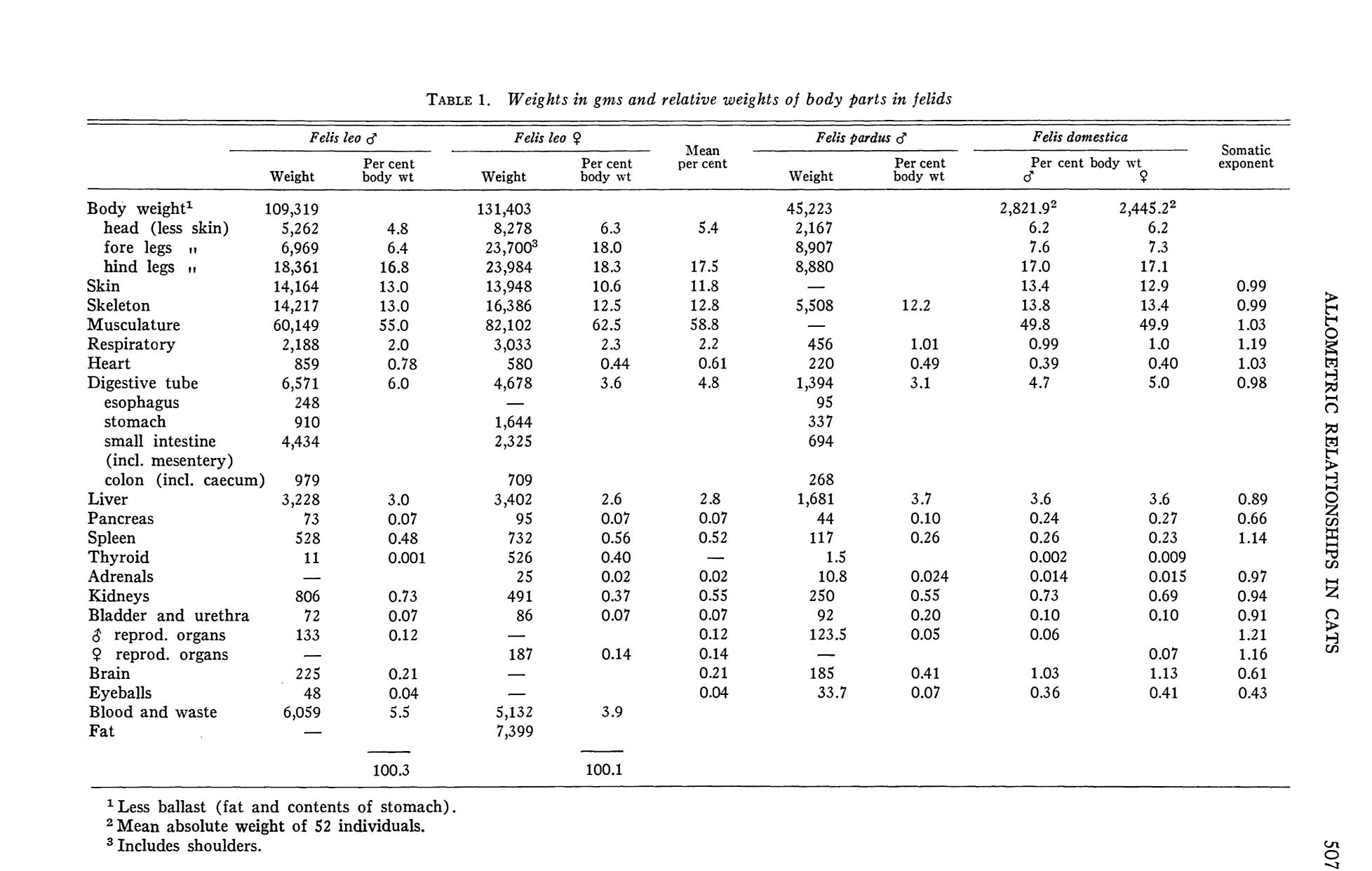
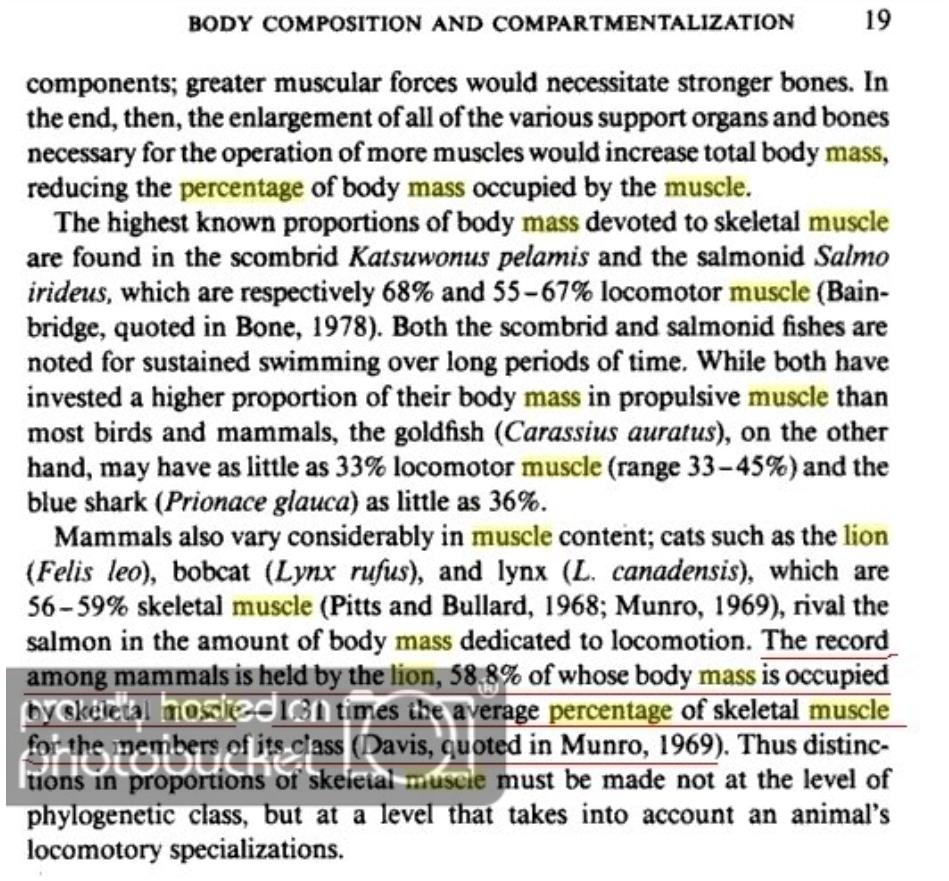
(Source mentioned in the second link. these two lions (who were ill) were also the record holders for the muscle percentage(58.8% of all mammals and therefore have a higher muscle percentage than tigers )
There's also some data on the RBC count:
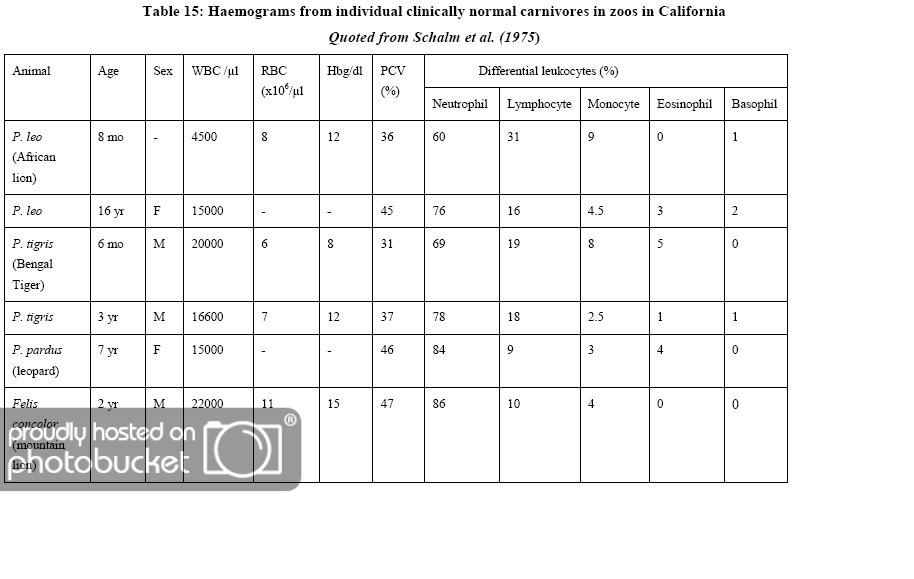 (Source at the top)
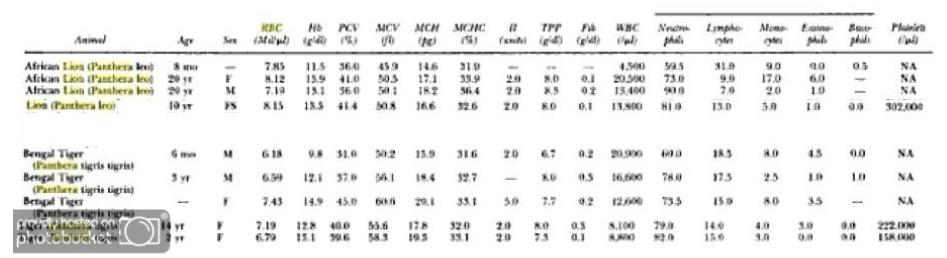
~Nemi Chand Jain, 1993, "Essentials of veterinary Hematology", Page 59-60
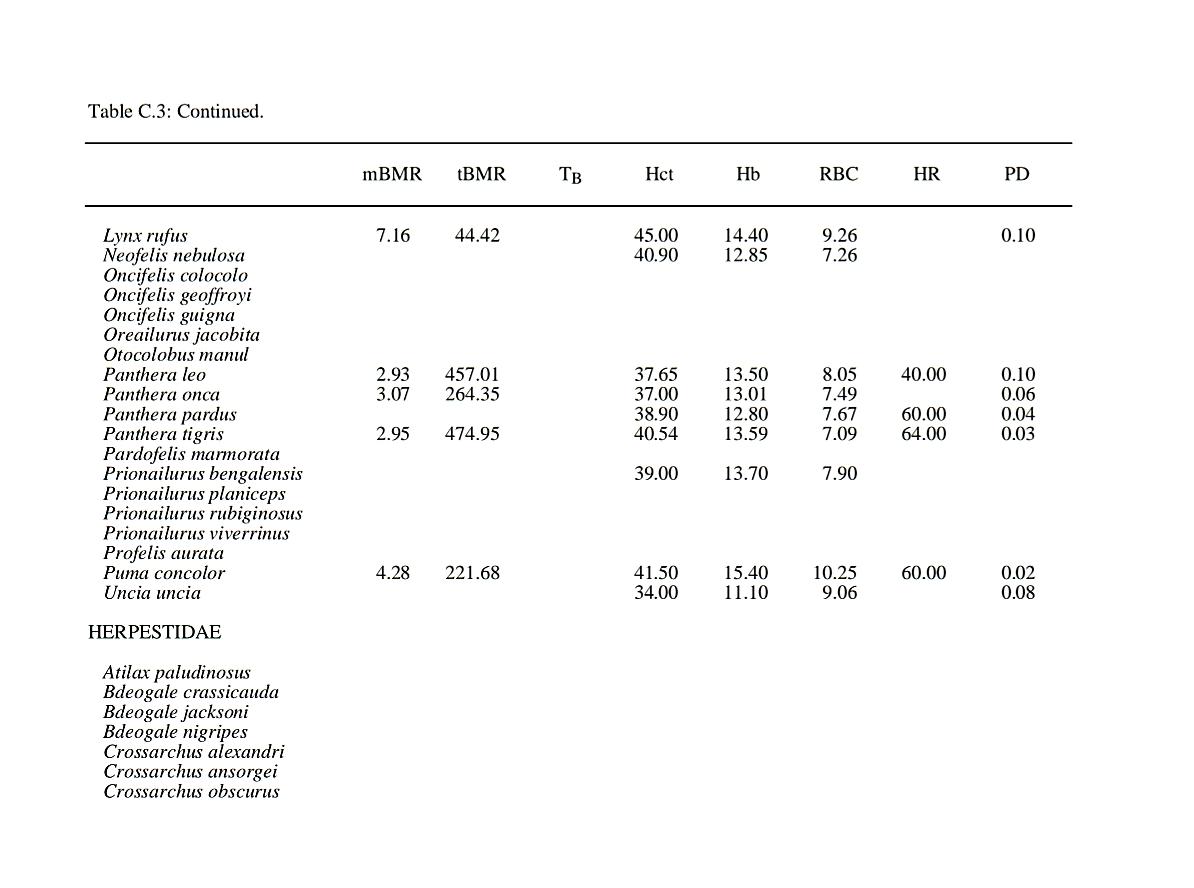 ~ https://cutt.ly/Me6KNxH.... page 326
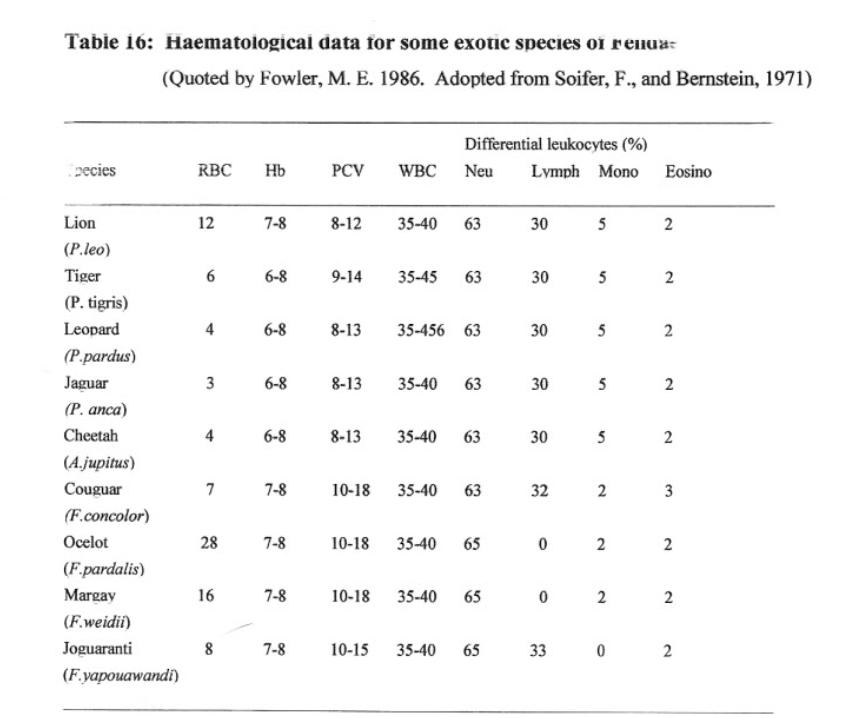
(Here I don't know the source any more but the lions came from the "Queen Elizabeth National Park" and seem to be wild. It can be found several times if you just search for it.) Here: http://www.zoosprint.org/ZooPrintJournal/2006/July/2321.pdf
Look at this:
"The average PCV value was 52.12, which is much above the normal values, and this is further attributed to the feeding pattern and dehydration, in similar lines with Hb concentration." And indeed that's true. Pcv is the hematocrit, which is the percentage of red blood cells in the blood. Usual values are 37-39%, but more than 52% - that's completely abnormal. Reasons were described. Actually that's comparable with a 250 kg tiger with 60 kg fat. Subtract about 37% of the 52.12% and you got 38% and an RBC of 6.4 which seems to be a normal value for tigers, according to the other studies.
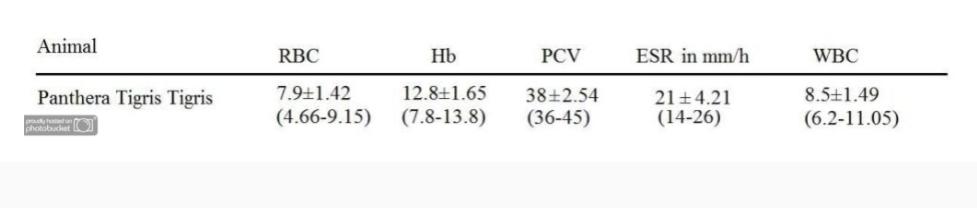
~Haematological and biochemical studies in tigers (Panthera tigris tigris)
(I excluded a study on Barbary lions as they don't exist in the wild any more. The RBC count was 10.14 but they also got exceptional Hct values, so after "correcting" that they got a value of 8.31.)
Conclusion
Here's some regression analysis I did. X is body weight while Y is heart/lung weight. I came to the following equations - on lion heart size: Y=-2000.076+611.00367*ln X (For X I took 191.5kg to get the heart size for average lions - as far as I know that's the average of [nearly]all populations together. If this is an antiquated average, just tell me and I'll change it). The result I got with this equation is that the lion's heart would weigh 1.270g on average. For lung size I calculated the following formula: Y=174.4153+454.0276*ln X. X is again 197kg for the Phantera Leo Melachonaita. So the average weight of an average lion's lungs would be 2.726,6g. I also did the same for tigers, though I have to admit that the data is very limited and I had to mix siberian tiger and bengal tiger. So, the results are uncertain... However, here's the formulas I calculated - on tiger heart size: Y=10837.6246-1897.9759*ln X. X is 200 kg in this case, as this is nearly exactly the average weight of all bengal tiger populations together. The result was that the average tiger would have a heart weighing 783g. For lung size I calculated the following formula: Y=4296.833-476.548*ln X. The result was that on average a tiger would have lungs weighing 1.775,64g. I used the following data for lions (Body weight/lung weight/ heart weight): (161.52kg/1614g/2600g), (117.37kg/713g/-), (94.86kg/743.2g/1580g), (126.08kg/1078g/3838g), (195.4kg/1175g/2000g), (186.36kg/860g/2600g), (128.2kg/-/2090g), (109.319kg/859g/2188g) and for tigers: (209kg/1888g/698g), (-/-/940g), (170kg/2070g/1090g) and (184kg/1454g/-). When comparing heart and lung weights of lions and tigers (I took the averages I got from my formulas) I got the following: The lion has a 51.61% bigger heart and 43.41% bigger lungs.
I would conclude that the lion has better stamina.