
Scapula Shape Index :
It's scapula width/Forelimb length(humerus +radius+metacarpal III) ratio. Higher score indicates greater muscle attachement on the shoulder joint such as supraspinatus,infraspinatus, subscapularis, as well as greater ability to make certain movements like full-functional upper extremity movement including protraction, retraction,elevation, depression, upward rotation,and downward rotation all else being equal.
P.Atrox : 22%
P.Tigris : 28%
Edge : P.Tigris
Scapula Length Index :
Scapula length divided by Forelimb length (humerus +radius+metacarpal III).Higher score Indicates exertion of greater force from the Forelimb.
P.Atrox : 31%
P.Tigris : 33%
Edge : P.Tigris
SMI :
Deltopectoral crest length divided by humerus length. Higher score Displays greater mechanical advantage of deltoid and pectoral muscles at the shoulder joint.
P.Atrox : 62%
P.Tigris : 58%
Edge : P.Atrox
HRI :
It is humerus mediolateral diameter at mid-shaft/humerus length. Robust forelimb bones protect the animal from violent stresses during grappling.
P.Atrox : 10%
P.Tigris : 9%
Edge : P.Atrox
HRI2 :
It is humerus anteroposterior diameter at mid-shaft/humerus length. Robust forelimb bones protect the animal from violent stresses during grappling.
P.Atrox : 16%
P.Tigris : 11%
Edge : P.Atrox
KCC :
values closer to 100% signify relatively thinner cortical bone and values closer to 0% signify relatively thicker cortical bone.
P.Atrox : 59%
P.Tigris : 60%
Edge : P.Atrox
KML :
values closer to 100% signify relatively thinner cortical bone and values closer to 0% signify relatively thicker cortical bone.
P.Atrox : 48%
P.Tigris : 54%
Edge : P.Atrox
CA/LENGTH :
This measure is used to estimate aspects of long bone strength in axial compression.
P.Atrox : 298%
P.Tigris : 278%
Edge : P.Atrox
HCMI :
Often-used variable in analyses of bone strengths in locomotion. The higher the ratio is, the thicker the Humeral bone is.
P.Atrox : 49%
P.Tigris : 47%
Edge : P.Atrox
HCMI2 :
It is Humeral least circumference/articular length Often-used variable in analyses of bone
strengths in locomotion. The higher the ratio is, the thicker the Humeral bone is.
P.Atrox : 29%
P.Tigris : 30%
Edge : P.Tigris
HEI :
The HEI index measures the relative size of wrist stabilizing muscles and well as several grasping muscles in area which facilitate prey grasping such as m. pronator teres, m.extensor carpi radialis, m. extensor carpi ulnaris, m. flexor carpi radialis,m.flexor carpi ulnaris m. extensor digitorum communis, m. extensor digitorum lateralis, m.flexor digitorum superficialis, m. palmaris longus,and m. flexor digitorum profundus. These muscles also likely help stability, pushing, and agility when legs are on ground.
P.Atrox : 27%
P.Tigris : 27%
Edge : Draw
HTI :
It's Humeral trochlear length/Humeral length.Higher score increases muscle attachement on the elbow joint and allows for more ulnohumeral flexion and extension.
P.Atrox : 20%
P.Tigris : 18%
Edge : P.Atrox
HDW:
A more negative PC1 score Indicates a broader humeral distal end which is correlated with resistance to stresses at the elbow joint.A broader end also increases muscle attachement.
P.Atrox : exact value unknown
P.Tigris : exact value unknown
Edge : P.Atrox
Brachial Index :
This measures radius length/humerus length. Lower scores in this ratio indicate greater forelimb muscle mechanical advantage and results in stronger muscles all else being equal.
P.Atrox : 91%
P.Tigris : 86%
Edge : P.Tigris
Forelimb Proportion Index :
Length of proximal forelimb relative to length of distal forelimb ((Scapula length + Humerus length)/(Radius length + Metacarpal length)).Higher score Indicates greater degree of morphological specialization for producing large out-forces in the forelimb.
P.Atrox : 132%
P.Tigris : 148%
Edge : P.Tigris
OI :
This metrics estimates tricep muscle strength. High values indicate greater ability to push with arms all else being equal. This helps a grappling cat hold prey and also helps a canid push and knock down an opponent. In addition, higher values may indicate greater stability and ability to change direction in a fight as well as greater relative mechanical advantage of the triceps brachii and dorsoepitrochlearis muscles used in elbow extension.
P.Atrox : 23%
P.Tigris : 26%
Edge : P.Tigris
URI :
This measures ulna anteroposterior diameter at midshaft divided by ulna length. As mentioned above for humerus robusticity, a robust ulna resists stresses on bones during fights and increases resistance to bites to the forelimbs.
P.Atrox : 10%
P.Tigris : 10%
Edge : Draw
RRI :
This measures radius mediolateral diameter at midshaft divided by radius length. As mentioned above for humerus robusticity, a robust radius resists stresses on bones during fights and increases resistance to bites to the forelimb.
P.atrox : 11%
P.Tigris : 9%
Edge : P.Atrox
RRI2:
This measures radius anteroposterior diameter at midshaft divided by radius length. As mentioned above for humerus robusticity, a robust radius resists stresses on bones during fights and increases resistance to bites to the forelimbs.
P.Atrox : 7%
P.Tigris : 8%
Edge : P.Tigris
RCMI :
Often-used variable in analyses of bone strengths in locomotion. The higher the ratio is, the thicker the radial bone is.
P.atrox : 34%
P.Tigris : 30%
Edge : P.Atrox
PAW :
This is a measurement of paw width on forelimbs and gives us an idea of how well-paws are designed to hold prey. In addition, relatively wider paws likely increase stability while feet are on ground.
P.Atrox : 86%
P.Tigris : 80%
Edge : P.Atrox
MCP :
proximal phalanx to metacarpal ratio, higher scores offer increased surface area for grasping and grappling and greater relative proportions of proximal and distal elements of the manus and size of the palmar surface.
P.Atrox : 49%
P.Tigris : 49%
Edge : Draw
Studies Used For The Above Comparison :
https://www.ijcmas.com/abstractview.php?ID=1437&vol=6-2-2017&SNo=61
https://datadryad.org/stash/dataset/doi%253A10.5061%252Fdryad.h58q6
https://www.researchgate.net/publication/7531697_Body_size_ofSmilodon_Mammalia_Felidae
https://onlinelibrary.wiley.com/doi/abs/10.1111/evo.12904
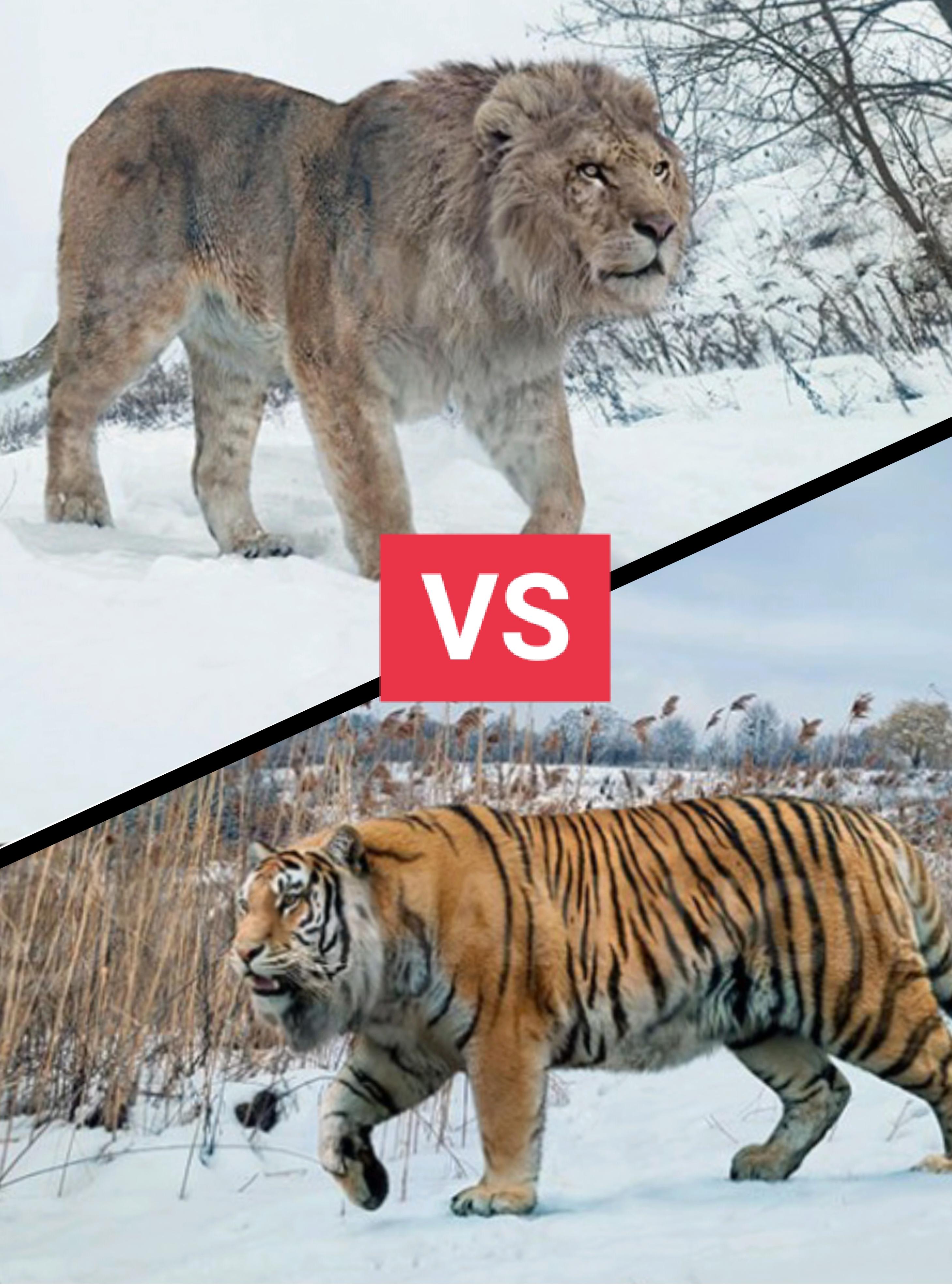
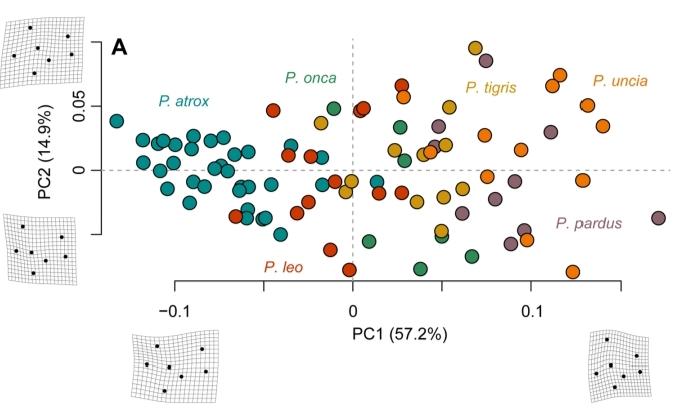
The Tiger is often considered the Largest And Strongest Cat Alive but how would it fare against the Extinct American Lion ? As you can see,the Latter had relatively Stronger Deltoids,with proportionally more robust humeri,longer trochleas,broader distal ends,thicker radii which would reinforce the muscles that are attached to the Epicondyles as well as wider Paws whereas the Tiger has relatively wider,longer scapulae with longer olecrana,shorter forelimbs and greater forelimb proportions. Additionally, when considering that Modern Lions actually have somewhat relatively stronger backs due to owning greater relative height of the thoracolumbar centra (section B),Wider, craniocaudally shorter lumbar processes (Negative PC1 and PC2 scores) as well as slightly longer neutral spines of the thoracic vertebrae(section C) while the Tiger simply has overall relatively wider thoracal processes (section D) , as well as more perpendicular lumbar processes (positive PC1 score) as per these graphs :
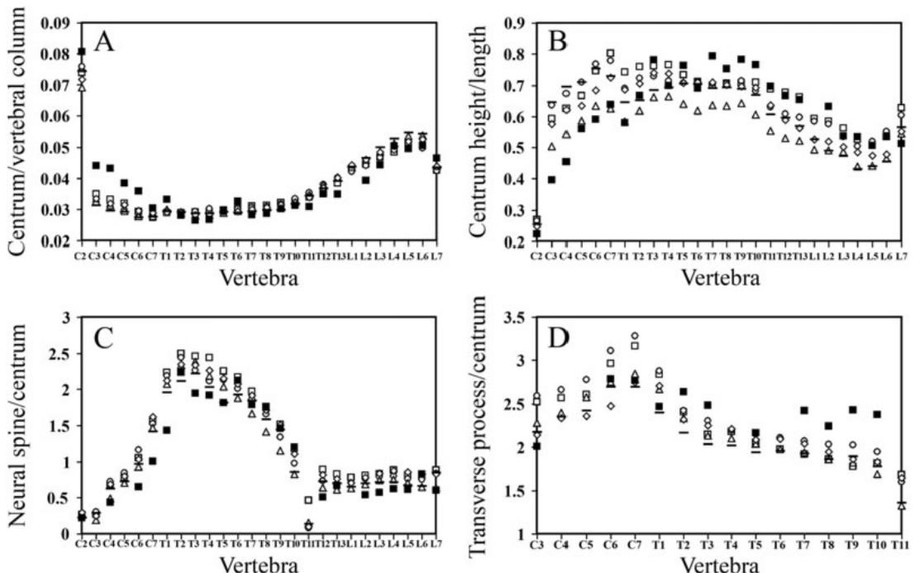
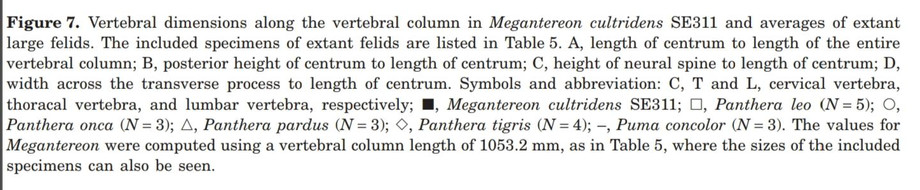
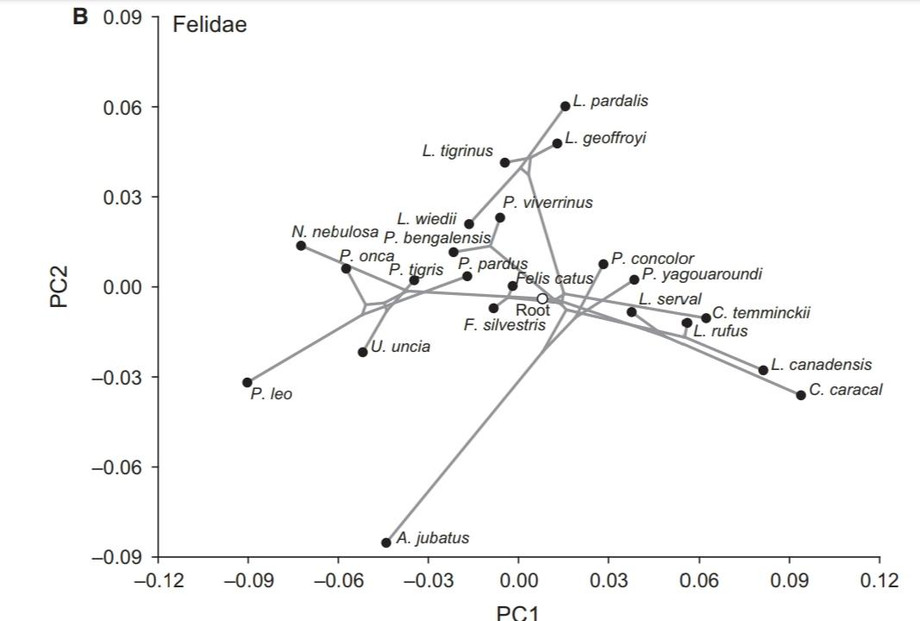
https://academic.oup.com/biolinnean/article/116/3/721/2440504
It seems plausible to argue that American Lions may have had even relatively stronger backs than Tigers as they were proportionally more robust than Modern Lions. Overall,Atrox did seem to have considerable chances of defeating a Tiger of similar size. It's worth mentioning that any physical advantage that the Tiger has wouldn't matter in real life as the American Lion averaged around 260 kg by combining these weight figures :
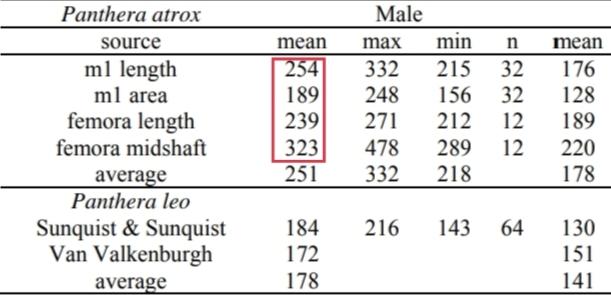 https://www.researchgate.net/publication/281544339_Panthera_atrox_body_proportions_size_sexual_dimorphism_and_behavior_of_the_cursorial_lion_of_the_North_American_plains
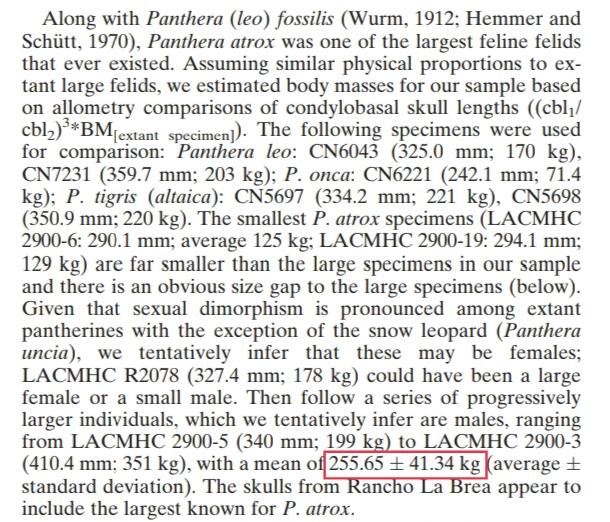 https://www.researchgate.net/publication/249022988_Craniomandibular_Morphology_and_Phylogenetic_Affinities_of_Panthera_atrox_Implications_for_the_Evolution_and_Paleobiology_of_the_Lion_Lineage
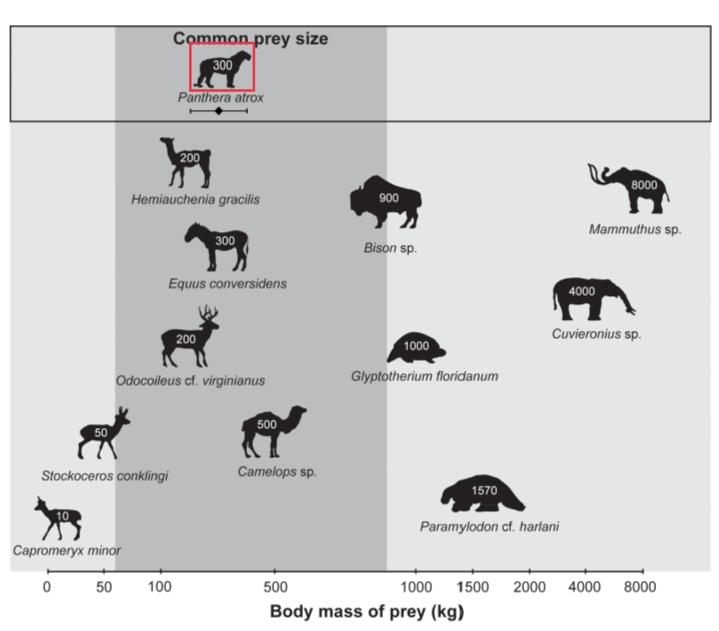 https://www.researchgate.net/publication/305443323_First_occurrence_of_Panthera_atrox_Felidae_Pantherinae_in_the_Mexican_state_of_Hidalgo_and_a_review_of_the_record_of_felids_from_the_Pleistocene_of_Mexico
At such weight, the American Lion significantly outweighed even the biggest Modern Tiger populations.In fact, Bengal Tigers simply average around 225 kg by combining these weight figures :
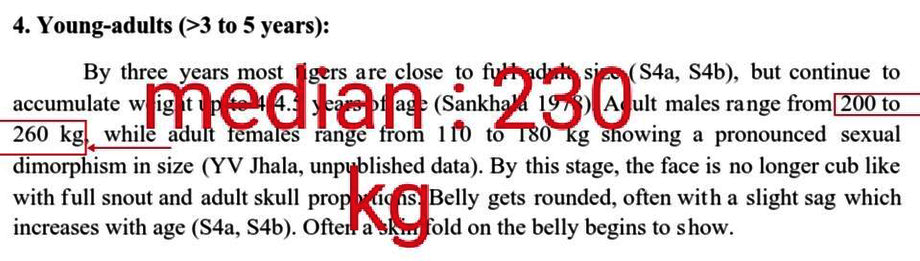
https://www.researchgate.net/publication/322963058_Field_Guide_for_Aging_Tigers
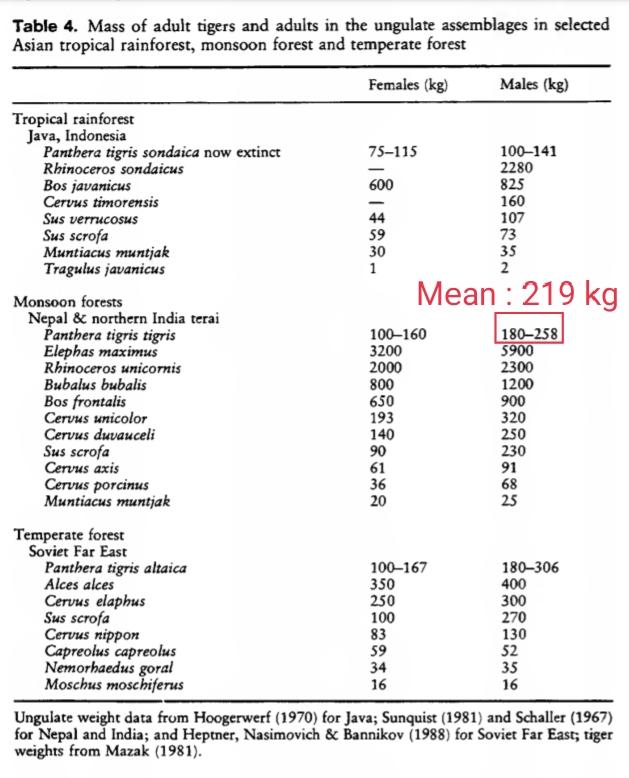
https://www.researchgate.net/publication/284408455_Tiger_predatory_behavior_ecology_and_conservation
And the Giant Amur Tiger from the past weighed even less actually :
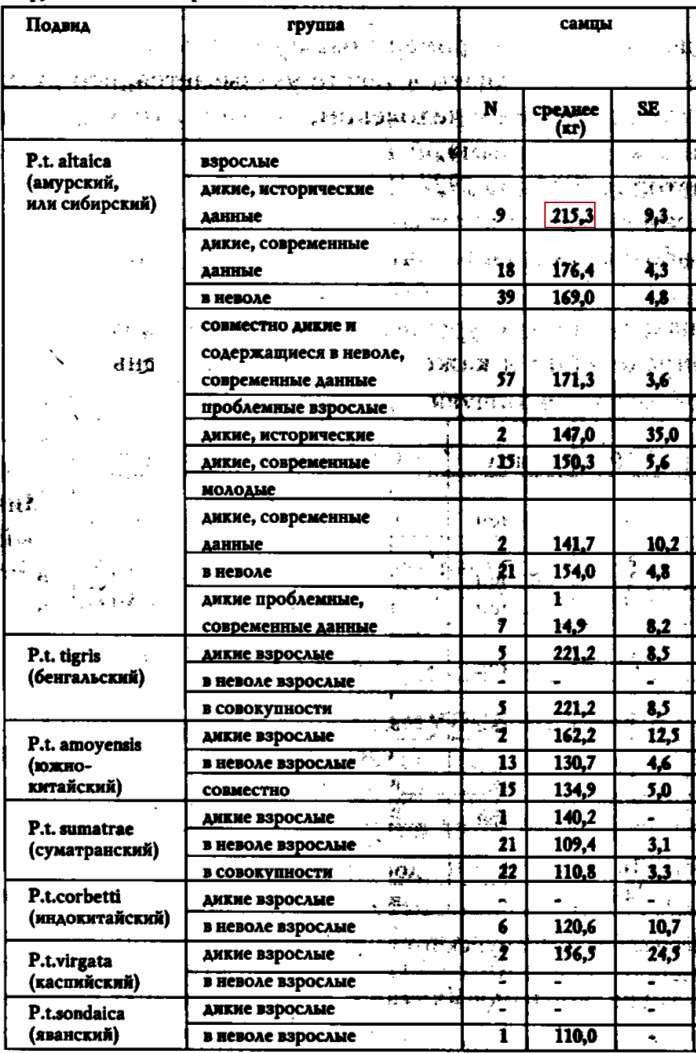
It's clear that no Modern Tiger is a match for Panthera Atrox.What about Prehistoric Tigers such as the Ngandong Tiger ?The Largest American Lion Specimen was estimated at 351 kg by Dr Per Christiansen :
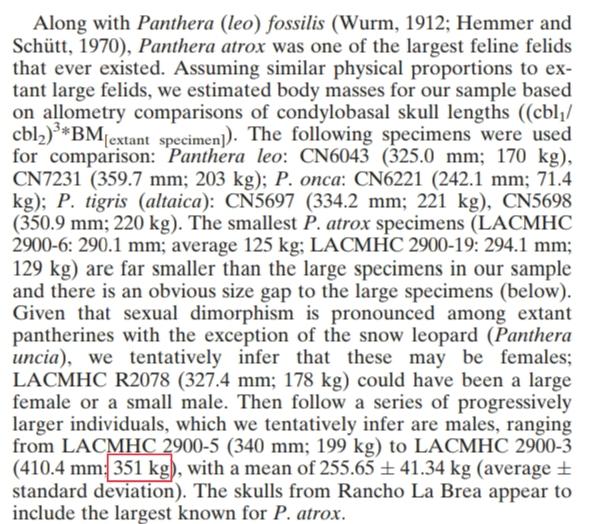
Whereas the largest Ngandong Tiger Specimen was estimated at 380 kg by the same scientist :
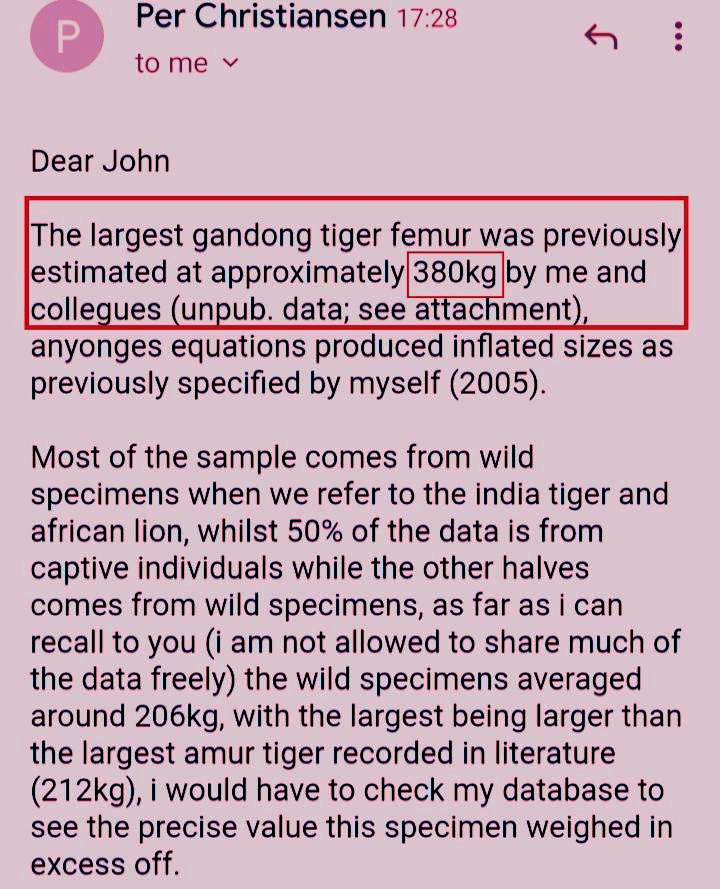
This suggests that this Prehistoric Tiger could potentially rival the American Lion.Assuming that it was relatively as strong as its modern counterpart,the Ngandong Tiger may not have considerable chances of defeating Panthera Atrox unless it is significantly bigger !