
Weddings have a funny way of changing the way people think about money. A couple starts with a reasonable budget. Everything feels under control. Then the venue looks slightly better than expected. The photographer offers an upgraded package. The florist suggests a few enhancements. Before long, the numbers start moving in the wrong direction. I've seen it happen more times than I can count. The surprising part isn't that weddings become expensive. It's that many couples don't realize where the extra spending comes from until it's already happened. The good news is that planning a beautiful wedding doesn't automatically mean draining your savings account. With the right approach and often the support of a custom wedding planner it's entirely possible to create a memorable celebration without constantly worrying about costs. Start With the Experience, Not the Budget Spreadsheet Most couples begin by listing expenses. Venue. Food. Photography. Entertainment. That's important, of course. But here's what I've noticed. The couples who stay within budget usually start somewhere else. They begin by asking a simple question: "What do we want people to remember about our wedding?" That answer changes everything. Maybe it's the atmosphere. Maybe it's the food. Maybe it's an intimate gathering with close friends and family. Once you know what matters most, it becomes easier to spend intentionally instead of emotionally. That's a huge difference.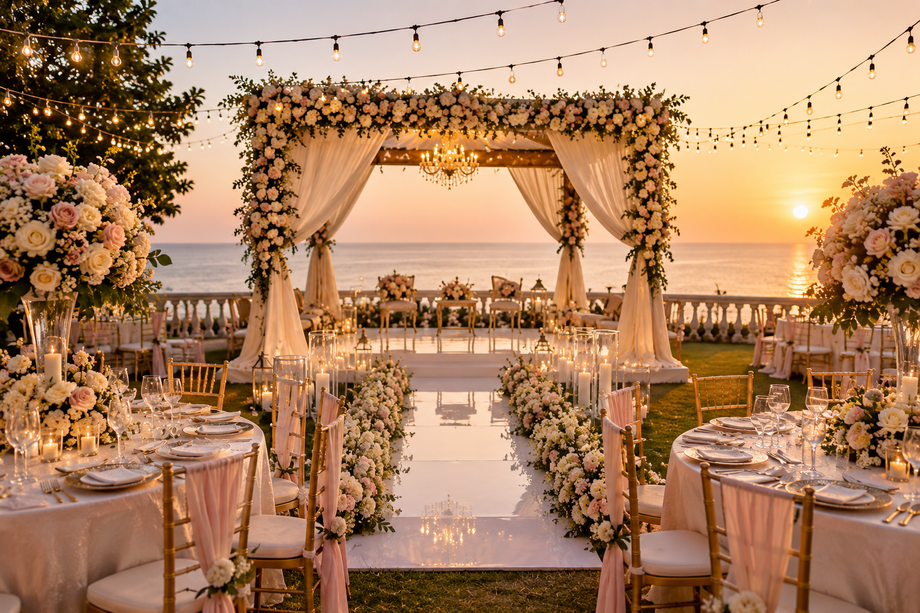
Why Wedding Costs Grow Faster Than Expected
The biggest budget problems rarely com e from one large purchase. They come from dozens of small decisions. A decoration upgrade here. A premium package there. An extra service that seemed harmless at the time. Individually, none of them feels significant. Collectively, they can add thousands to the final bill. Here's what actually happens. People focus on the cost of major items while overlooking smaller additions. Because those additions are spread out over several months, they don't feel expensive in the moment. Then the final total arrives. That's when reality shows up. Emotional Spending Is Real Wedding planning is emotional by nature. You're not buying office supplies. You're planning one of the most important days of your life. That emotional connection can make decision-making difficult.
A vendor presents an upgrade and suddenly it feels less like a financial decision and more like a question about how much you care about your wedding. That's a dangerous mindset.Sometimes the best wedding decisions are the ones that protect your finances rather than impress your guests.
The Guest List Has More Power Than You Think
Let me explain something many couples discover too late. The guest list influences almost everything.
Larger guest lists require larger venues. More catering. More tables. More decorations. More invitations. More favors. More everything. The funny part is that reducing the guest list by even twenty people can create significant savings without changing the overall experience. In fact, many couples later admit they enjoyed having a smaller celebration because it felt more personal. Here's what matters. Every guest should feel like someone you'd genuinely miss if they weren't there. If not, it may be worth reconsidering.
Focus on What Guests Actually Notice
People often spend money on details that guests barely remember. Meanwhile, the things guests talk about afterward are surprisingly consistent. The atmosphere. The food. The music. The emotions. The experience.
I've attended weddings with expensive decorative elements that nobody mentioned afterward.
I've also attended simple weddings where guests couldn't stop talking about how much fun they had.
That tells you something important. Experience creates memories. Not price tags. Social Media Creates Unrealistic Expectations One challenge modern couples face is comparison. Social media showcases stunning weddings every day. Perfect lighting. Perfect flowers. Perfect venues. What those photos don't show is the budget behind them. Or the debt. Or the compromises. Comparing your wedding to curated online content is rarely helpful. Your wedding isn't a photo shoot. It's a celebration. That's a very different goal.
Why Planning Early Saves Money
Time is one of the most valuable resources in wedding planning. Couples who start early usually have more options. More vendor availability. More venue choices. More flexibility. When planning becomes rushed, decisions often become expensive. Last-minute bookings can carry higher costs. Limited availability may force couples into options they wouldn't normally choose. Early planning creates room for smarter decisions. Not perfect decisions. Just better ones. And that's often enough.
The Value of a Custom Wedding Planner
Many people assume hiring a planner automatically increases wedding costs.
Sometimes the opposite is true. An experienced custom wedding planner understands where c
ouples typically overspend. They know which expenses deserve attention and which ones can often be reduced without affecting the guest experience. More importantly, they bring perspective. When you're emotionally invested in every detail, objectivity becomes difficult. A planner can help separate wants from needs and prevent expensive mistakes before they happen. That's valuable. Especially when budgets matter. Keep Your Priorities Visible One practical strategy I've seen work well is creating a short list of top priorities. Not twenty priorities. Three. Maybe four. That's it. Those priorities become a filter for every spending decision. If an expense supports one of those priorities, it may be worth considering. If it doesn't, the decision becomes easier. Simple systems often work best.
Final Thoughts
Planning your dream wedding without overspending isn't about being cheap.
It's about being intentional. The couples who stay on budget aren't necessarily spending less. They're spending smarter. They understand what matters to them and make decisions that support those priorities.
The result is a wedding that feels personal, meaningful, and financially responsible.
And years later, that's usually what people remember. Not the extra decoration package. Not the upgraded chair covers. They remember the laughter, the conversations, the celebration, and the people who shared the day with them. That's what makes a wedding unforgettable.