
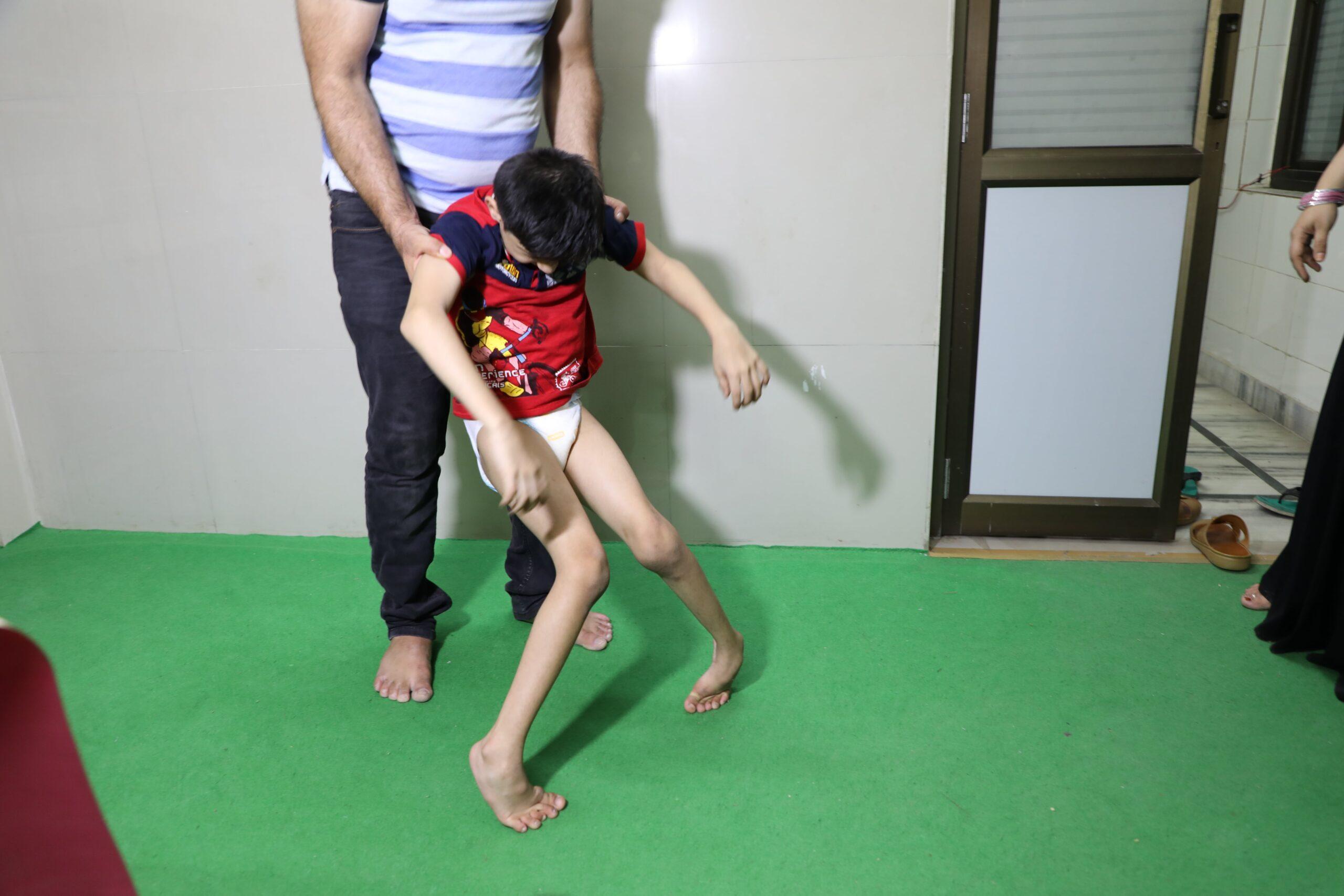
Mild cerebral palsy (CP) can often go undiagnosed during infancy, as its symptoms can be mild and difficult to distinguish from expected variances in development. However, it is important to identify the signs that indicate mild cerebral palsy.
Identifying mild cerebral palsy early means access to therapy and other interventions that can assist a child and family in improving mobility, strength, and quality of life.
Common Signs of Mild Cerebral Palsy in Babies
Mild cerebral palsy typically limits some motor skills without substantially impeding on daily living. Symptoms may vary widely, but common considerations include:
● Delayed Motor milestones: A delay in sitting up, crawling, rolling, or walking can often be the first sign that further exploration is needed.
● Muscle Stiffness or Floppiness: A baby with mild CP may have unusually stiff or floppy muscles in their arms, legs, or neck. Irregular muscle tone can limit the ability to balance or coordinate movements.
● Favouring One Side of the Body: When a baby uses a hand or a leg more (i.e., always reaches with the right or left, ignores the other side each time), it may suggest mild hemiplegic cerebral palsy.
● Poor Coordination and Balance: A baby may look clumsy or unstable while moving or while trying to maintain an upright posture. These behaviours may not look significantly delayed, but when combined, they can give insight into the status of mild cerebral palsy.
● Abnormal Muscle Reflexes or Movements: Examples of this include persistent infant reflexes that are present beyond the expected age range (e.g., Moro reflex, rooting reflex) or a baby exhibiting uncontrollable jerking or shaking muscle movements. If one notices these, it may be an early warning sign of potential mild CP.
● Feeding Difficulties or Speech Delay: If you notice your child has difficulty sucking, chewing, or swallowing, this could be a sign that the muscles being used may not be under their control because of CP. Frequent and mild speech delays can also be attributed to a problem with the oral-motor system.
Importance of Early Intervention for Mild Cerebral Palsy
Quick diagnosis and treatment are essential. Mild cerebral palsy is unlikely to cause significant limitations. Still, if treatment is delayed, even mild issues with motor function can exacerbate into delays in development, social limitations, and impaired independence as the child grows older.
Physical therapy, occupational therapy, and speech therapy can have huge benefits and make great progress in children with mild CP. Early intervention and therapy can significantly impact motor control and enhance the child's long-term outcome.
The brain is in a stage of plasticity during infancy; early experiences of stimulation and training can help the child develop positive neural pathways, ensuring progress is made.
Conclusion
If your child is displaying early signs of mild cerebral palsy, do not wait! Early evaluation can make a world of difference. The Trishla Foundation is a prestigious center in India with a great focus and specialization in the treatment and rehabilitation of children with cerebral palsy.
The Trishla Foundation has a dynamic team of professionals who undertake and reassess the child as they undergo customized therapy, medical support, and parental guidance to help every child reach their maximum potential!