
When it comes to precision measuring, having the right tools for the job is essential. Whether you're a professional tradesperson, hobbyist, or simply someone who values accuracy in their work, having a set of precision measuring tools can make all the difference in achieving precise and accurate results.
Here is the ultimate guide to precision measuring tools:
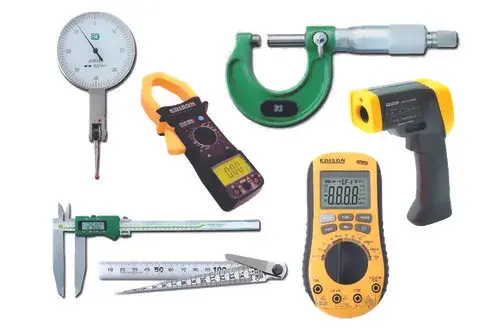
1. Calipers: Calipers are a versatile tool that can be used to measure both internal and external dimensions of objects. There are two main types of calipers – Vernier calipers and digital calipers. Vernier calipers are more traditional and require manual reading of measurements, while digital calipers provide instant and accurate readings on a digital display.
2. Micrometers: Micrometers are used for measuring very small dimensions with high precision. They are commonly used in manufacturing settings for measuring the thickness of materials, diameters of cylindrical objects, and other small dimensions that require utmost accuracy.
3. Rulers and Tape Measures: While rulers and tape measures may seem like basic tools, they are essential for measuring longer distances and dimensions. Choose a ruler or tape measure that is made of high-quality materials and has clear, easy-to-read markings for accurate measurements.
4. Levels: Levels are used for determining if a surface is level or plumb. They are essential for tasks such as hanging pictures, installing shelves, and ensuring that objects are aligned properly. There are various types of levels available, including spirit levels, laser levels, and digital levels.
5. Angle Finders: Angle finders are used for measuring angles accurately. They are commonly used in woodworking, metalworking, and construction to ensure precise angle measurements for cutting and fitting purposes.
6. Squares: Squares are tools used for measuring and marking right angles. They are essential for ensuring that corners are square and perpendicular, making them ideal for woodworking, metalworking, and other precise construction projects.
7. Depth Gauges: Depth gauges are used for measuring the depth of holes, grooves, and other recesses. They are commonly used in machining, woodworking, and metalworking to ensure that holes are drilled to the correct depth.
In conclusion, having a set of precision measuring tools is essential for achieving accurate and precise results in various industries and applications. Invest in high-quality tools, learn how to use them correctly, and ensure that they are properly calibrated to maintain their accuracy over time. With the right tools and knowledge, you can achieve precise measurements with confidence and accuracy.