Scapula Area Index:
Surface area of lateral aspect of scapula relative to scapula length ((√Scapula area)/Scapula length). Higher score Indicates greater relative size of muscles involved in the transfer of forces from the trunk to the forelimbs and in stabilizing the shoulder joint.
P.Leo : 80%
P.Pardus : 76%
Edge : P.Leo
Scapula Length Index:
Scapula length divided by Forelimb length. Higher score Indicates greater speed of movement via relative proportions of components of the proximal forelimb as well as exertion of greater force from the forelimb.
P.Leo : 33%
P.Pardus : 33%
Edge: Draw
Scapula Length Index 2 :
Scapula length divided by presacral column length. Higher score Indicates greater speed of movement via relative proportions of components of the proximal forelimb as well as exertion of greater force from the forelimb.
P.Leo : 22%
P.Pardus : 20%
Edge: P.Leo
Scapula Length Index 3 :
Scapula length divided by humerus length. Higher PC1 score Indicates greater speed of movement via relative proportions of components of the proximal forelimb as well as exertion of greater force from the forelimb.
P.Leo : exact value unknown
P.Pardus : exact value unknown
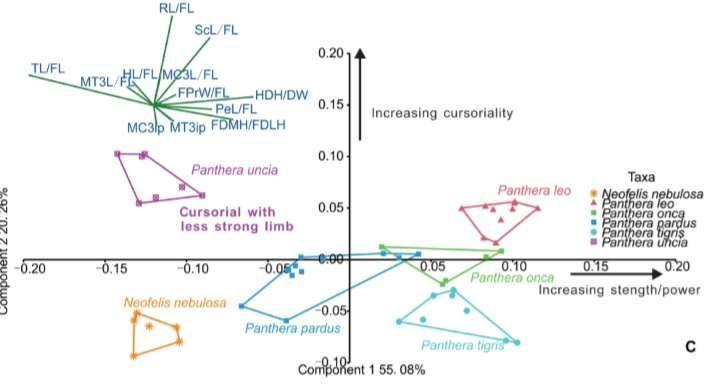
Edge : P.Leo
Deltoid Index:
P.Leo : exact value unknown
P.Pardus : exact value unknown
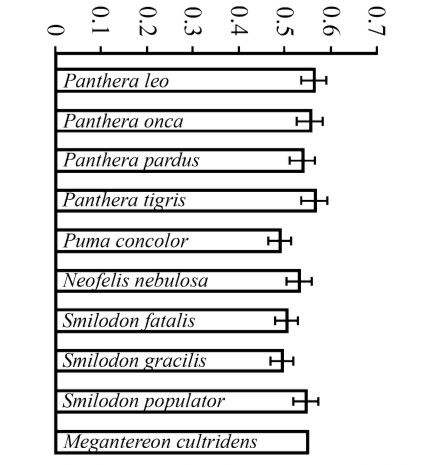
Edge : P.Leo
HRI:
It is humerus mediolateral diameter at mid-shaft/humerus length. Robust forelimb bones protect the animal from violent stresses during grappling.
P.Leo : 8%
P.Pardus : 8%
Edge : Draw
HRI2:
It is humerus anteroposterior diameter at mid-shaft/humerus length. Robust forelimb bones protect the animal from violent stresses during grappling.
P.Leo : 12%
P.Pardus : 12%
Edge : Draw
HCSI:
Cross-Section/divided by Length of humerus. A higher score determines a greater Humeral robusticity.
P.Leo : exact value unknown
P.Pardus : exact value unknown
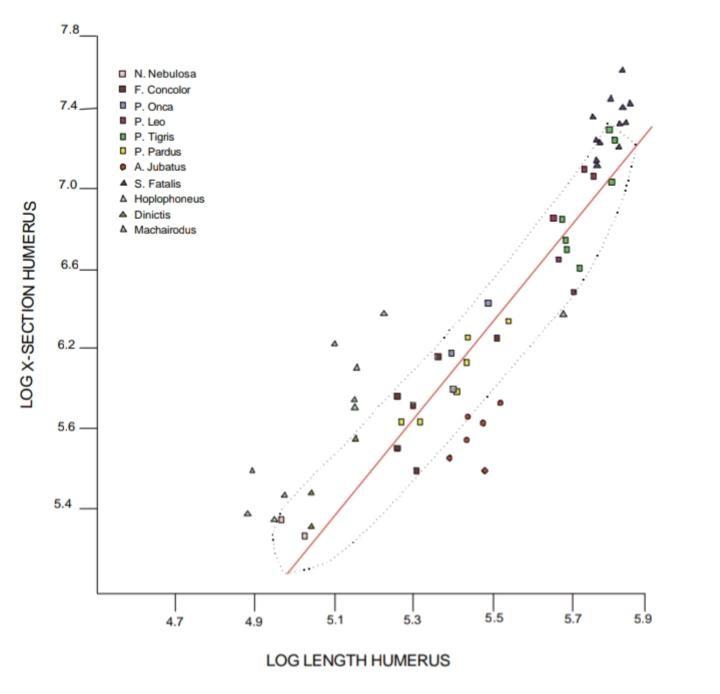
Edge : Draw
HCMI:
Often-used variable in analyses of bone strengths in locomotion. The higher the ratio is, the thicker the Humeral bone is.
P.Leo : 32%
P.Pardus : 29%
Edge : P.Leo
HEI:
The HEI index measures the relative size of wrist stabilizing muscles and well as several grasping muscles in area which facilitate prey grasping. These muscles also likely helps stability, pushing, and agility when legs are on ground.
P.Leo : 26%
P.Pardus : 24%
Edge : P.Leo
HDWI:
It is Humeral distal width/length ratio, correlated with resistance to stresses at the elbow joint. A higher ratio also increases muscle attachement.
P.Leo : 26%
P.Pardus : 24%
Edge : P.Leo
HCI:
This is a measure of the humerus joint surface size near elbow. Higher PC1 indicate greater forearm mobility and stability during grappling and also likely when feet are on ground during a struggle and the ability to distribute heavier loads.
P.Leo(n°20) : exact value unknown
P.Pardus(n°22): exact value unknown
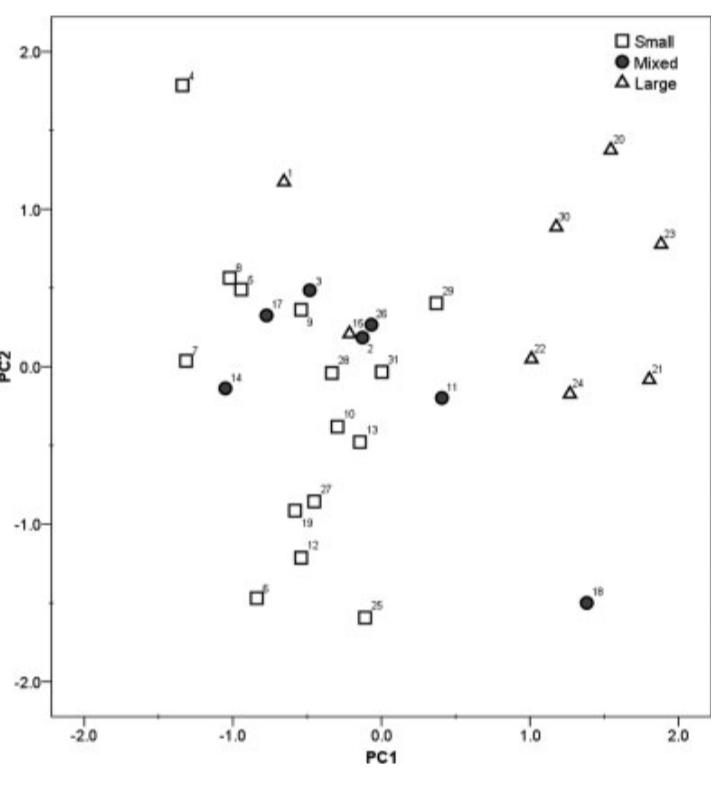
Edge : P.Leo
HCI2:
Humerus Condylar height ratio. Higher PC1 scores indicate greater forearm mobility and stability during grappling and also likely when feet are on ground during a struggle and the ability to distribute heavier loads.
P.Leo : exact value unknown
P.Pardus : exact value unknown
Edge : P.Leo
HAA:
This is another measure of area of where humerus terminates in elbow. Higher PC1 scores are associated with better grappling and distributing heavier loads.
P.Leo(n°20) : exact value unknown
P.Pardus(n°22) : exact value unknown
Edge : P.Leo
Forelimb Proportion Index:
Length of proximal forelimb relative to length of distal forelimb ((Scapula length +Humerus length)/(Radius length + Metacarpal length)). Higher score Indicates greater degree of
morphological specialization for producing large out-forces in the forelimb.
P.Leo : 141%
P.Pardus : 149%
Edge : P.Pardus
Brachial Index:
This measures radius length/humerus length. Lower scores in this ratio indicate greater forelimb muscle mechanical advantage and results in stronger muscles all else being equal.
P.Leo : 91%
P.Pardus : 85%
Edge : P.Pardus
Brachial Index 2:
This measures ulna length/humerus length. Lower scores in this ratio indicate greater forelimb muscle mechanical advantage and results in stronger muscles all else being equal.
P.Leo : exact value unknown
P.Pardus : exact value unknown 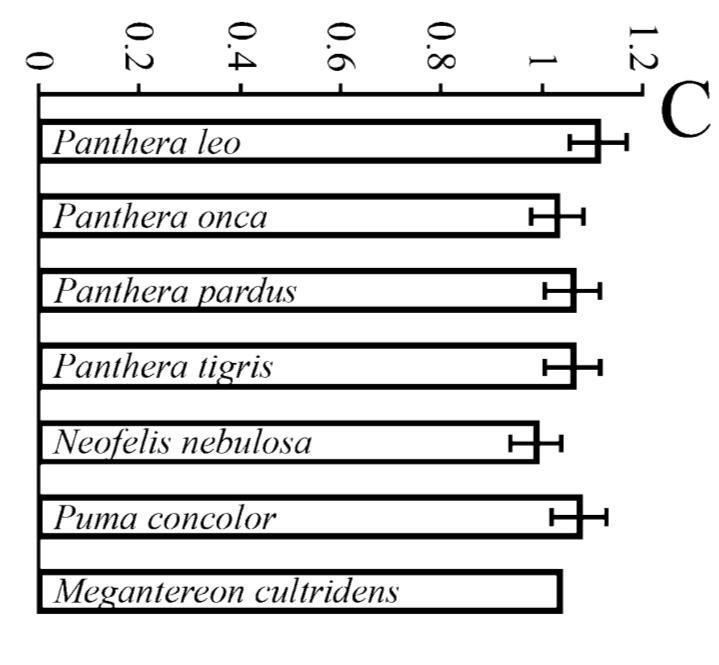
Edge : P.Pardus
OMA:
This metrics estimates tricep muscle strength. High values indicate greater ability to push with arms all else being equal. This helps a grappling cat hold prey and also helps a canid push and knock down an opponent. In addition, higher values may indicate greater stability and ability to change direction in a fight as well as greater anatomical mechanical advantage of triceps brachii, an elbow extensor.
P.Leo : 20%
P.Pardus : 19%
Edge : P.Leo
UPCI:
It is ulnar proximal circumference/ulnar length ratio, correlated with resistance to stresses. A higher score also increases muscle attachement.
P.Leo : 31%
P.Pardus : 30%
Edge : P.Leo
RPCI:
It is radial proximal circumference/radial length ratio, correlated with resistance to stresses. A higher score also increases muscle attachement.
P.Leo : 49%
P.Pardus : 49%
Edge : Draw
RPWI:
It is radial proximal width/radial length ratio, correlated with resistance to stresses. A higher score also increases muscle attachement.
P.Leo : 14%
P.Pardus : 10%
Edge : P.Leo
URI:
This measures ulna anteroposterior diameter at midshaft divided by ulna length. As mentioned above for humerus and robusticity, a robust ulna resists stresses on bones during fights and increases resistance to bites to the forelimb.
P.Leo : 9%
P.Pardus : 9%
Edge : Draw
RRI:
This measures radius mediolateral diameter at midshaft divided by radius length. As mentioned above for humerus robusticity, a robust radius resists stresses on bones during fights and increases resistance to bites to the forelimb.
P.Leo : 9%
P.Pardus : 9%
Edge : Draw
RRI2:
This measures radius anteroposterior diameter at midshaft divided by radius length. As mentioned above for humerus robusticity, a robust radius resists stresses on bones during fights and increases resistance to bites to the forelimb.
P.Leo : 6%
P.Pardus : 7%
Edge : P.Pardus
RCMI:
Often-used variable in analyses of bone strengths in locomotion. The higher the ratio is, the thicker the radial bone is.
P.Leo : 26%
P.Pardus : 33%
Edge : P.Pardus
UDCI:
It is ulnar distal circumference/ulnar length ratio, correlated with resistance to stresses. A higher score also increases muscle attachement.
P.Leo : 22%
P.Pardus : 16%
Edge : P.Leo
RAA:
This is another measure of radius where it terminates at wrist. Higher ratios help to reinforce the forelimbs against the stresses encountered by large, struggling prey and to distribute heavier loads.
P.Leo(n°20) : exact value unknown
P.Pardus(n°22) : exact value unknown
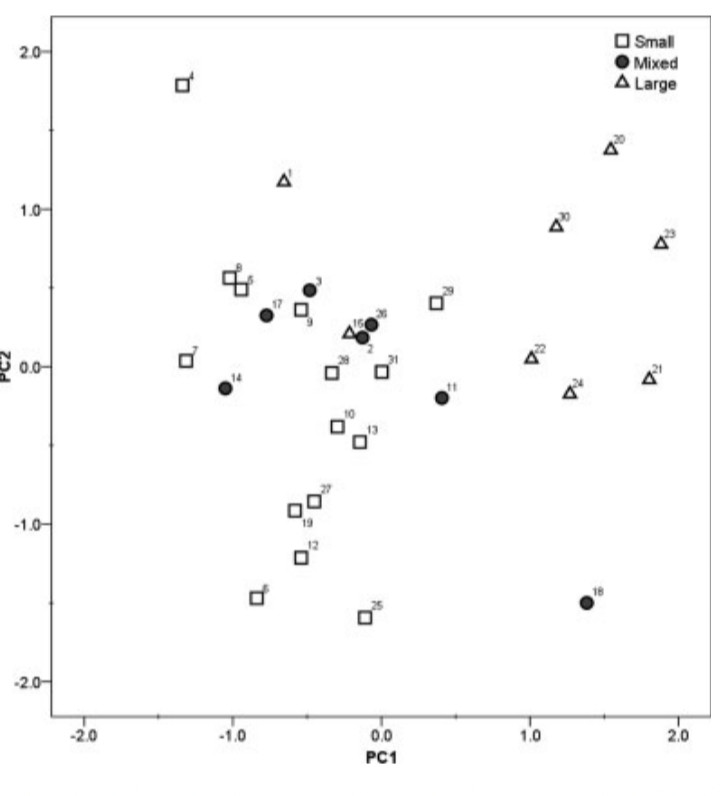
Edge : P.Leo
RAI:
This is a measure of joint area where radius meets wrist joint. This may indicate larger forces are put on joints either through larger muscles, or external stresses which helps grappling or ability to fight with feet on ground (i.e. ability to quickly change directions, stability, etc.).
P.Leo(n°20) : exact value unknown
P.Pardus(n°22) : exact value unknown
Edge : P.Leo
RDCI:
It is radial distal circumference/radial length ratio, correlated with resistance to stresses. A higher score also increases muscle attachement.
P.Leo : 49%
P.Pardus : 34%
Edge : P.Leo
RDWI:
It is radial distal width/radial length ratio, correlated with resistance to stresses. A higher score also increases muscle attachement.
P.Leo : 14%
P.Pardus : 8%
Edge : P.Leo
Styloid Width Index:
Styloid width relative to radius length. Higher score indicates greater relative robusticity of distal forelimb.
P.Leo : 30%
P.Pardus : 28%
Edge : P.Leo
PMA:
Length of pisiform relative to length of manus. Higher score Indicates greater anatomical mechanical advantage of flexor carpi ulnaris, a wrist flexor.
P.Leo : 33%
P.Pardus : 31%
Edge : P.Leo
PAW:
This is a measurement of paw width on forelimbs and gives us an idea of how well-paws are designed to hold prey. In addition, relatively wider paws likely increase stability while feet are on ground.
P.Leo : 80%
P.Pardus : 73%
Edge : P.Leo
MCP:
proximal phalanx to metacarpal ratio, more negative PC2 and DF1 scores offer increased surface area for grasping and grappling and greater relative proportions of proximal and distal elements of the manus and size of the palmar surface.
P.Leo(n°20) : exact value unknown
P.Pardus(n°22) : exact value unknown
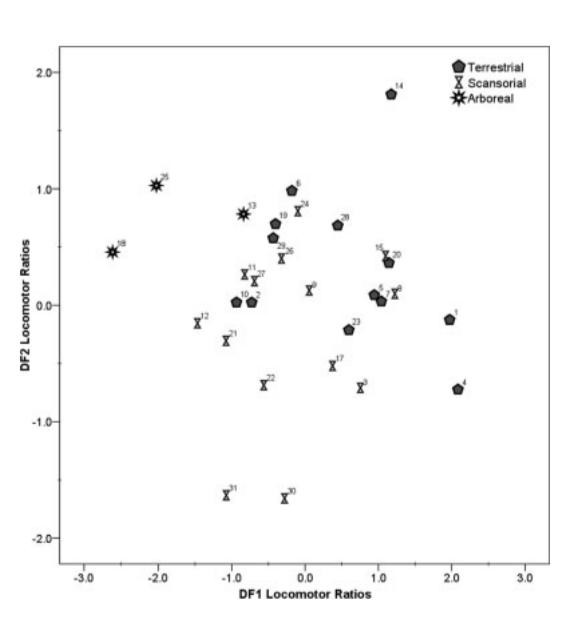
Edge : P.Pardus
MC3RI:
This measures the robusticity of metacarpal 3 or longest finger/digit. More negative PC1 scores may assist with grappling or stresses exerted with feet on ground during a fight.
P.Leo(n°20) : exact value unknown
P.Pardus(n°22) : exact value unknown
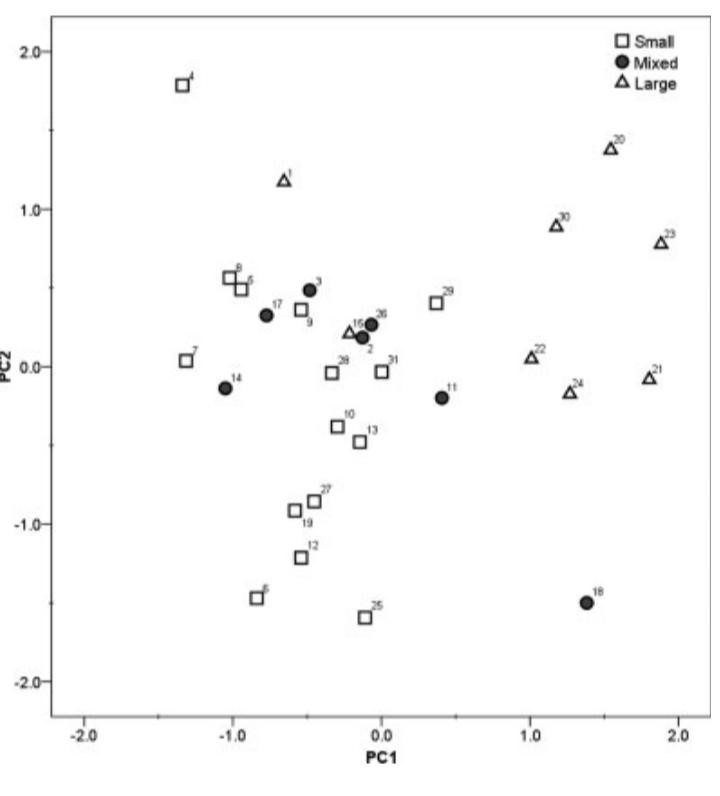
Edge : P.Pardus
MC3AA:
This is a measure of size of metacarpal at joints of finger. Higher PC1 Scores help stabilize the metacarpals against stresses from prey and climbing.
P.Leo(n°20) : exact value unknown
P.Pardus(n°22) : exact value unknown
Edge : P.Leo
Studies Used For The Above Comparison :
https://datadryad.org/stash/dataset/doi%253A10.5061%252Fdryad.h58q6
https://www.researchgate.net/publication/298056854_Sexual_selection_on_skeletal_shape_in_Carnivora
https://www.researchgate.net/publication/7531697_Body_size_ofSmilodon_Mammalia_Felidae
https://publikationen.uni-tuebingen.de/xmlui/handle/10900/48480
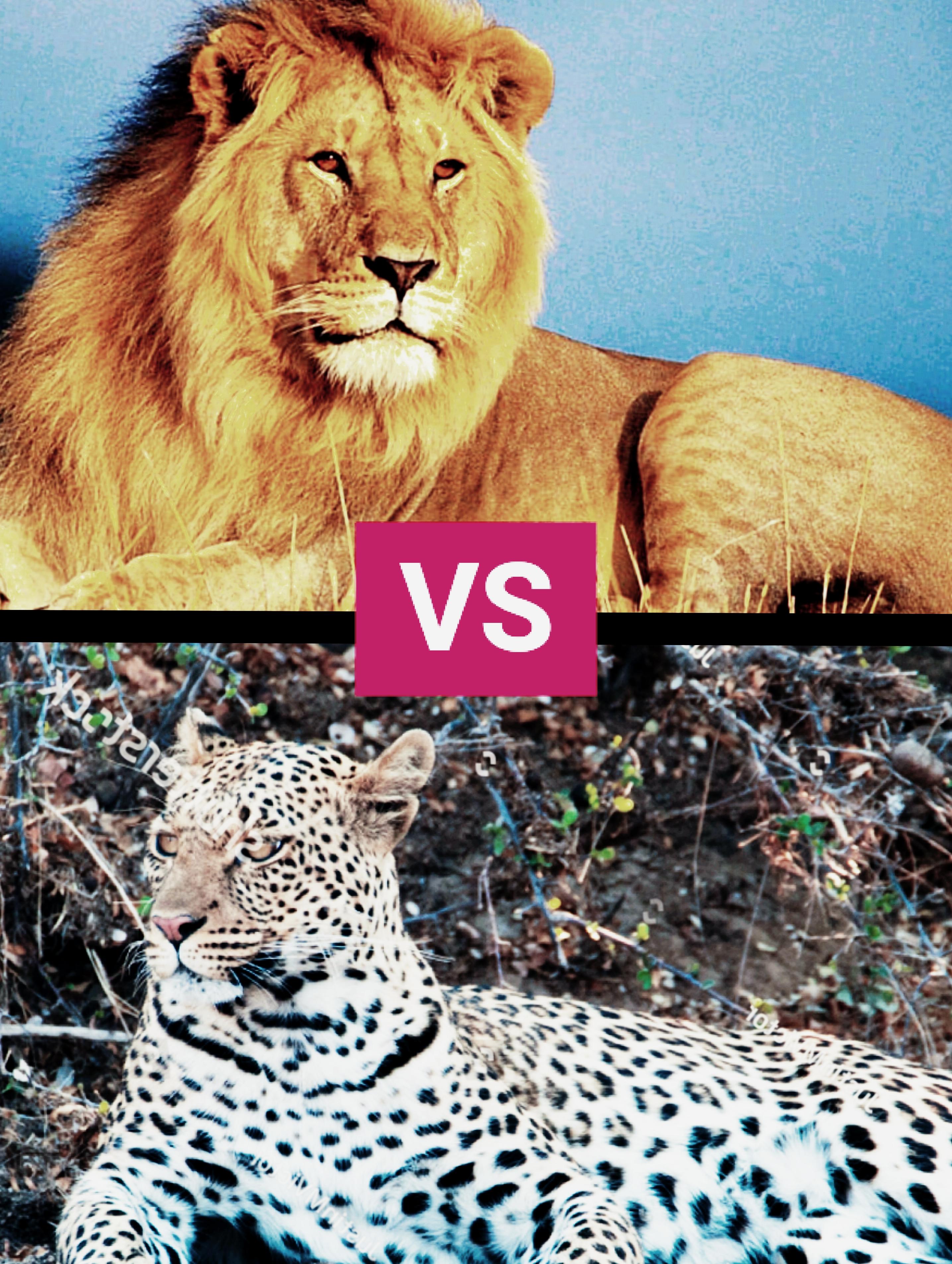
Everyone knows that a Lion would demolish a Leopard in real life mostly due to huge weight gap between the two in the Lion's favor. However this side by side comparison has shown that the Latter is still likely to be stronger at similar size as most ratios point out to the Lion having overall stronger shoulders, wider Humeral proximal ends, thicker Humeri shafts, wider Humeral distal ends,larger epicondyles,condyles,trochleas, Humeral articular areas,olecrana,wider ulnar proximal, distal ends,radial proximal,distal ends,styloids, longer pisiforms,wider paws and larger metacarpal articular areas while the Leopard simply has relatively shorter forelimbs, longer proximal forelimbs, thicker radii shafts, greater Manus Proportions and more robust metacarpals. Additionally, the Lion owns proportionally more powerfully built backs as extensively shown here :
The notion that Panthera Leo has a relatively stronger back is consistent because we do have a book claiming that Leopards have relatively more flexible spines in comparison to the massively built spine in Lions :
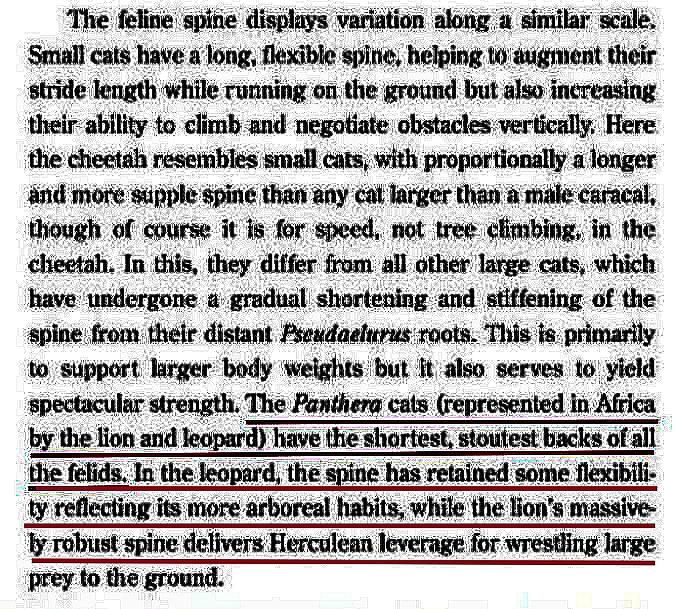
https://www.abebooks.com/9780801884825/Cats-Africa-Behavior-Ecology-Conservation-0801884829/plp
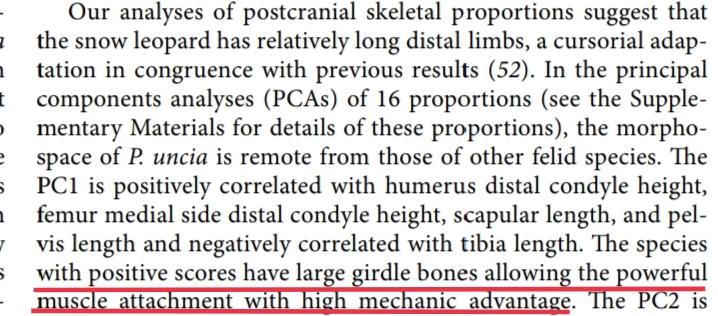
Moreover, Panthera Leo has a proportionally stronger chest as evident from their Larger Girdle Bones :
Lions also have relatively more robust manubria since they're the only Big Cats stated capable of Approaching Machairodonts in this regard (Leopards are also extensively studied in this article) :
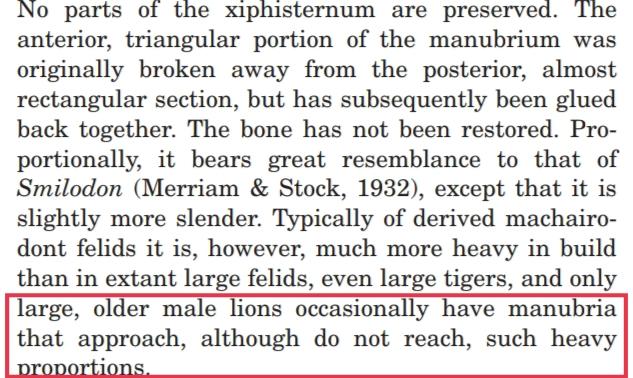
So The Lion basically owns stronger chest muscles, even relatively speaking! The Leopard does have relatively more tightened iliac wings as evident from the smaller angle :
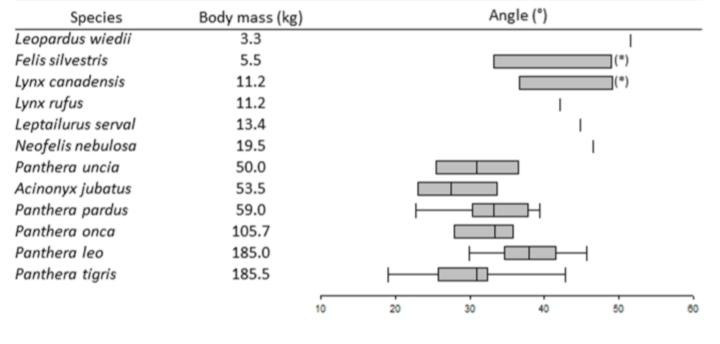
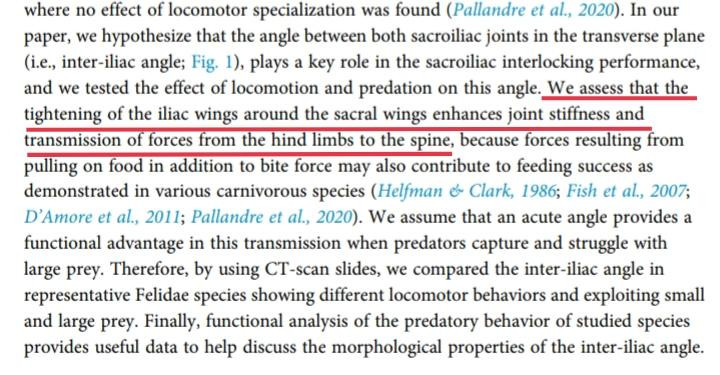
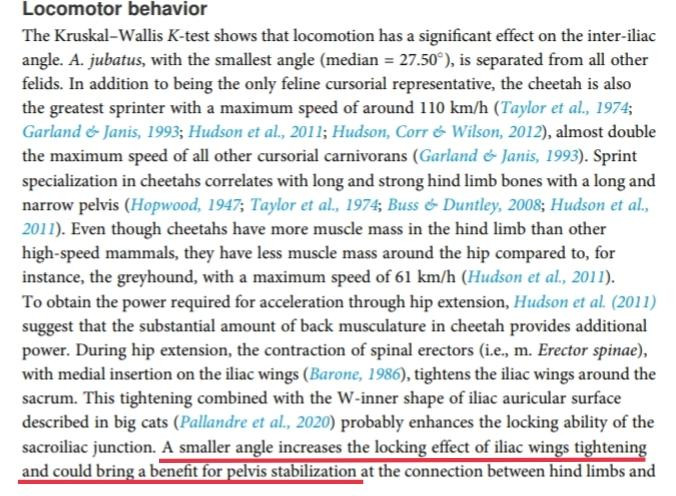
But still, The Lion has overall more strength advantages making it a proportionally stronger and better grappler ! In addition to all this, the Lion would most likely still bite harder at equal size since its skull would still be more robust and its neck would still be greater in terms of relative musculature and cervical robustness :
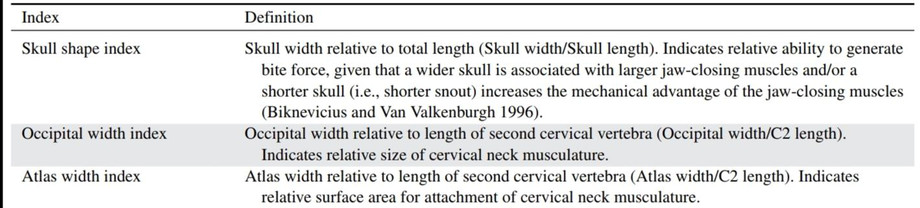
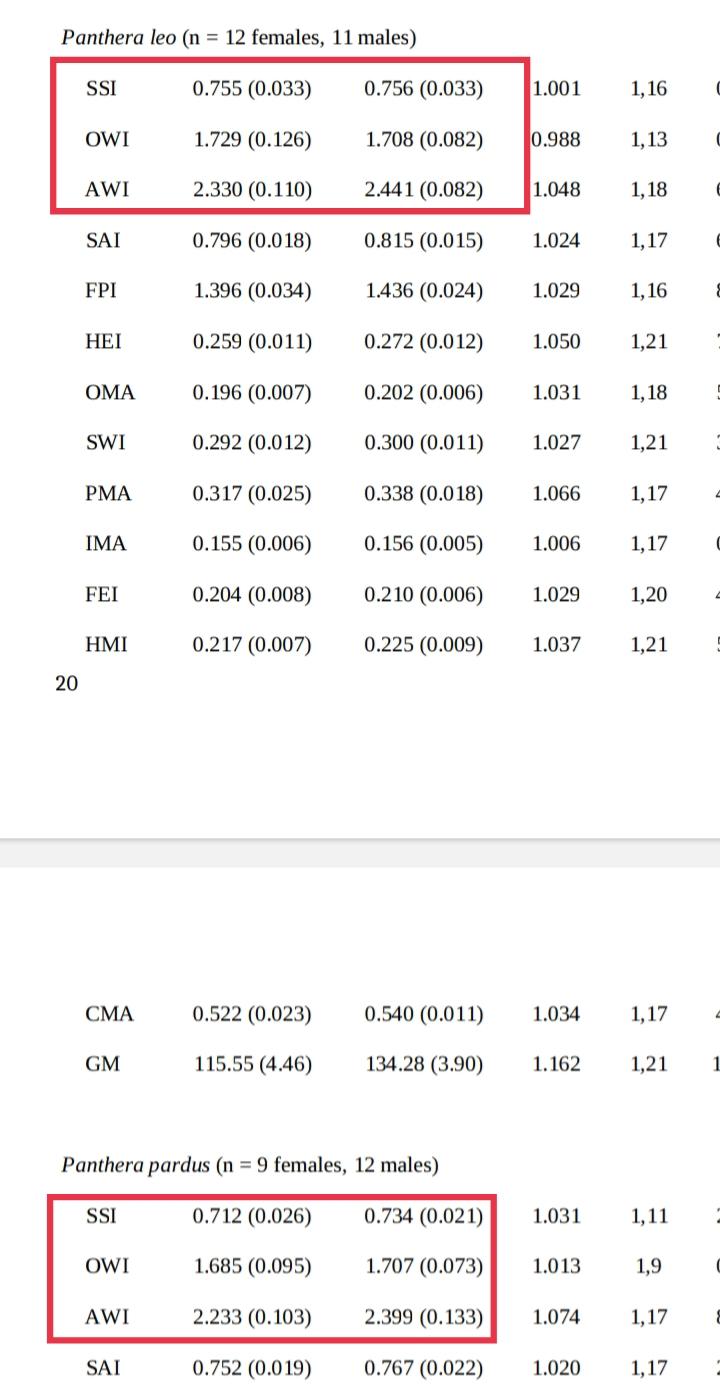
https://onlinelibrary.wiley.com/doi/abs/10.1111/evo.12904
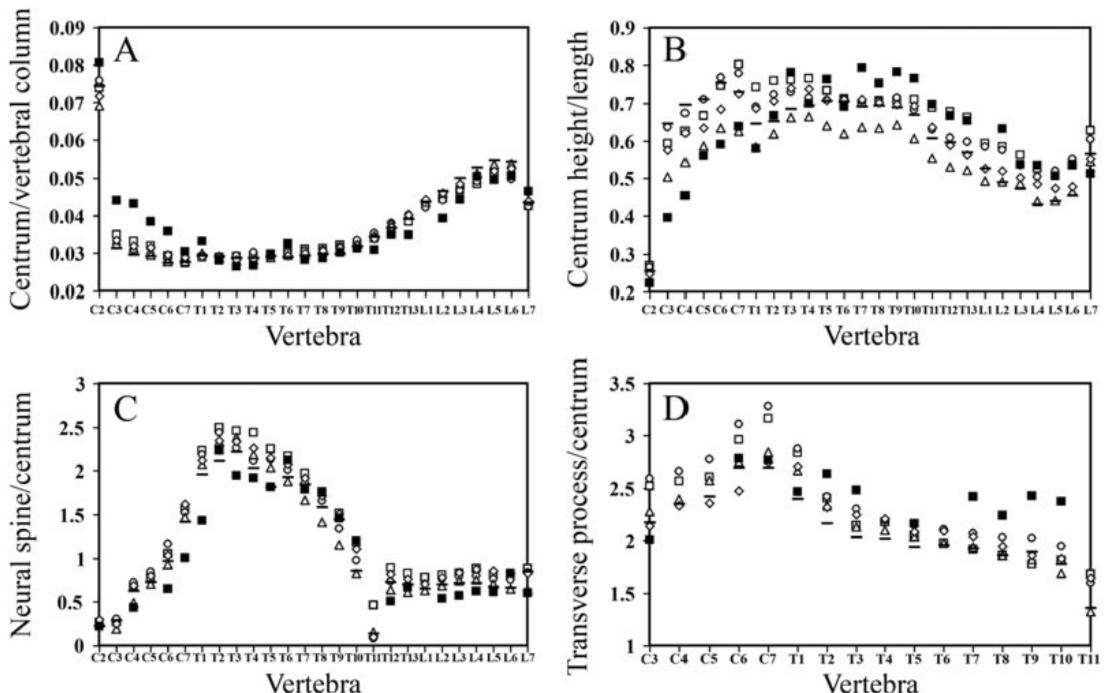
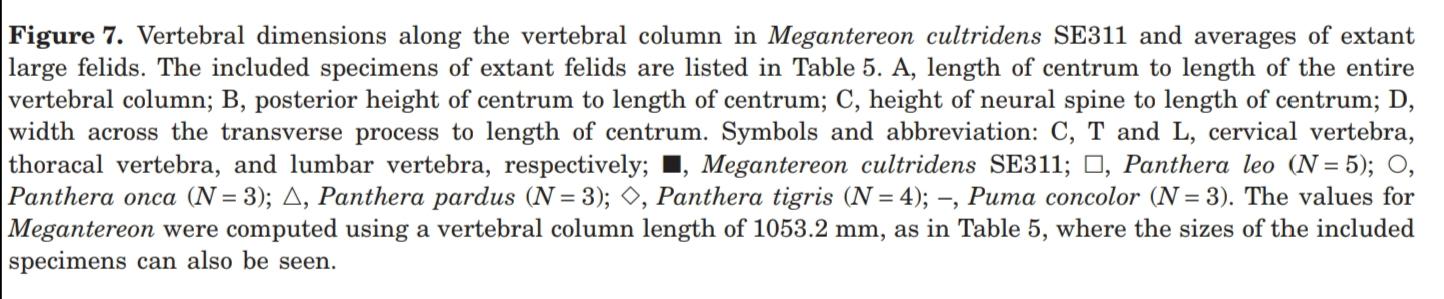
Even if the Lion can't be decisively considered the current king Of Big Cats because of the Tiger, it is at least the King Of The African Savannah since it outmatched the Stealthy Leopard in terms of relative strength !