
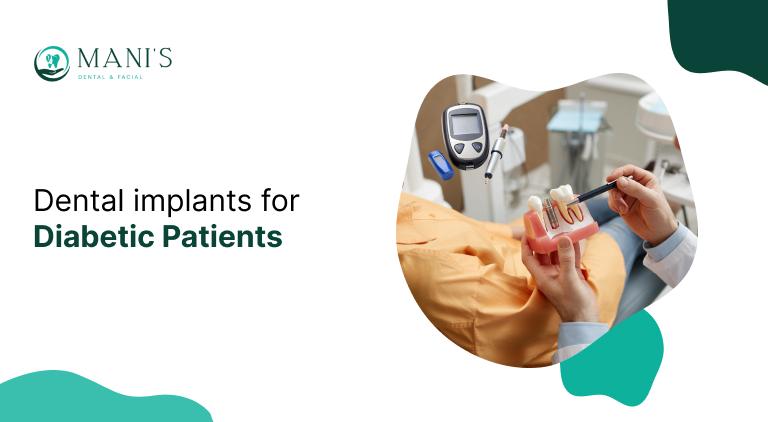
Understanding Dental Implants
In order to replace a lost tooth's natural root, titanium posts are inserted into the mandible during this treatment. The implant bonds with the bone through osseointegration, giving stable support to be topped by a crown, bridge, or denture.
Implants offer several benefits:
- Durability: Implants have a lifetime of use if properly cared for.
- Aesthetic: Dental implants have a natural appearance and feel.
- Functionality: They restore complete chewing and speaking abilities.
This is because, given that dental implants require surgery and a healthy recovery process, it is important to consider factors like the patient's overall health, which may include certain chronic disorders like diabetes.
How Does Diabetes Affect Dental Health?
Diabetes, mainly if not well controlled, can negatively impact oral health. Here are some of the ways diabetes affects the mouth:
- Delay in Wound Healing: Blood sugar overload may impair the body's ability to repair wounds. This can be particularly troublesome following dental procedures such as implant implantation, where prompt and efficient recovery is essential.
- Higher Risk of Infection: Because of their compromised immune systems, diabetics are more susceptible to infections. The risk of infection increases following any surgical procedure, including those involving implants in the oral cavity.
- Gum Disease: Patients with diabetes have a higher chance of getting periodontal disease and may experience inflammation of the gums and other tissues that support the teeth. This is a challenge for the effective placement of dental implants since optimal osseointegration and healthy gingiva are prerequisites for successful implant placement.
- Dry Mouth: Diabetes may be the cause of xerostomia, often known as dry mouth. People may be more susceptible to gum disease and tooth decay as a result, which makes placing implants much more difficult.
Controlled vs. Uncontrolled Diabetes
Therefore, it's critical to distinguish between diabetes individuals with good control and those with poor control. After receiving dental implants, patients with reasonably controlled diabetes had better outcomes. Individuals with poorly managed diabetes may experience problems as a result of a higher risk of infection, delayed healing, or even dental implant failure.
Can controlled diabetics get dental implants?
Absolutely, dental implants may be effectively placed in persons with managed diabetes. However, certain precautions need to be taken:
- Blood Sugar Management: Before the procedure, your oral surgeon or dentist will probably ask that your blood sugar levels be under strict supervision. This frequently entails keeping the glycated haemoglobin, or HbA1c, level consistently below 7%. Maintaining control over your blood sugar reduces the likelihood of consequences like infection or poor recovery.
- Pre- and Post-Surgical Care: Patients with diabetes could require additional procedures both before and after surgery. For instance, they could require additional visits to appropriately tenderise a lesion over time, regular blood sugar monitoring, and the administration of medicines to prevent infection.
- Gum Health: A detailed assessment of the condition of your gums will be performed to ensure that periodontal disease is not current. Gum health is crucial for the implant to function properly.
Essential Precautions for Diabetes Considering Dental Implants
If you have diabetes and are considering dental implants, there are several steps you should take to ensure the best possible outcome:
1. Communicate With Your Healthcare Providers
Notifying your doctor and dentist about how you manage your diabetes is a must. Whether determining whether to operate and what safety measures to take, better decisions may be made thanks to this collaborative approach.
2. Maintain optimal blood sugar levels.
Work with your doctor to establish stable blood sugar levels prior to dental implant surgery. This might mean changing the amount of medicine taken, the foods one eats, or the physical activity one engages in the weeks before surgery.
3. Prioritize oral hygiene
Maintaining proper dental hygiene is especially important for those with diabetes. Furthermore, frequent flossing, brushing, and mouthwash use can reduce the risk of infection and gum disease. Dental exams and cleanings by professionals should be part of routine dental care.
4. Take Extra Care After Surgery
For diabetic individuals, postoperative care is crucial. As you pay great attention to your dentist, attempt to pick up on any signs of infection or delayed healing. This makes it possible to monitor one's progress in healing as well as the degree to which the implant is integrating with the mandible.
5. Consider Alternative Options
Your dentist may recommend alternate treatments if your diabetes is out of control or if you have other medical issues that hinder recovery. These methods could include bridges or detachable dentures, which don't require surgery.
Benefits of Dental Implants for Diabetic Patients
All the complications notwithstanding, dental implants can bring many advantages to the person with diabetes:
- Oral Health: When many teeth are lost, the remaining teeth and gums may typically be preserved when using implants to replace the missing teeth. It keeps your bite in place and also stops the kind of bone loss that may have happened otherwise.
- Quality of Life: With full confidence, you can eat, speak, and smile just like you always do with your natural teeth. This might be a big step towards raising your standard of living.
- Durability and Longevity: When properly maintained, implants offer a durable substitute for lost teeth, minimising the need for additional dental procedures.
Conclusion:
Diabetes may not prevent someone from having an implant. Naturally, the likelihood of an implant being effective is higher than just favourable if one's diabetes is under control. Once more, though, in order to reduce difficulties, cautious planning, appropriate blood sugar control, and thorough dental cleanliness are required.
For diabetes patients, dental implants might mean the difference between a fresh lease on life and having to live with the embarrassment of permanent loss of function and appearance. If you are thinking about getting dental implants, and you have diabetes, talk to your dentist and healthcare provider so that they can determine your unique risk factors and create a strategy that works best for you. You may fully benefit from dental implants without running any health risks if you take the right measures.
To know more, visit - https://www.manisdentalclinic.com/blog/dental-implants-for-diabetic-patients/