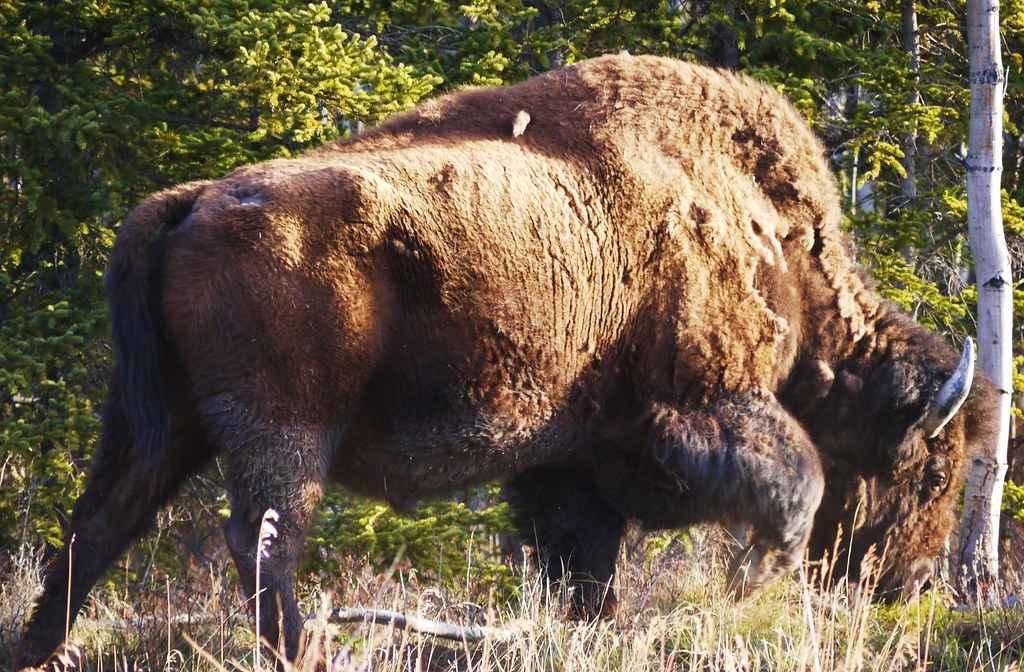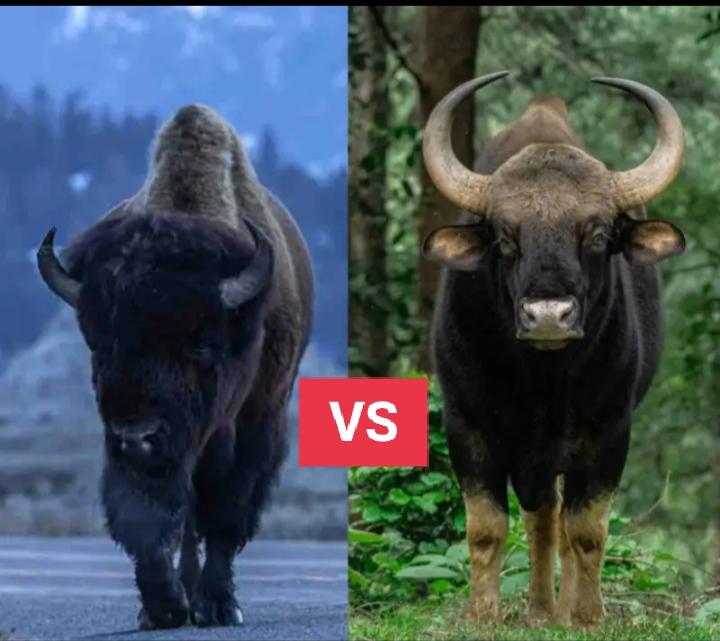
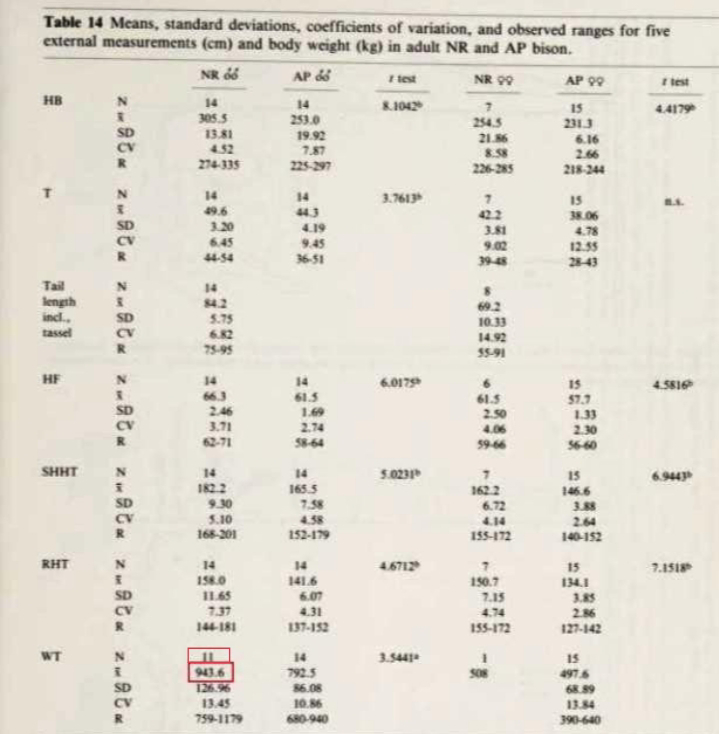
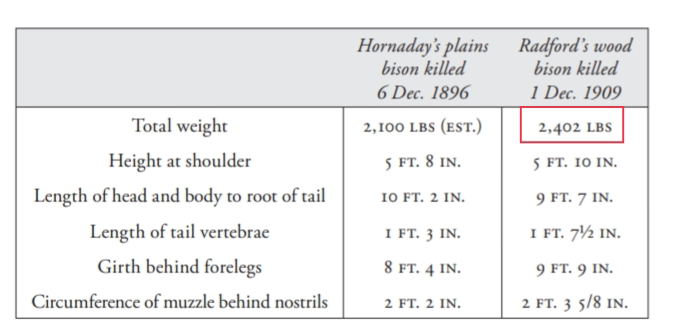
What would happen if the Largest Bovid In India were to battle the Largest Land Animal Of North America ? Would the Gaur Prevail ? It's very unlikely but before we get into it, let's compare their size and physical strength. There's the popular claim that Gaur are the Biggest Wild Cattle but if we are to rely solely on Weight data, does this claim hold any merit ? Let's find out ! Here are some weight records for the Wood Bison :
https://www.abebooks.com/9780662135029/systematic-study-recent-bison-consideration-0662135024/plp
https://www.aupress.ca/books/120139-lost-tracks/
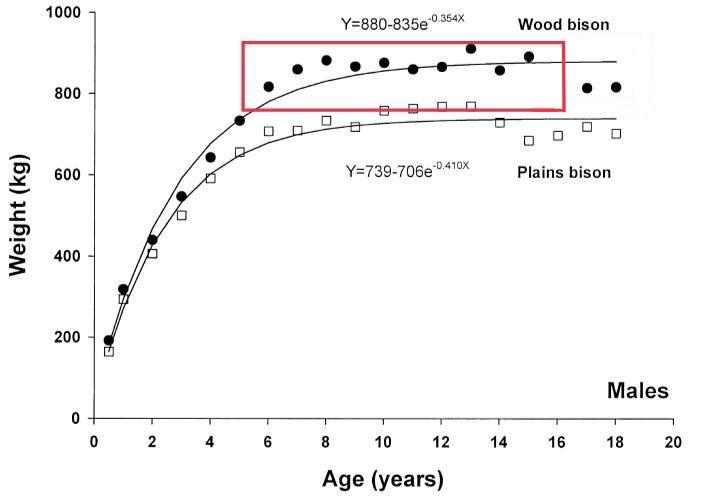
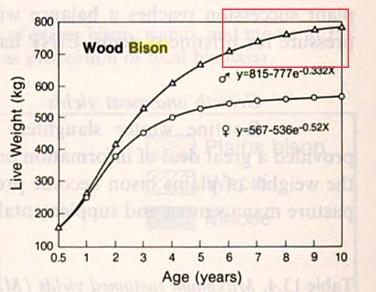
We get an average weight of 888.2kg out of 27 Bulls. But what about The Gaur ? We'll be focusing on the Indian Form specifically because actual weight data for the Seladang is basically non existent. Indian Bulls seem to weigh 893.85kg-n=22 on average based on these :
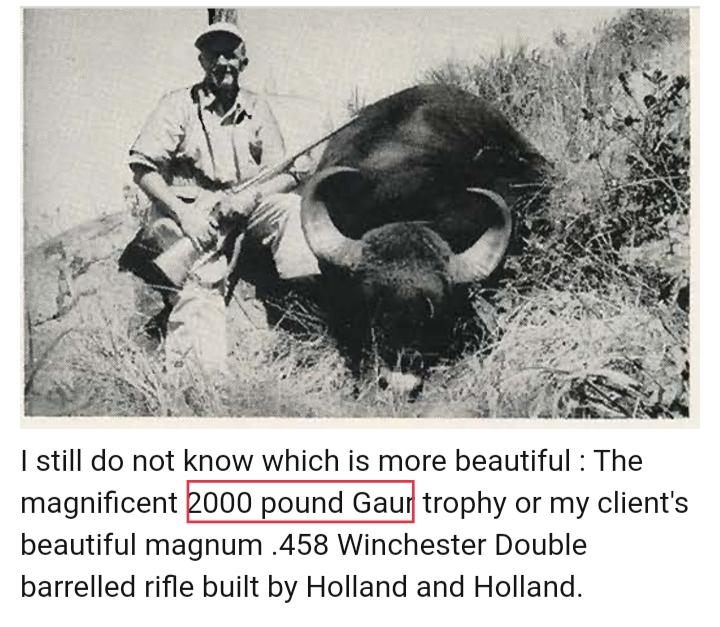
https://www.africahunting.com/threads/rifles-used-for-indian-buffaloes-gaur.53565
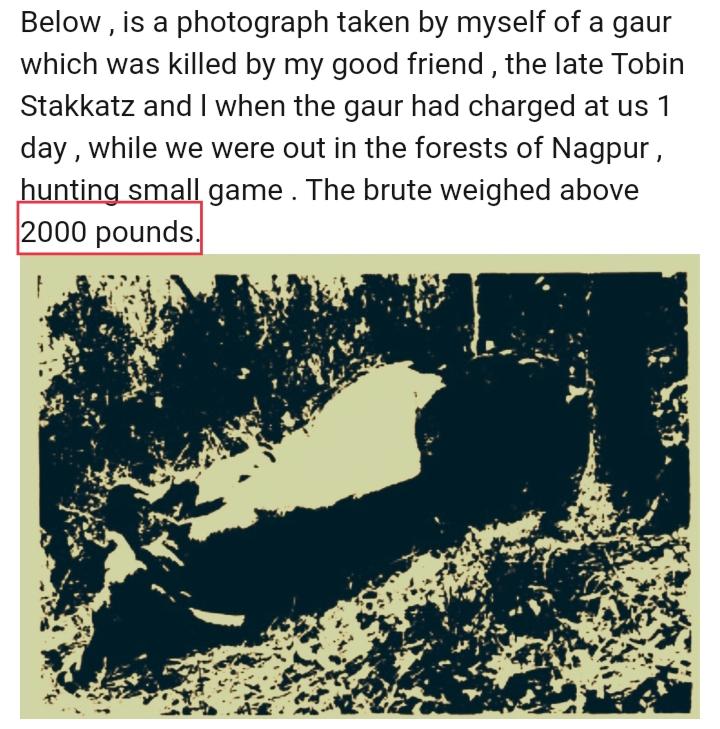
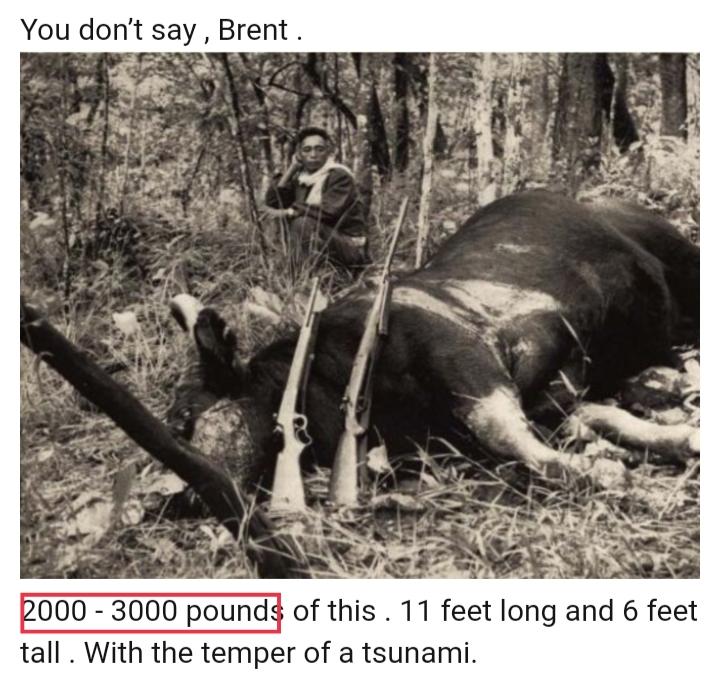
https://www.africahunting.com/threads/close-quarters-with-a-crocodile.56876/#post-659696
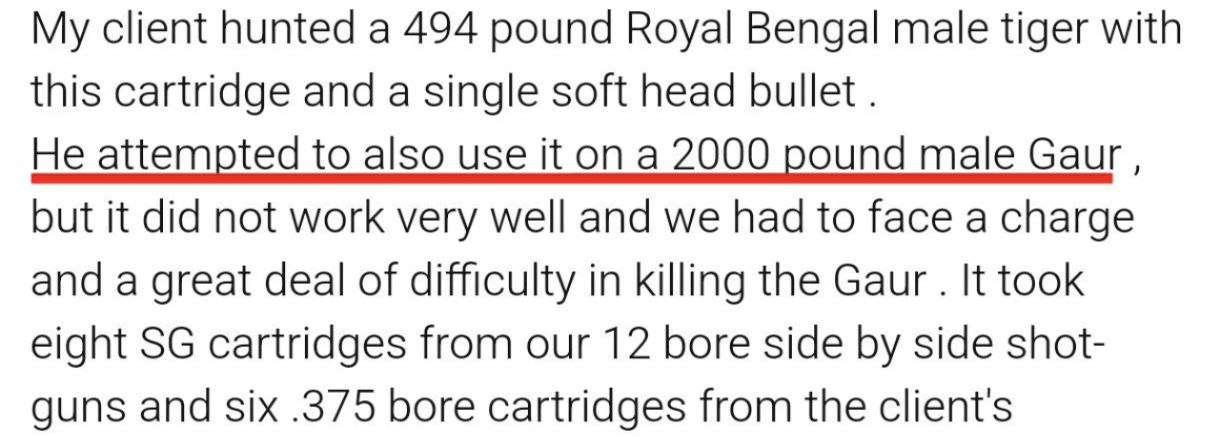

https://archive.org/details/naturalistotherb00scha?q=naturalist+and+other+beasts
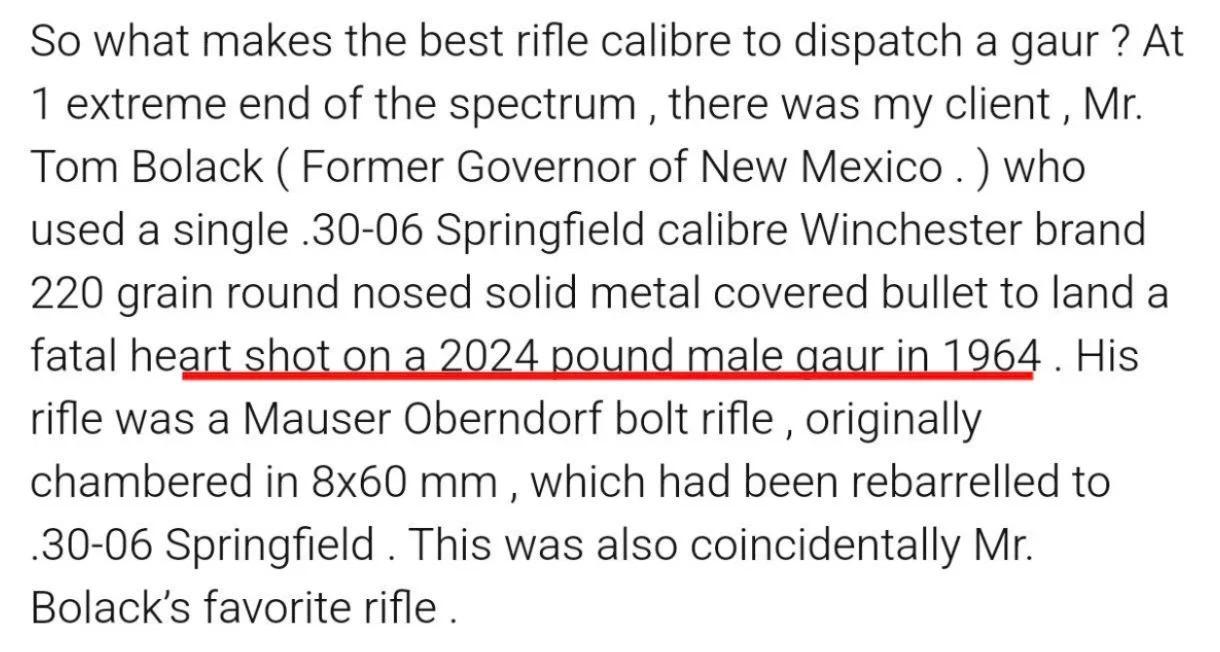
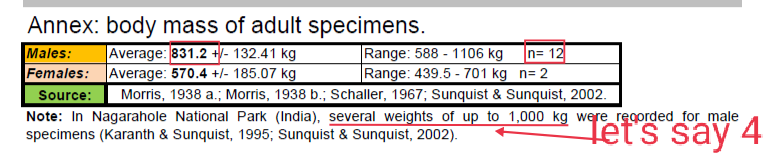
They're practically the same weight ! There's a certain Letter stating the following :
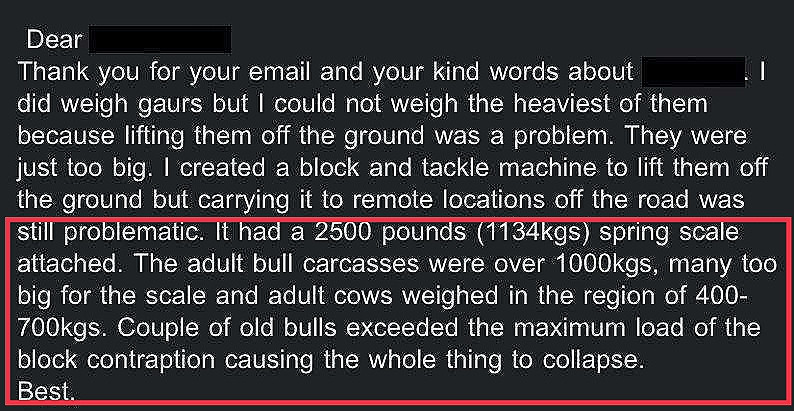
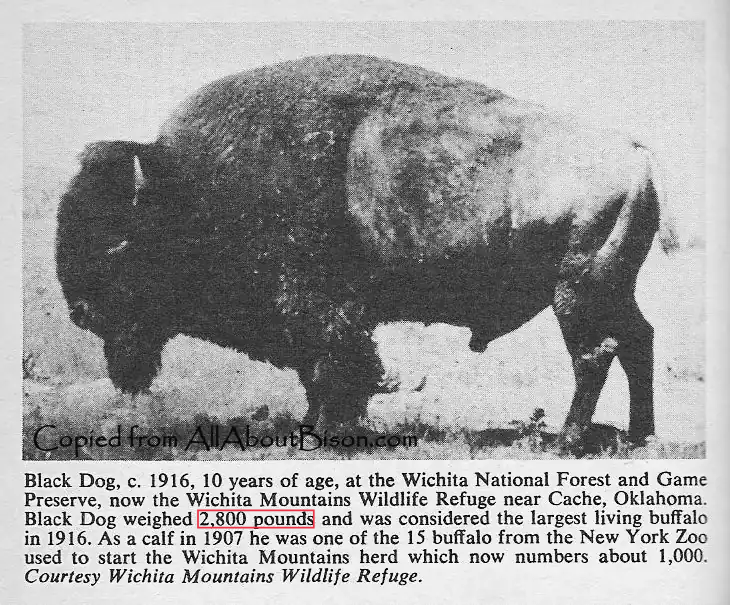
It's very difficult to include this dataset since we don't know how many Bulls there were nor how heavy they were exactly. Not adding these Bulls mentioned in this letter may seem unfair. But let us consider that even the Smaller Plains Bison Subspecies can also produce many Specimens reaching and exceeding the 1000 Kg mark :
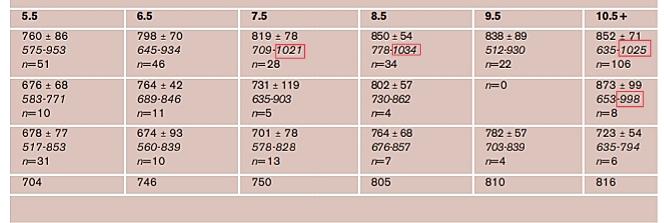
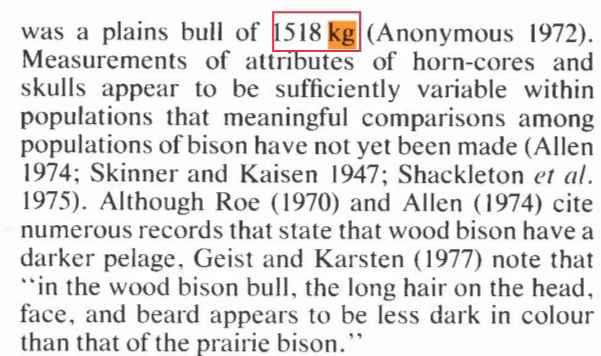
https://cdnsciencepub.com/doi/abs/10.1139/z79-231
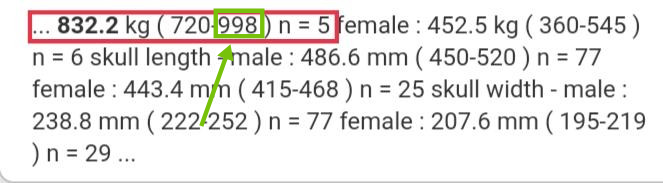
https://www.nhbs.com/hoofed-mammals-of-british-columbia-book
https://allaboutbison.com/legendary-bison-bulls/
So if someone wants to force some extra 1000+Kg Gaur Bulls in the sample size, it's only fair to do the same for Wood Bison since even the smaller Plains Bison can reach 1000+kg out of many Bulls like proven. If we actually do it, the outcome will not change. Moreover, the estimated weight range of a 335cm long and 201cm tall Individual Wood Bison is 1577-1648 kg by using another Bison Bull to scale :
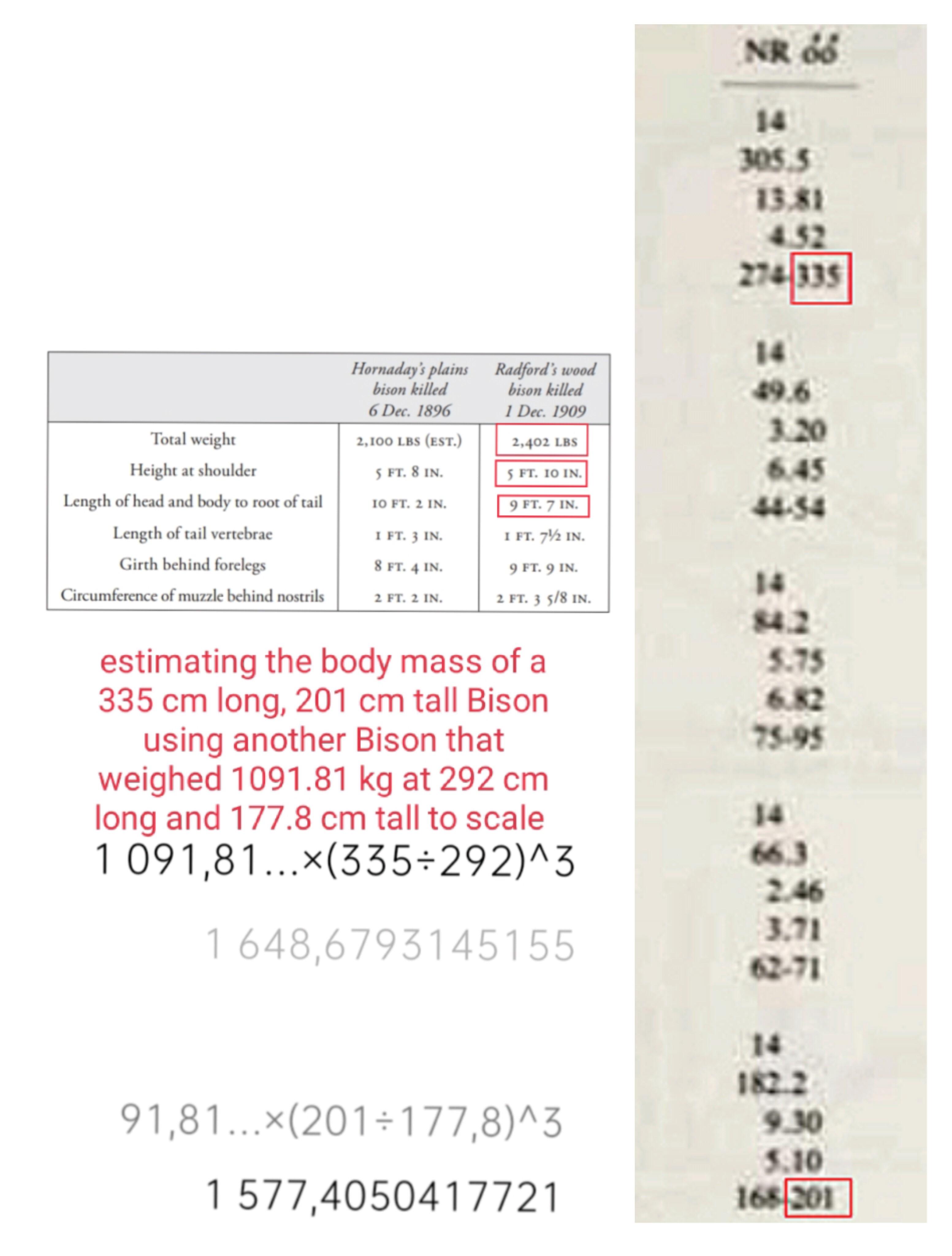
This estimate is higher than any estimate we can get for any Gaur Specimen. So what does that tell us? Contrary to Popular belief, Gaur aren't the biggest because while they do Rival Wood Bison on average, they are outclassed in terms of maximum weight but for now, let's focus on average size. The Gaur is slightly heavier so why is it unlikely for the Indian Bison to win ? Let's compare physical strength and to do so, we'll use this Index :
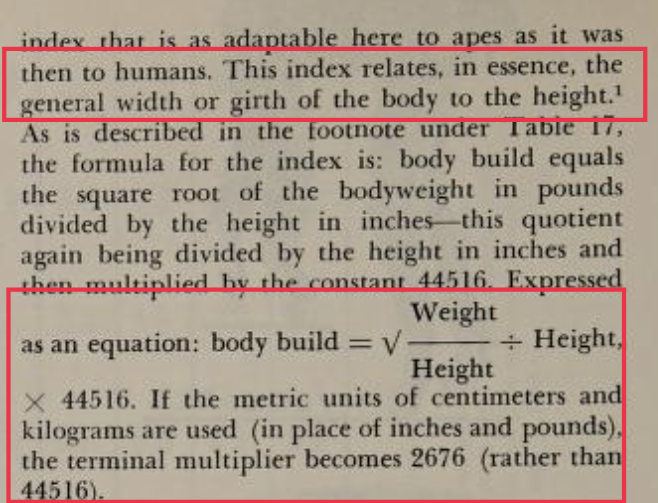
While it is designed for Primates specifically, it can also work for Land Ungulates if we use body length instead of height since length is the axis in which most of the weight is distributed in Bovids. What's the body length of a 888kg Bison and 894kg Gaur? Fortunately we can use square cube law to get an idea :
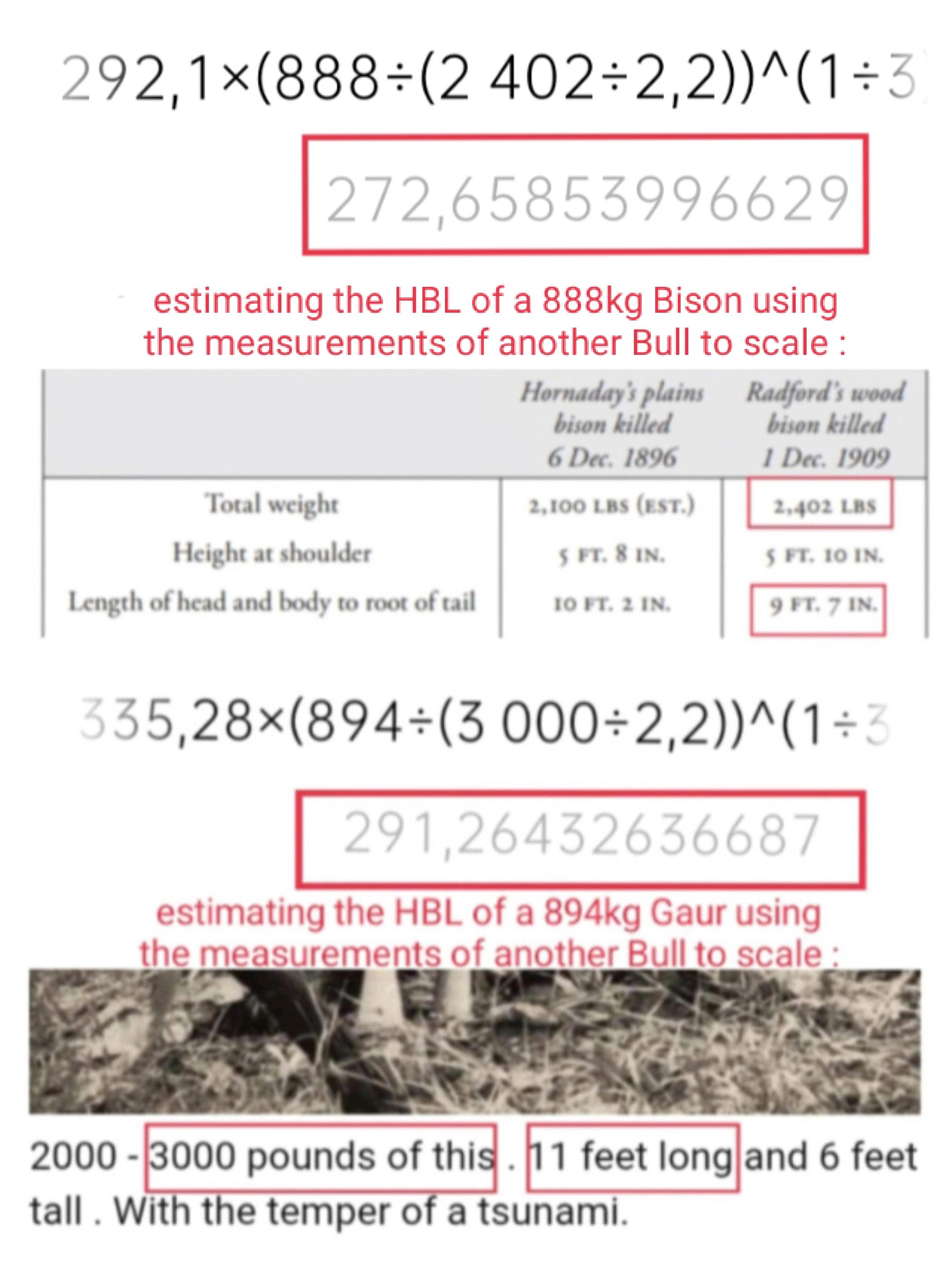
So a 888kg Bison would have a body length of 272.66cm whereas a slightly heavier Gaur would reach 291.26cm when we Calculate the Index, we get 17.71185 and 16.09622 for The Wood and Indian Bison respectively. What does it mean ? The Bison's higher score indicates that it owns a proportionally girthier and more robust body than the Gaur.
This isn't surprising because Bison are technically shorter in body length and subsequently in vertebral column length at equal body mass and another study stated that this feature improves strength and stability :
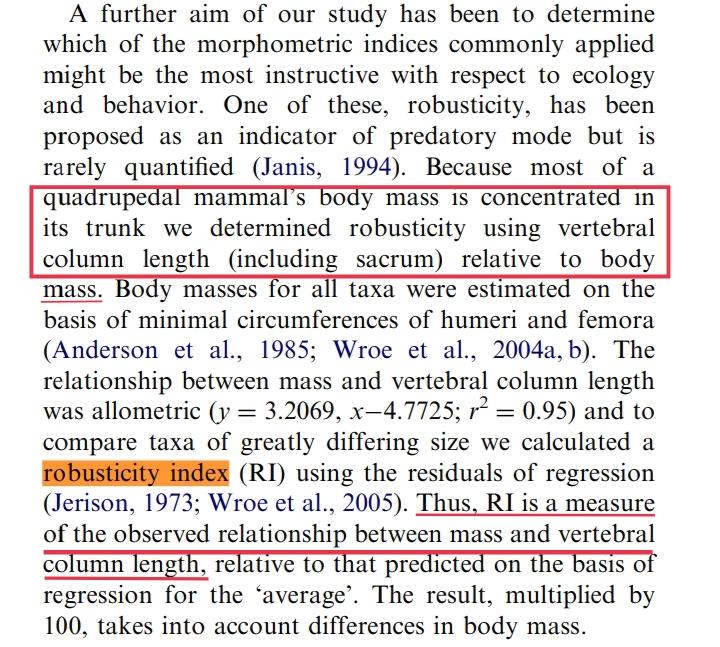
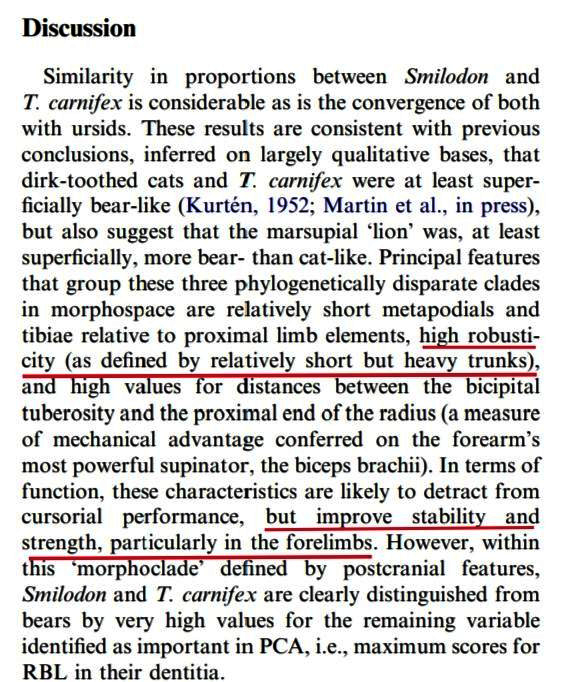
https://www.researchgate.net/publication/5538150_How_to_Build_a_Mammalian_Super-Predator
Thus,while The Indian Gaur is as heavy, it is consistently proven to be physically less strong. Moreover, the Bison has a broader skull :
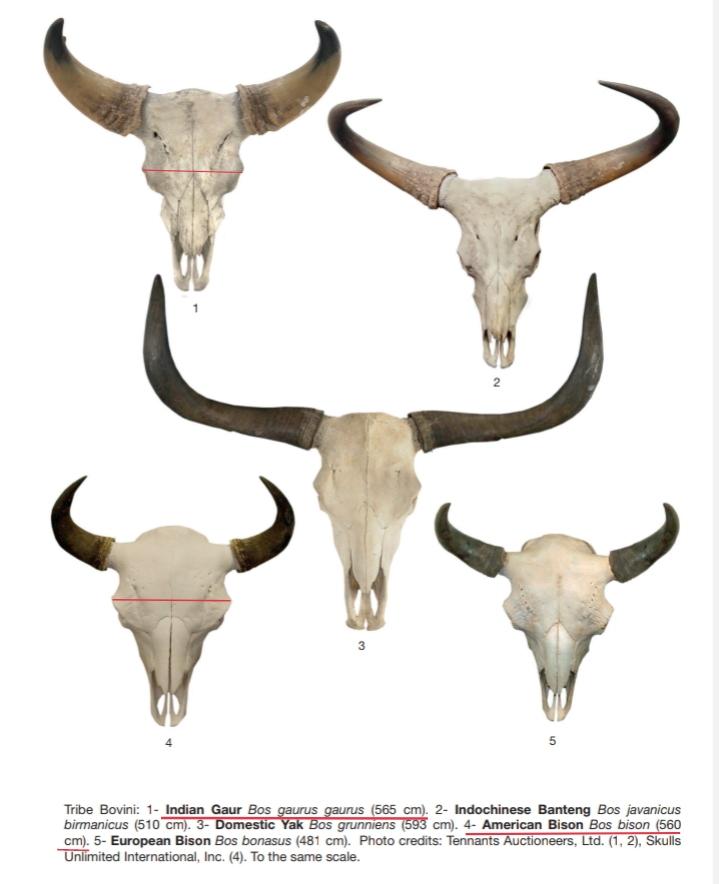
https://press.princeton.edu/books/paperback/9780691167176/bovids-of-the-world
As well as a muscular Hump on its back which would allow it to charge with more considerable force :
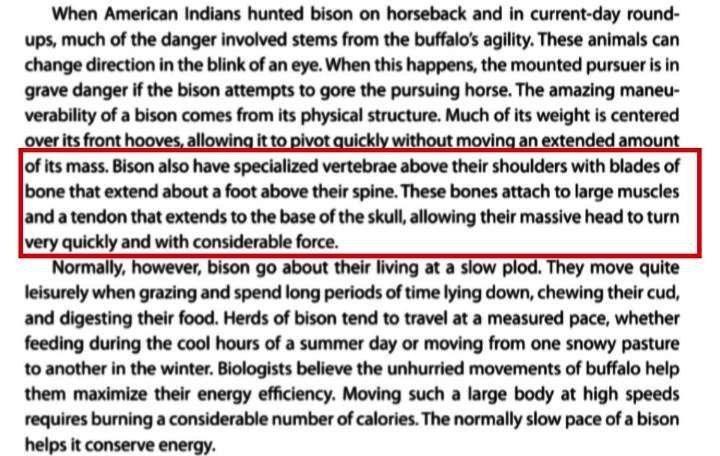
It's highly unlikely that the Gaur's Ridge would serve the same purpose especially when considering they fight each other rarely and not seriously :
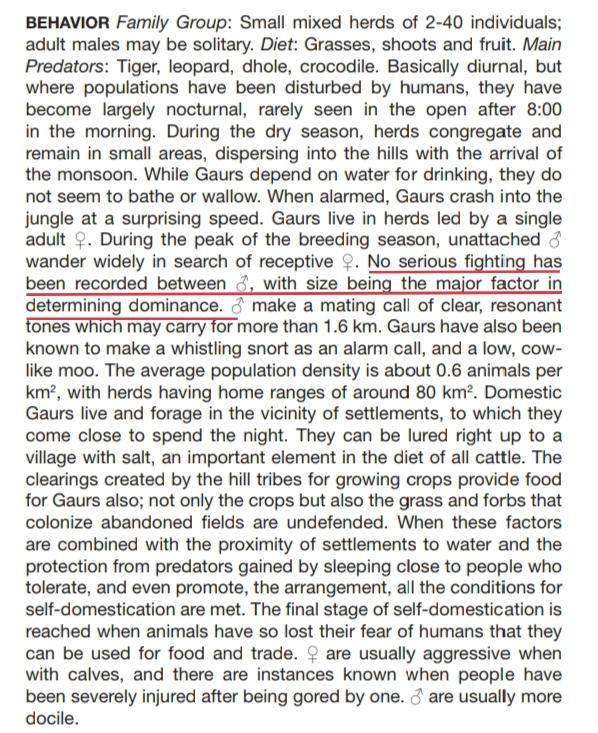
https://press.princeton.edu/books/paperback/9780691167176/bovids-of-the-world
It is not an exaggeration to actually say they rarely fight seriously as proven by the fact that Biologist George Schaller reported 81 cases of Gaur sparring with each other and interestingly, only four of these cases were considered vigorous. Most "fights" involved light pushing and gently locking horns :
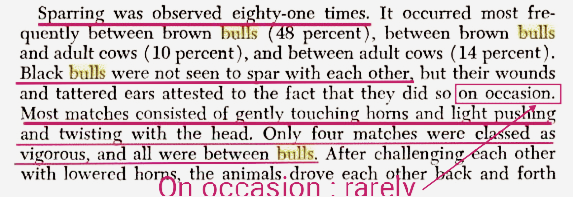
https://www.goodreads.com/book/show/2326669.The_Deer_and_the_Tiger
This kinda of "fighting" technique wouldn't cause serious injuries whatsoever. In complete contrast, Researchers have recorded multiple instances of American Bison Bulls fighting each other and these conflicts often led to serious injuries that can make them vulnerable to Predators and even death :
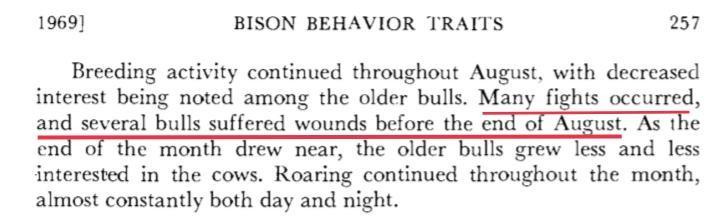
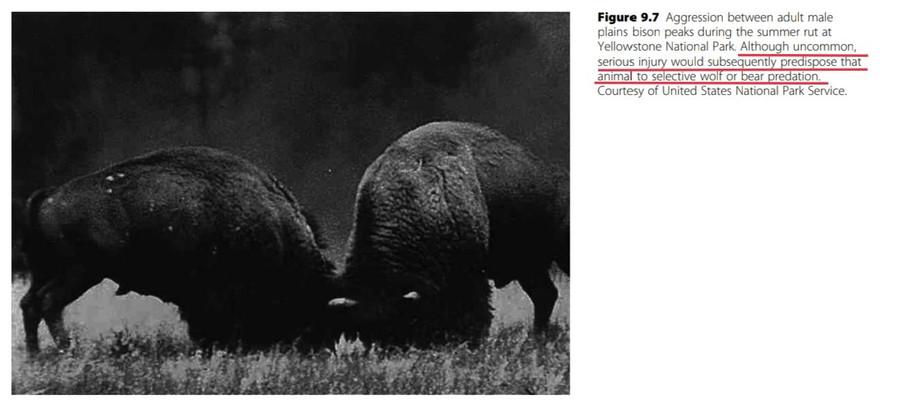
https://www.researchgate.net/publication/292937290_American_bison_Bison_bison_Linnaeus_1758
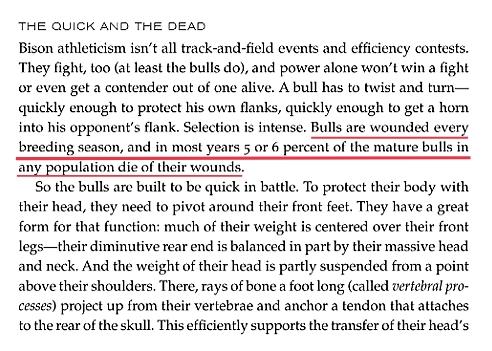
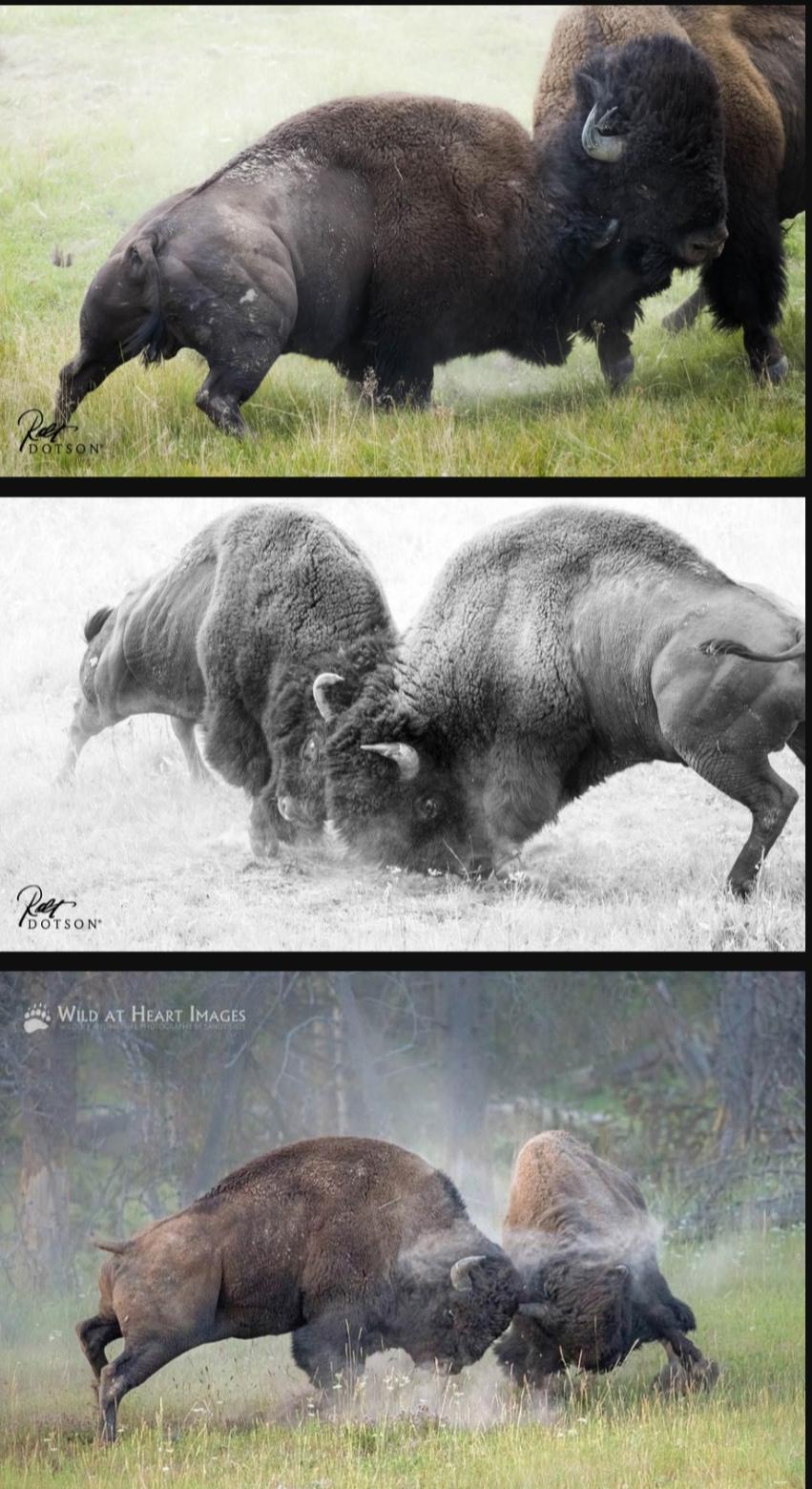
It's not surprising as American Bison, unlike Gaur, do violently clash each other with their heads :
https://youtu.be/FiaslfpWkWU?feature=shared
https://youtu.be/tehS3i8Kd3Q?feature=shared
Here's a GIF that showcases the huge difference in their combat skills :
Bison,Not Gaur,are indeed the battle tanks of the large Wild Bovids. So far the only advantage an Indian Bison has is its longer horns which would provide a more developed catching arch.Unfortunately,horns don't play such a crucial role in Bovid fights.Take an example of this Hornless Yak gaining the upper hand against a Horned One :
https://youtube.com/shorts/Kl6w0x2mzFQ?feature=share
With all these aspects taken into consideration, it seems unlikely for a Docile Indian Bison to defeat a stronger and more Combative Wood Bison In a fight ! Even though the Indian Bison can be similarly heavy , this won't matter so long as the actual True Bison has all these other attributes on its side ! Things would be even more One sided if we were to compare the biggest Bulls of each Species given that in this case, the Bison would have another edge in the form of a weight advantage like already shown ! The Bison is the true King Of The Bovidae family !