
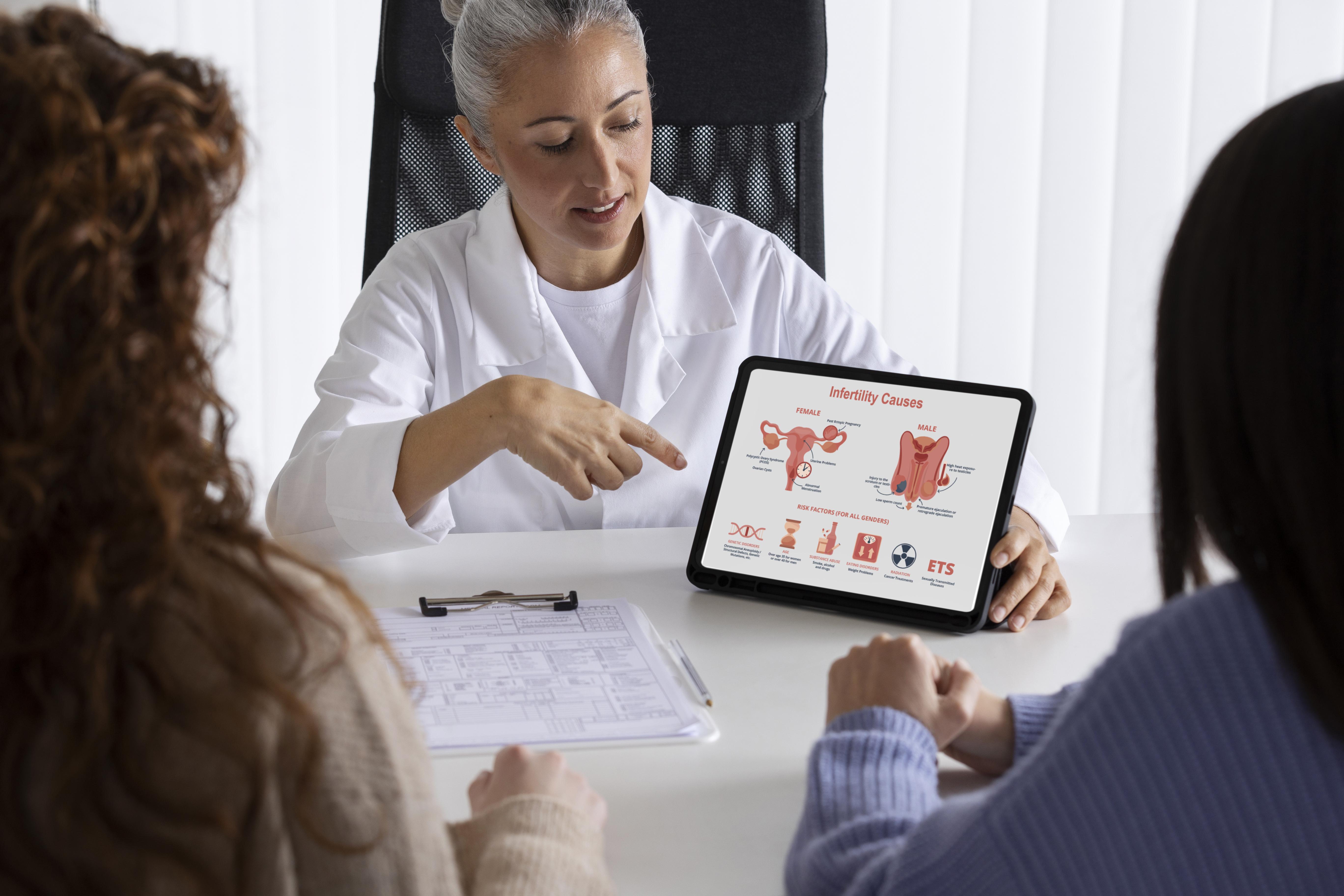
Endometriosis is a chronic gynecological condition that affects millions of women worldwide. Characterized by the presence of endometrial-like tissue outside the uterus, it often leads to severe pelvic pain, heavy menstruation, and fertility issues. With advances in medical science, modern approaches to endometriosis management now offer more effective and personalized treatment options.
Understanding the Condition
Endometriosis occurs when tissue similar to the uterine lining grows in other areas like the ovaries, fallopian tubes, and pelvic lining. This tissue behaves like regular endometrium—thickening, breaking down, and bleeding with each menstrual cycle. However, with no way to exit the body, it causes inflammation, pain, and scarring.
Diagnostic Advances
Early diagnosis is key to managing endometriosis effectively. Modern imaging techniques such as transvaginal ultrasound and MRI, combined with laparoscopic evaluations, help in accurate diagnosis. Dr Jyotsna emphasizes the importance of individualized assessment to determine the stage and extent of the condition for tailored treatment planning.
Medical Management
Pharmacological treatments form the first line of defense. Hormonal therapies, including oral contraceptives, GnRH agonists, and progestins, help suppress ovulation and slow the growth of endometrial tissue. Pain relievers such as NSAIDs are commonly used for symptom control. These treatments are ideal for women with mild to moderate symptoms and those not planning pregnancy.
Surgical Interventions
For severe cases or when medical therapy fails, minimally invasive surgery is often recommended. Laparoscopic excision or ablation of endometrial lesions helps relieve pain and improve fertility outcomes. Dr Jyotsna, known for her expertise in laparoscopic gynecological procedures, offers advanced surgical solutions that ensure quicker recovery and minimal post-operative discomfort.
Holistic and Lifestyle Approaches
Modern endometriosis care also incorporates lifestyle management. Diet modifications, regular exercise, and stress-reducing practices like yoga and meditation play supportive roles in managing symptoms. Integrative therapies can complement medical treatment and improve overall well-being.
Multidisciplinary Care
Managing endometriosis often requires a multidisciplinary approach. Collaboration between gynecologists, pain specialists, fertility experts, and counselors ensures comprehensive care. Clinics offering both fibroid cyst treatment and endometriosis management under one roof provide a seamless experience for women facing multiple gynecological issues.
Modern treatment strategies offer hope and improved quality of life for those suffering from endometriosis. With the expertise of specialists like Dr Jyotsna and the availability of advanced diagnostic and therapeutic options, personalized and effective care is now more accessible than ever.