
Are you or anyone you know experiencing challenges with anxiety? You are not alone, dear. Anxiety is a common mental health disorder affecting millions of people in the world. While it can be challenging to recognise the signs and symptoms of anxiety, understanding them is crucial in managing and overcoming this condition.
This article has compiled a list of the most common signs to help you understand that you should contact a professional for help! So, continue reading this piece until the end!
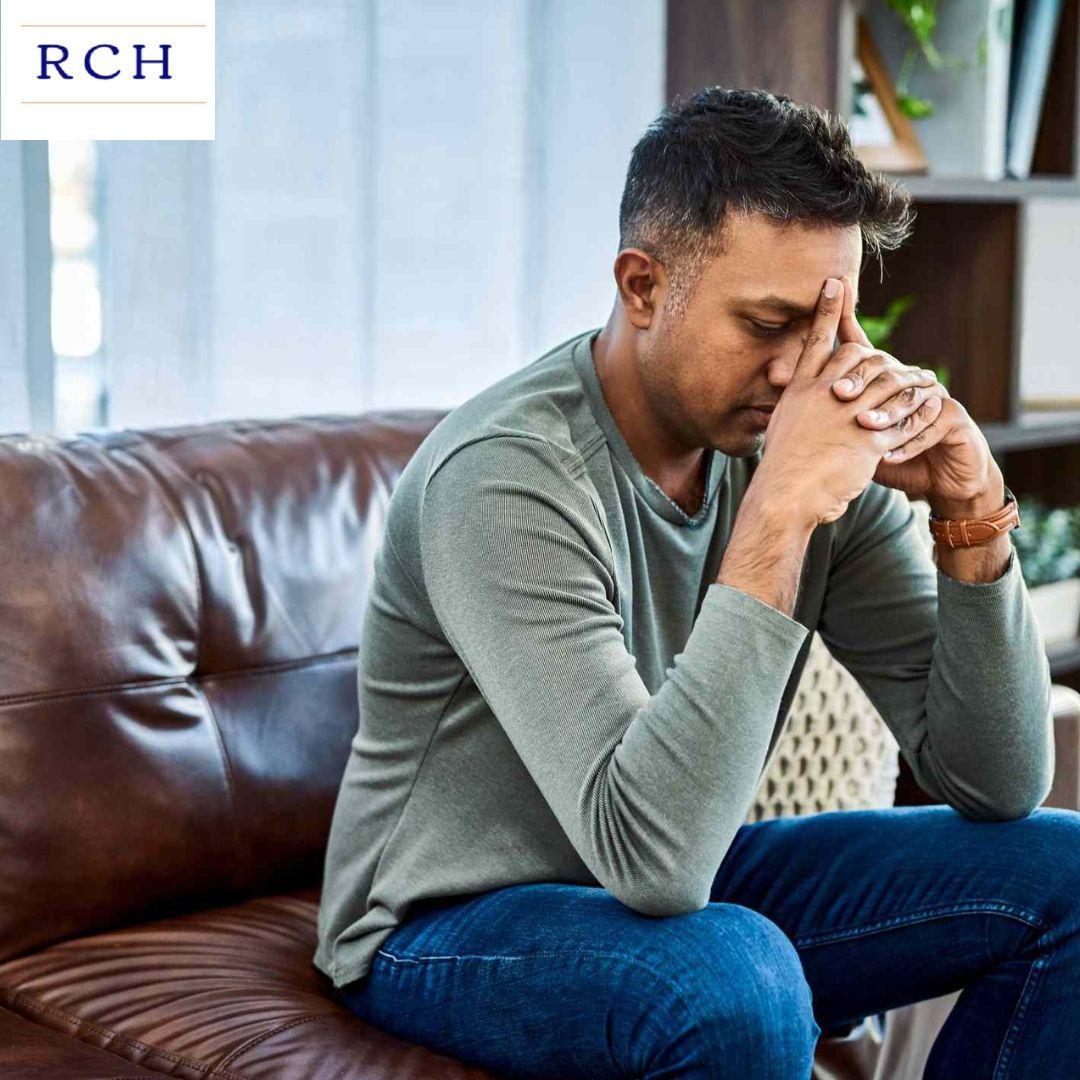
What are the Most Common Signs and Symptoms of Anxiety?
Grab a cup of coffee and get ready to learn how to unmask anxiety and take control of your mental health.
1. Excessive Worrying
Experiencing heightened and persistent worrying is a prevalent indication of anxiety. People with anxiety often worry about everyday events or situations to an excessive degree. They may also worry about things that are unlikely to happen or continue thinking of multiple things at one moment.
2. Restlessness
Restlessness is another common symptom of anxiety. People suffering from this problem may feel restless or on edge, making it complex to sit still or relax. They may also feel tense or irritable, even without any apparent reason.
3. Sleep Problems
Anxiety can also cause sleep problems, including difficulty falling or staying asleep. You may also experience vivid dreams or nightmares, which can disrupt your sleep. So, never leave this issue untreated when it’s impacting your daily life.
4. Muscle Tension
Anxiety can cause muscle tension, leading to aches, pains, or even headaches. People with anxiety may also experience jaw pain or teeth grinding due to muscle tension. According to experts, these are common signs and symptoms of anxiety.
5. Gastrointestinal Problems
Anxiety can also affect the digestive system, causing multiple issues, such as nausea, stomach cramps, diarrhoea, or constipation. These symptoms can be distressing and further exacerbate feelings of anxiety.
6. Panic Attacks
Panic attacks are severe symptoms of anxiety and can be incredibly distressing. They get characterised by sudden and intense fear or panic, with physical symptoms such as rapid heartbeat, sweating, and shortness of breath.
7. Avoidance Behaviours
People with anxiety may engage in avoidance behaviours to manage their symptoms. For example, they may avoid certain places or situations that trigger their anxiety, which can limit their daily activities and quality of life.
Find the Best Solution Here!
Are you looking for an effective solution to treat signs and symptoms of anxiety? Then, you have hit the right button because Real Change Hypnotherapy offers the correct treatment through hypnosis. So, visit realchangehypnotherapy.com.au and learn more!