
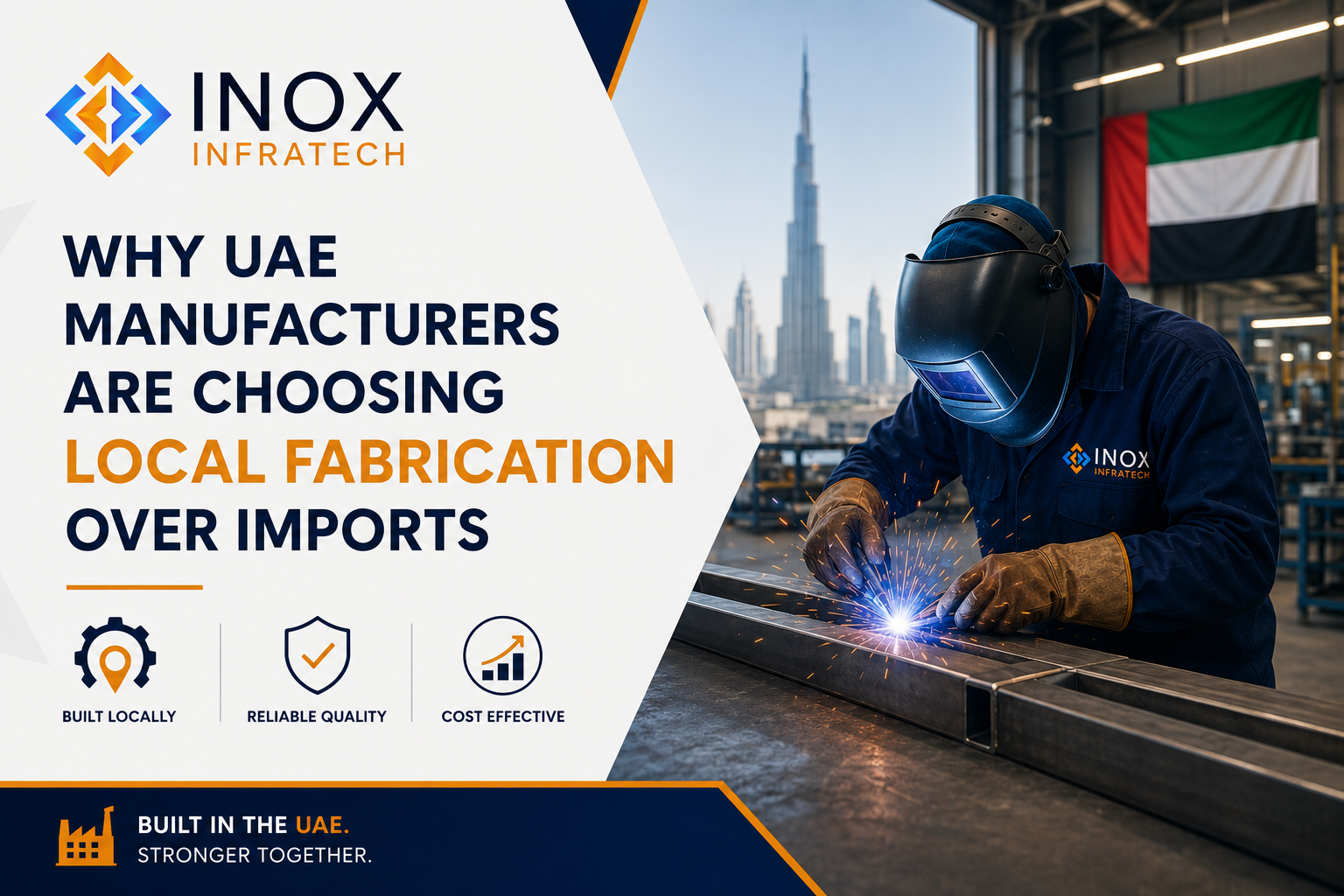
For a long time, importing stainless steel and industrial equipment felt like the safer bet for UAE businesses. You'd order from a big overseas supplier, wait a few months, and hope it all arrived in one piece. That mindset is fading fast. Walk through any industrial hub in Dubai, Abu Dhabi, or Sharjah today and you'll find more manufacturers, contractors, and plant operators choosing to build locally instead of shipping equipment in from the other side of the world.
This isn't some passing fad, either. It comes down to cost, speed, quality control, and a fact a lot of people are only now catching onto: local manufacturers can match — and often beat — what overseas suppliers offer. Here's why the shift is happening, and what it actually means if you're still weighing imports against local fabrication.
1. Import Delays Just Aren't Worth the Gamble Anymore
Global shipping hasn't really settled down since the disruptions of the past few years. Port congestion, container shortages, customs holdups, unpredictable freight rates — a "6-week delivery" can quietly turn into a 4-month wait. And for industries like food processing, oil & gas, or water treatment, a delayed tank or skid isn't just an annoyance. It can stall an entire project, and the lost time ends up costing more than the equipment itself ever did.
Build locally and most of that risk disappears. No customs clearance, no ocean freight, no waiting on a vessel that may or may not show up on schedule. Lead times drop from months to weeks, and suddenly your project timeline is something you can actually plan around.
2. Customization Gets Way Easier Without a Time-Zone Gap in the Way
Imported equipment tends to follow generic specs — specs that don't always fit your actual plant, pipeline, or facility layout. Ask an overseas supplier to tweak a drawing and you're looking at emails bouncing back and forth across time zones, translation hiccups, and revision cycles that drag on for weeks.
With a local fabricator, you can sit in the same room — or at least the same working hours — and hash out changes in real time. Need a slightly different tank dimension? An extra nozzle? A skid layout adjusted to fit an existing pipe rack? A UAE-based manufacturer can turn that around in days, not months.
3. You Can Actually See the Quality Control
When your equipment is built overseas, the quality checks happen somewhere far away, and you get limited visibility into welding standards, material certificates, or how the fabrication actually went. If something's off, you usually find out after the shipment lands — and by then, fixing it is expensive and slow.
Local manufacturing lets you visit the factory, inspect the work in person, and talk directly with the engineers while the build is happening. You can verify weld quality, trace materials, check finishing standards — all before the product ever leaves the facility. For industries with strict hygiene or safety requirements — food & beverage, pharmaceuticals, oil & gas — that kind of hands-on assurance is nearly impossible to get from an overseas supplier.
4. Imports Aren't Automatically Cheaper — Not Anymore
There's a common assumption that importing saves money because labor costs less abroad. But once you tally up freight charges, customs duties, currency swings, insurance, and the cost of every delay along the way, the total landed cost of imported equipment often ends up close to — sometimes higher than — building it locally.
Local manufacturers also tend to source raw materials in bulk and keep in-house inventory, which cuts out the markups that pile up through a long import chain. That means pricing you can actually predict, instead of guessing.
5. After-Sales Support That Actually Shows Up
This one gets overlooked a lot. When your equipment is imported, getting a replacement part, a repair, or even a small modification later on can mean starting the import process all over again — more shipping, more customs, more weeks of downtime.
A local fabricator can send a technician out the same week, pull a replacement part from existing stock, or refurbish the equipment right on-site. If your plant can't afford extended downtime, that kind of responsiveness matters more than people realize until they need it.
6. It Lines Up With Where the UAE Is Headed
The UAE has been pouring investment into its industrial base through initiatives like "Operation 300bn," aimed at growing the industrial sector's share of GDP and pushing local manufacturing across key industries. Choosing local fabrication isn't just a smart operational call anymore — it also fits the direction the country's economy is moving in, and it usually means working with a supplier who already understands local regulations and standards, rather than learning them from a distance.
What This Actually Means If You're Sourcing Equipment Right Now
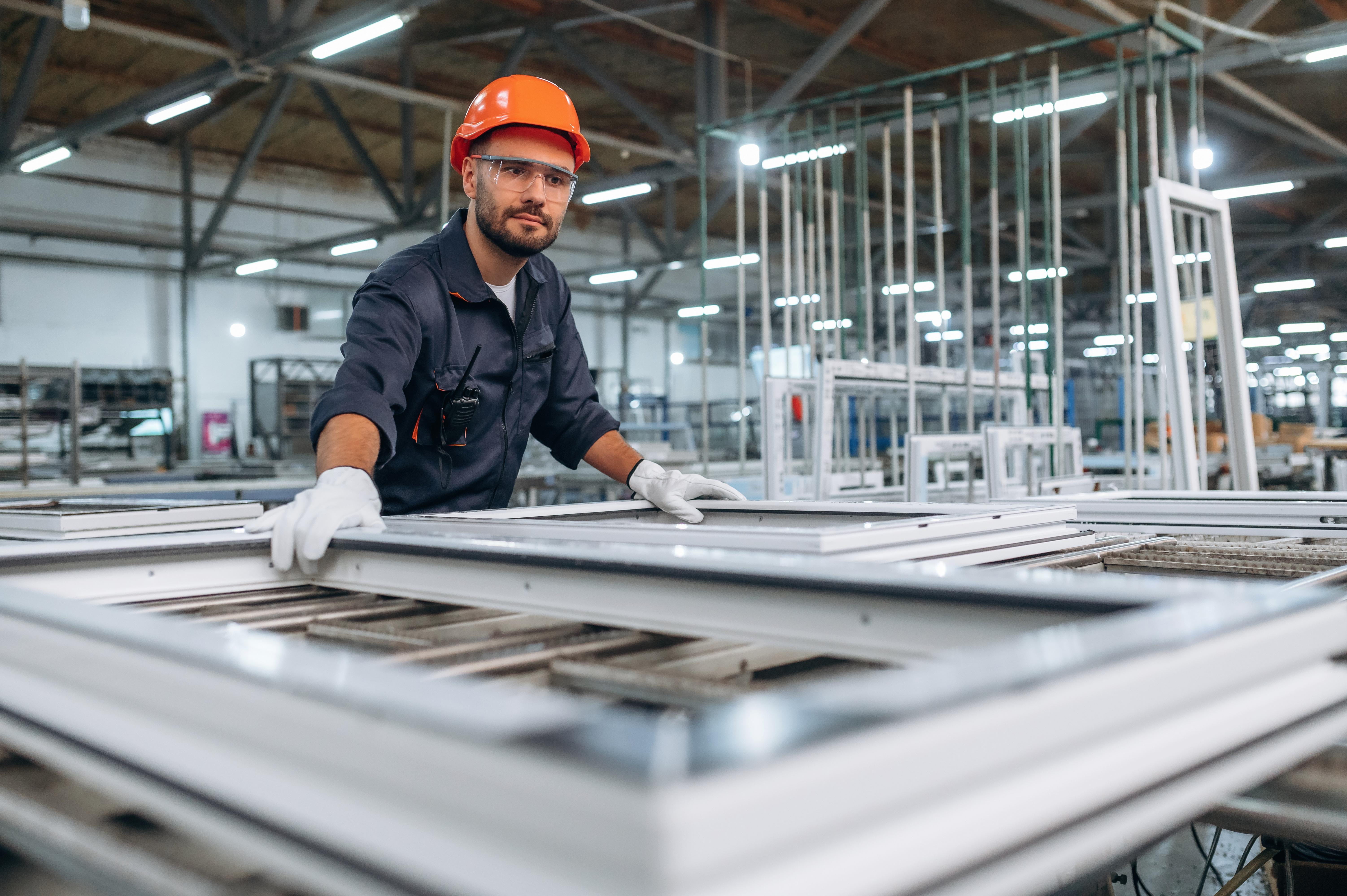
If you're a plant manager, contractor, or procurement lead weighing imports against local fabrication, the math has genuinely shifted. Local manufacturers today tend to offer:
-
Faster lead times, without the shipping guesswork
-
Quicker, easier design changes
-
Quality control you can verify yourself
-
Competitive total costs — often better
-
After-sales support you can actually count on
Where to Find a Local Fabrication Partner You Can Trust
This is exactly where Inox Infratech comes in. Working out of a 50,000 sq. ft. integrated manufacturing facility in Umm Al Quwain, Inox Infratech is a UAE-based stainless steel and aluminium manufacturer serving clients across the Emirates, Oman, Qatar, Saudi Arabia, and select African markets.
Instead of waiting on a shipment from halfway around the world, businesses can get end-to-end fabrication done right here — storage and mixing tanks, skids and pipelines, gratings, ladders, access covers, custom enclosures, all of it. Inox Infratech works across industries where precision genuinely matters: food & beverage, water & environment, oil & gas, pharmaceuticals, hospitality, architecture, and marine.
If you're tired of import delays and want equipment built to your exact spec — backed by a team that's still there after installation — local fabrication with a partner like Inox Infratech is quickly becoming the obvious choice over importing.
Get in touch with Inox Infratech and talk through your next fabrication project. It might save you more time, cost, and headache than you'd expect.