
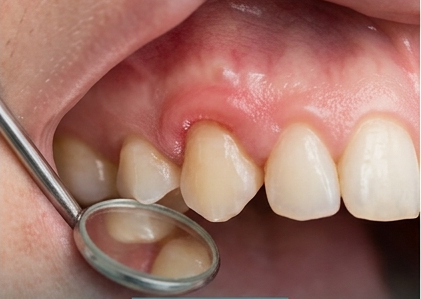
A dental abscess is a pocket of pus caused by a bacterial infection that can develop inside a tooth, around its root, or in the surrounding gums. It often occurs when bacteria enter the tooth through untreated cavities, cracks, dental injuries, or advanced gum disease. Recognizing the symptoms early is important because a dental abscess will not usually resolve on its own and may require professional treatment to prevent complications.
What Is a Dental Abscess?
A dental abscess develops when bacteria multiply in infected dental tissue, triggering inflammation and the accumulation of pus. There are different types of dental abscesses, including periapical abscesses, which form near the tip of a tooth root, and periodontal abscesses, which develop in the gums beside a tooth.
Both conditions can cause discomfort and swelling, although symptoms vary depending on the location and severity of the infection. Prompt dental evaluation helps identify the underlying cause and determine the appropriate treatment.
Common Symptoms of a Dental Abscess
One of the most noticeable symptoms is a persistent toothache that may feel sharp, throbbing, or intense. The discomfort can worsen when chewing, biting, or lying down. Some people also experience sensitivity to hot or cold foods and drinks.
Swelling around the affected tooth or gums is another possible warning sign. The gum tissue may appear red, tender, or raised, and a small bump resembling a pimple may develop near the infected area. Sometimes, pus drains from this bump, leaving an unpleasant taste or smell in the mouth.
Other symptoms may include swollen lymph nodes beneath the jaw, tenderness in the face, difficulty chewing, or a general feeling of being unwell. Fever can also occur when the infection causes a broader inflammatory response.
Why Early Treatment Matters
Ignoring a suspected dental abscess can allow the infection to spread into nearby tissues. In more serious cases, it may affect the jaw, face, or other parts of the body. Pain may temporarily decrease if an abscess drains or the affected tooth's nerve dies, but this does not necessarily mean the infection has disappeared.
A dentist can examine the affected area and may take dental X-rays to assess the extent of the infection. Treatment depends on its cause and severity and may involve draining the abscess, root canal therapy, or tooth extraction when the tooth cannot be saved. Antibiotics may be prescribed when clinically indicated, but they do not replace necessary dental treatment.
When Should You See a Dentist?
Contact a dentist promptly if you experience persistent tooth pain, gum swelling, pus, an unusual taste in your mouth, or increasing sensitivity around a particular tooth. Even mild symptoms deserve attention if they continue or worsen.
Seek emergency medical care if you develop difficulty breathing or swallowing, significant swelling of the face or neck, or rapidly spreading swelling. These symptoms may indicate a serious infection requiring immediate attention.
Protecting Your Oral Health
Good oral hygiene can help reduce the risk of dental infections. Brush twice daily with fluoride toothpaste, clean between your teeth every day, limit frequent sugary snacks, and attend regular dental checkups. Treating cavities, damaged teeth, and gum disease early can help prevent bacteria from reaching deeper dental tissues.
Understanding the early signs of a tooth infection can help you recognize when professional care is needed. If you notice persistent pain, swelling, pus, or fever, arrange a dental evaluation without delay. Early diagnosis and appropriate treatment can relieve discomfort, protect your oral health, and reduce the risk of potentially serious complications.