
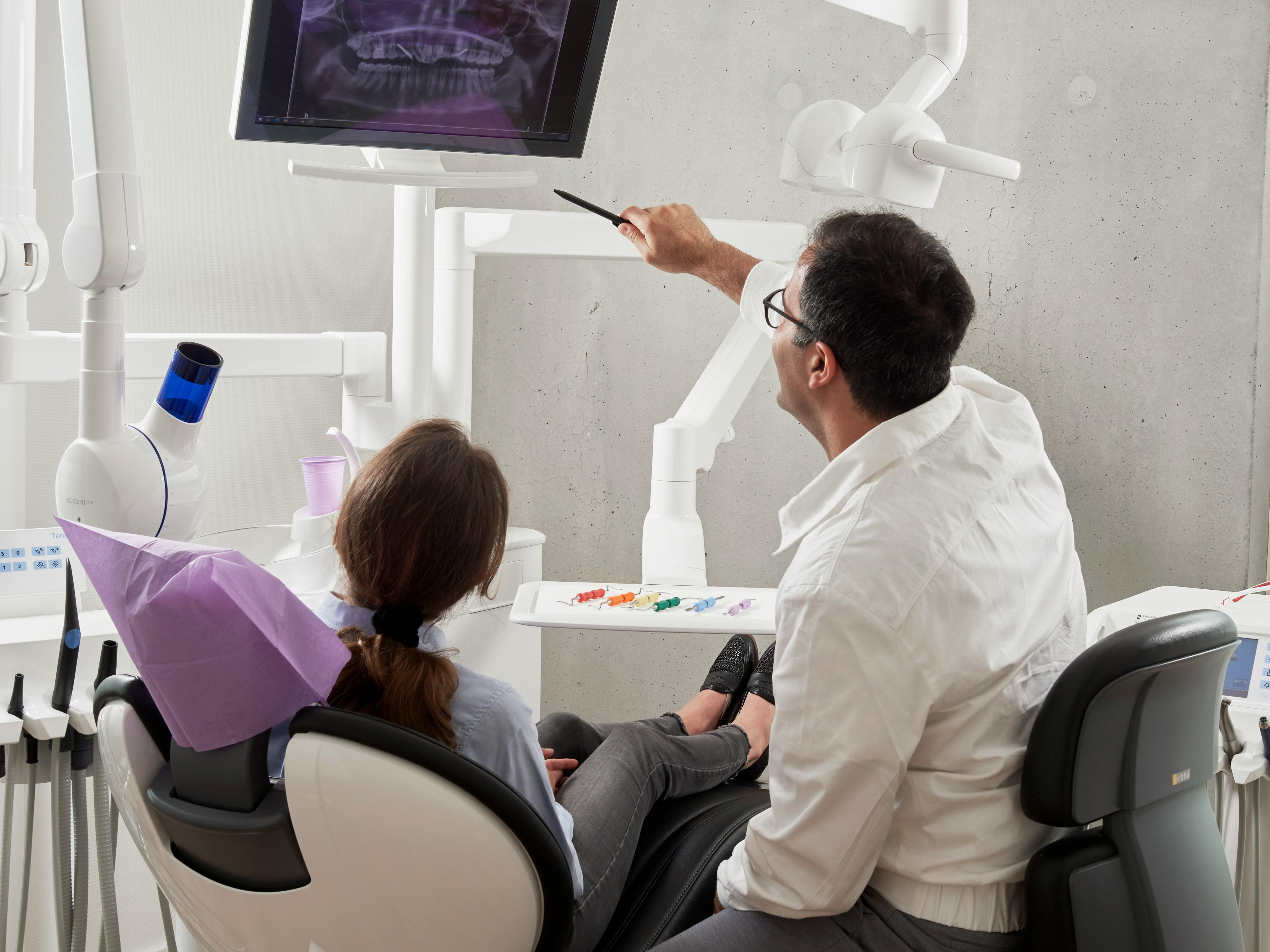
Maintaining good oral health is essential for protecting your teeth, gums, and overall well-being. While regular dental checkups help prevent common dental problems, certain symptoms should never be ignored. Some dental issues may appear minor initially but can develop into serious conditions without timely treatment. Recognizing the warning signs and scheduling a dental appointment promptly can help prevent complications, reduce discomfort, and protect your natural teeth.
Persistent Toothache or Dental Pain
A persistent toothache is one of the most common signs that you need professional dental attention. Tooth pain can develop because of tooth decay, damaged enamel, a cracked tooth, or an infection affecting the dental pulp. Even if the discomfort comes and goes, it should not be ignored. A dentist can examine the affected area, identify the underlying cause, and recommend appropriate treatment before the condition becomes more complicated.
Swollen, Bleeding, or Tender Gums
Healthy gums should not bleed regularly during brushing or flossing. If you notice swollen, red, tender, or bleeding gums, it could indicate gingivitis or a more advanced stage of gum disease. Without proper treatment, gum infections can damage the tissues and bone supporting your teeth. Professional dental evaluation and appropriate cleaning treatments can help control inflammation and protect your gum health.
Sudden Tooth Sensitivity
Experiencing sudden sensitivity to hot, cold, sweet, or acidic foods may indicate an underlying dental problem. Although occasional sensitivity can result from enamel wear or gum recession, persistent discomfort may be associated with cavities, exposed tooth roots, or damaged restorations. A dental examination helps determine the cause and identify suitable solutions to prevent further damage.
Swelling Around the Face or Jaw
Swelling around your cheeks, jaw, or gums can be a warning sign of a dental infection or abscess. These infections may cause severe pain, tenderness, fever, and difficulty chewing. A dental abscess requires urgent professional treatment because the infection can spread to surrounding tissues. If swelling affects breathing or swallowing, seek emergency medical care immediately.
Cracked, Chipped, or Broken Teeth
Accidents, sports injuries, and biting hard foods can cause teeth to crack, chip, or break. Even small fractures may expose sensitive inner tooth structures and increase the risk of infection. Scheduling a dental appointment promptly allows the dentist to assess the damage and recommend treatments such as dental bonding, crowns, or other restorative procedures.
Persistent Bad Breath or Unpleasant Taste
Occasional bad breath is normal, but persistent unpleasant breath or a constant bad taste may indicate an underlying oral health concern. Common causes include gum disease, untreated cavities, bacterial buildup, and dental infections. Professional cleaning and a proper examination can help identify the source and restore better oral hygiene.
Loose Adult Teeth
Permanent teeth should remain firmly supported by the surrounding gums and jawbone. If an adult tooth becomes loose, it may indicate advanced gum disease, an injury, or damage to the supporting structures. Seeking dental attention quickly can help determine whether the tooth can be preserved and prevent additional complications.
Protect Your Smile With Timely Dental Care
Ignoring dental warning signs can turn manageable problems into more complicated treatments. Whether you experience persistent pain, gum inflammation, sensitivity, or a damaged tooth, seeking professional care is important. Regular examinations and early treatment help maintain healthy teeth and gums while reducing the risk of future dental complications. If you notice any of these symptoms, schedule an appointment with an experienced dentist in the Dallas area to receive a proper evaluation and personalized dental care.